 Bellingham Siding
 Windows Take a Beating in the Puget Area
Homes in the Puget area near Bellingham sit in one of the more demanding window environments in Whatcom County. You've got salt-laden air drifting in off the water, driving rain that comes in sideways during winter storms, and a moss season that stretches long enough to keep north-facing trim damp for months at a time. None of that is a problem a window has to lose to — but it is a problem that separates a window installed correctly from one that was just set into an opening and caulked around the edges.
We install windows across Bellingham and the surrounding Whatcom County area, and the Puget-area jobs are usually the ones where corner-cutting shows up fastest. A window that would coast along fine in a drier inland climate can start failing here in a few seasons if the flashing, sealing, and drainage details weren't done right the first time. This page is about what that "done right" actually looks like, and why it matters more here than in most places.
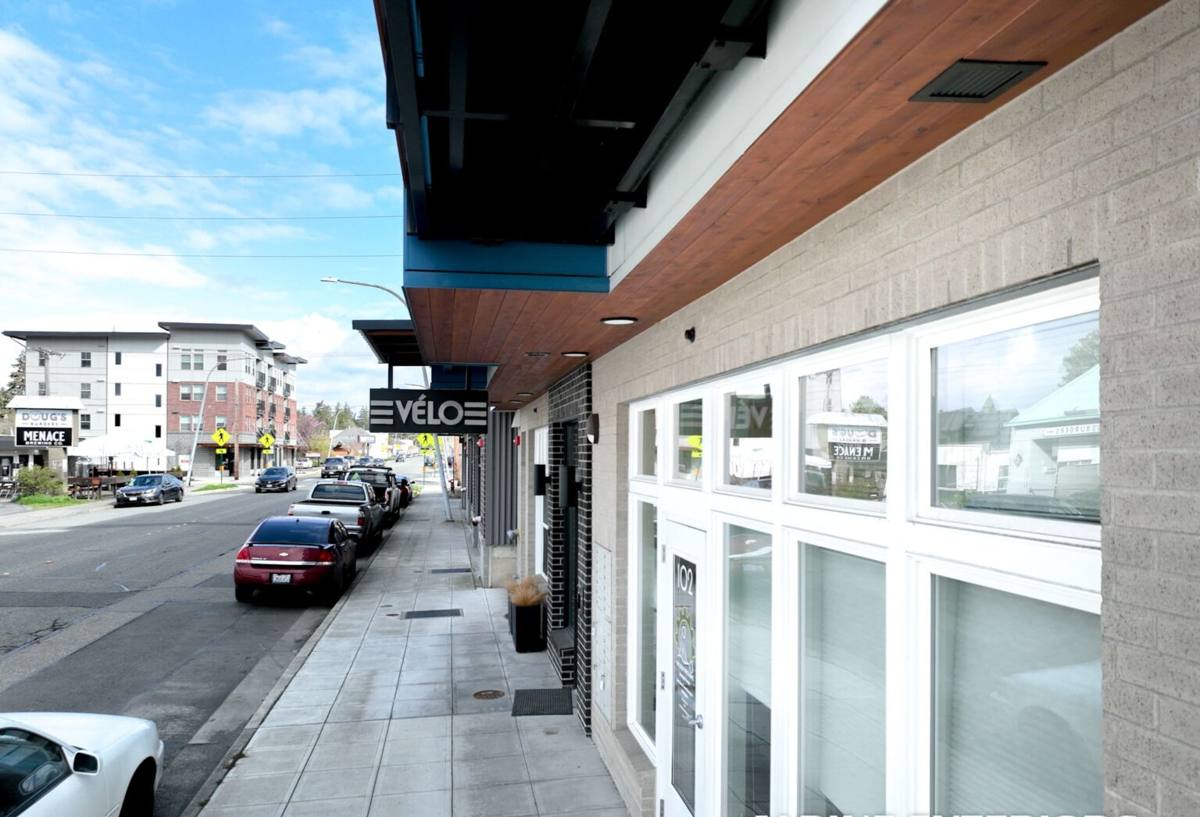
What This Climate Does to a Window Opening
Salt Air and Metal Fatigue
Salt air accelerates corrosion on window hardware, screws, and any exposed metal flashing that isn't rated for coastal exposure. Locks stiffen, hinges pit, and cheaper fasteners can start rusting from the inside out — which you often don't see until a window won't latch properly or a stain starts bleeding through the exterior finish.
Driving, Wind-Driven Rain
A lot of window failures aren't about rain hitting the glass — they're about rain hitting the wall at an angle and finding the seams around the frame. Wind-driven rain pushes water sideways and even slightly upward under some conditions, which means a window that only has passive caulk protection at the sill or head flashing is vulnerable in exactly the kind of weather Bellingham sees regularly in fall and winter.
Moss, Moisture, and Wood Rot
Whatcom County's damp, shaded conditions are ideal for moss and algae growth on north- and west-facing exterior surfaces. Moss holds moisture against wood trim and sheathing far longer than open air would, which is exactly the environment that causes hidden rot around window openings — often starting at the bottom corners of the sill, where water naturally collects.
Signs a Puget-Area Home's Windows Need Attention
Because a lot of window failure here happens behind the trim, it's worth knowing the early warning signs before they turn into a bigger repair:
- Fogging or condensation between the panes of a double- or triple-pane window (a sign the seal has failed)
- Soft or spongy wood trim around the window frame, especially at the bottom corners
- Paint that's bubbling, peeling, or discoloring specifically around the window perimeter rather than the whole wall
- Visible moss or dark staining building up on the sill or casing
- Drafts you can feel near the frame on a windy day, even with the window fully closed and locked
- Difficulty locking or latching the window, or hardware that feels gritty or corroded
Any one of these on its own isn't necessarily an emergency, but they're all reasons to have the window looked at rather than just repainting over the symptom.
What a Correct Window Installation Actually Involves
The window unit itself is only part of the job. In a climate like this, the installation details around the window are what determine whether it holds up for the long haul.
Sill Pan Flashing
A proper installation includes a sill pan — a flashing detail at the bottom of the rough opening that's sloped and sealed so that any water that does get past the window has a way out, instead of pooling against the sheathing. This is one of the most commonly skipped steps in a rushed install, and it's the one that matters most in a wet climate.
Head and Side Flashing Integration
Flashing at the top and sides of the window needs to be integrated with the home's weather-resistive barrier in the correct shingle-lap order — meaning each layer overlaps the one below it, so water is always directed outward and down, never trapped behind the siding.
Sealing at the Right Layer, Not Just the Surface
Caulking the visible exterior trim line is necessary, but it's not the primary defense. The real seal happens at the flashing and the window's nailing flange, underneath the trim. A window that relies only on surface caulk to stay dry will eventually fail once that caulk ages, cracks, or gets pressure-washed away.
Insulation and Air Sealing at the Frame
The gap between the window frame and the rough opening needs to be insulated and air-sealed without being packed so tight it bows the frame. Done correctly, this cuts drafts and helps the window perform closer to its rated efficiency — done poorly, it can actually distort the frame and cause the window to operate stiffly or fail to seal.
Choosing a Window Type for a Wet, Salt-Air Climate
There's no single "best" window material for every home, but some perform more predictably than others in the conditions we see near the water in Whatcom County.
| Frame Material | How It Handles This Climate | Maintenance Reality |
|---|---|---|
| Vinyl | Good moisture and salt resistance; won't rot; can expand/contract with temperature swings | Low — occasional cleaning, no painting |
| Fiberglass | Very stable in wet, salty air; resists warping and doesn't corrode | Low — durable finish, minimal upkeep |
| Aluminum | Strong but conducts cold and can corrode faster near salt air unless properly coated | Moderate — watch for pitting and condensation |
| Wood / Wood-Clad | Attractive but vulnerable to moisture intrusion if any seal or cladding gap develops | Higher — regular inspection and finish maintenance |
We're not against wood-clad windows on principle — they can look great and perform well when the cladding and flashing details are executed precisely. But given how unforgiving this climate is of any gap in the moisture barrier, we're honest with homeowners that wood-clad windows demand more diligence, both in the install and in ongoing upkeep, than vinyl or fiberglass alternatives. That's a trade-off worth knowing before you choose, not after.
Our Installation Process
- Assessment: We inspect the existing window openings, sheathing, and trim for any hidden moisture damage before quoting the work — no surprises added mid-project.
- Removal: Old windows come out carefully to protect the surrounding siding and trim, and we check the rough opening condition as soon as it's exposed.
- Repair as needed: If we find soft sheathing or rot around the opening, we address it before the new window goes in — installing a good window into a compromised opening just hides the problem.
- Sill pan and flashing: We install sloped sill pan flashing and integrate head/side flashing with the home's weather-resistive barrier in proper shingle-lap sequence.
- Window installation and leveling: The new unit is set, shimmed, and leveled so it operates smoothly and seals evenly on all sides.
- Insulation and air sealing: The perimeter gap is insulated and sealed without over-compressing the frame.
- Exterior finish and trim: Trim is reinstalled or replaced, caulked at the correct layer, and finished to match the home.
- Final check: We test operation, locking hardware, and look for any visible gaps before calling the job complete.
What Affects the Cost of a Window Installation
Every home and every opening is different, so we don't publish flat per-window pricing — but these are the main factors that move a quote up or down, and we'll walk through each one with you during the estimate.
| Factor | Why It Matters |
|---|---|
| Window size and configuration | Larger units, special shapes, or multi-panel configurations cost more in both materials and labor |
| Frame material | Vinyl, fiberglass, aluminum, and wood-clad windows carry different material costs |
| Condition of the existing opening | Hidden rot or moisture damage found during removal adds repair scope before the new window can go in |
| New construction vs. replacement | Retrofitting into an existing wall generally involves different flashing work than a new-construction opening |
| Number of windows | Doing multiple windows in one visit is typically more efficient per-unit than a single window |
| Access and site conditions | Second-story or hard-to-reach windows can add time and equipment needs |
Why It Matters to Hire a Crew That Already Works in Puget
A window installer who mainly works in drier inland climates isn't necessarily doing anything wrong by their own standards — but the standards that hold up in a low-moisture environment aren't automatically the ones that hold up here. Crews who regularly work the Puget area and the rest of Bellingham know which orientations take the worst wind-driven rain, how aggressively moss builds up on shaded trim, and why a sill pan isn't an optional upgrade in this climate — it's the baseline.
Local experience also means fewer surprises with permitting and code requirements specific to Whatcom County, and a better sense of how a given home's exposure — close to open water versus more sheltered inland — should influence material and flashing choices. That's the kind of judgment that comes from doing this work in this climate repeatedly, not from a general contracting background applied to a coastal home.
Keeping New Windows Performing Long-Term
A correct installation does most of the work, but a little regular attention keeps windows performing the way they should for years:
- Rinse salt residue and grime off exterior frames and glass a couple times a year, especially on sides facing open water or prevailing wind
- Clear moss and debris from sills and tracks before it has a chance to hold moisture against the frame
- Check and re-lubricate hardware (locks, hinges, rollers) annually so corrosion doesn't get a foothold
- Inspect exterior caulk lines each fall before the wet season and touch up any cracking before it becomes a leak path
- Watch for condensation between panes — it means a seal has failed and the insulated glass unit needs replacing, not just the caulk
If your windows are drafty, fogging, or just overdue given their age, we're happy to take a look and walk you through honest options for your home — no pressure, no sales script. Reach out below for a free estimate and we'll give you a straight read on what your Puget-area home actually needs.