 Bellingham Siding
 Deck Building Built for Edgemoor's Conditions
Edgemoor sits among Bellingham's older, tree-canopied neighborhoods close to the water, and that setting shapes what a deck has to survive here. Between salt-laden air off Bellingham Bay, driving rain that comes in sideways during fall and winter storms, and a moss season that can stretch from October well into spring under heavy fir and cedar cover, a deck in this part of Whatcom County works harder than one built inland or in a drier climate. A deck that looks fine going up in July can start showing problems by its second wet season if the framing, fasteners, and drainage details weren't built for this environment from the start.
This page covers what we've learned building and repairing decks in this neighborhood specifically — what the site conditions demand, what a correctly built deck actually involves, and how our process works from first visit to final walkthrough.
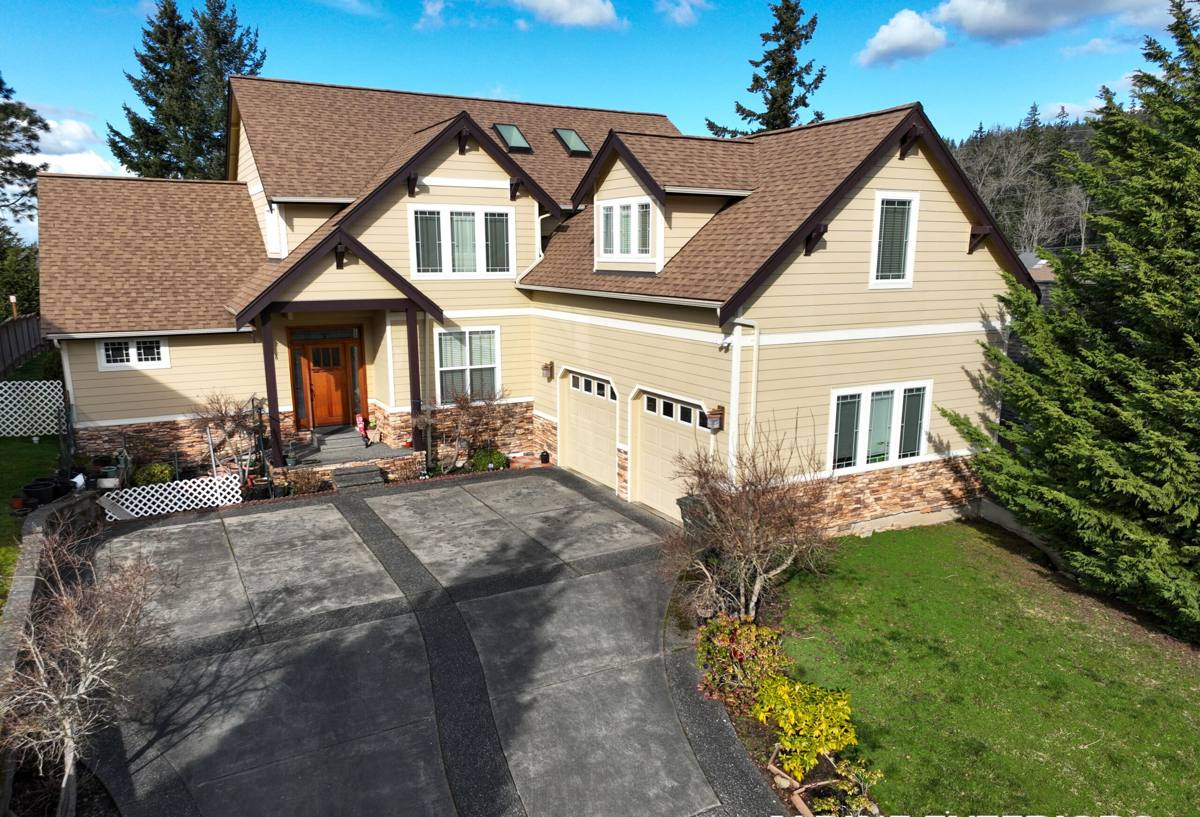
What Edgemoor's Site Conditions Demand From a Deck
Several things about this neighborhood combine to put extra stress on outdoor structures, and a deck built without them in mind tends to age faster than it should.
Salt Air and Metal Fasteners
Proximity to the bay means airborne salt reaches decks even when they're not directly on the waterfront. Salt accelerates corrosion in standard fasteners, joist hangers, and screws — and once a fastener starts rusting, it weakens the connection it's supposed to hold. This is one of the most common causes of premature deck failure we see in coastal Whatcom County, and it's almost entirely preventable with the right hardware from day one.
Driving Rain and Water Intrusion
Bellingham's rain doesn't always fall straight down. Wind-driven rain off the water pushes moisture into places a dry-climate deck design would never have to account for — ledger board connections, stair stringers, and any spot where decking meets siding or a house wall. Water that gets behind flashing or pools against untreated wood is what turns a small maintenance issue into a rot problem.
Shade, Moss, and Slow Drying
Edgemoor's mature tree canopy is part of what makes the neighborhood attractive, but it also means many decks sit in partial or heavy shade for much of the year. Shaded, damp wood dries slowly, and slow-drying surfaces are exactly where moss, algae, and mildew take hold. Beyond being a slip hazard, a moss layer traps moisture against the decking surface and keeps it wet longer than it would be otherwise — which shortens the life of the material underneath.
Choosing Decking Material for This Climate
There's no single "best" decking material for every home — it depends on how much sun and shade the site gets, how much maintenance the owner wants to do, and budget. Here's how the common options perform under Edgemoor's specific mix of salt air, shade, and rain.
| Material | Moss/Algae Resistance | Maintenance | Notes for This Area |
|---|---|---|---|
| Pressure-treated wood | Low in heavy shade unless cleaned regularly | Annual cleaning, periodic re-staining or sealing | Lowest upfront cost; needs consistent upkeep to avoid graying and moss buildup under trees |
| Cedar | Moderate — natural oils help but fade over time | Regular cleaning and refinishing to maintain color and resistance | Attractive, fits the wooded character of the neighborhood, but shaded cedar still needs attention |
| Capped composite | High — cap layer resists moss and algae growth | Occasional washing, no staining or sealing | Performs well under tree cover; worth the added upfront cost if the site is shaded most of the day |
| PVC decking | High | Low — occasional washing | Fully synthetic, handles moisture well, but has a distinct look and feel some owners don't want |
We don't push one material on every job. If a deck sits in full sun for most of the day, a well-maintained wood deck can perform fine for years. If it's tucked under fir or cedar cover, as many Edgemoor lots are, composite or PVC earns back its higher cost in reduced maintenance and better moss resistance. We'll walk the site with you and give an honest read on which category fits before talking specific products.
What a Correctly Built Deck Actually Involves
A deck is a structure, not just a surface to walk on, and most of what determines whether it lasts 10 years or 30 happens below the decking boards where it's never seen after the build.
Footings and Framing
Footings need to be sized and set below frost depth per Whatcom County code, and posts need to bear on solid, properly compacted soil — not just set into whatever the existing grade happens to be. Joist spacing and beam sizing have to match the actual span and the decking material chosen, since composite and PVC products often require tighter joist spacing than solid wood to avoid flexing over time.
Ledger Attachment and Flashing
Where a deck attaches to the house is the single most important — and most commonly mishandled — detail on the whole structure. The ledger board has to be through-bolted correctly and flashed so that water sheds away from the house rather than tracking behind the siding or into the rim joist. Given how much wind-driven rain this area sees, a poorly flashed ledger is one of the most common sources of hidden rot we find when repairing older decks.
Fasteners and Hardware
Given the salt exposure discussed above, we use fasteners and structural hardware rated for coastal or exterior use — not standard interior-grade galvanized hardware that will start showing corrosion within a few seasons. This is a small cost difference at the time of the build and a significant difference in how long the connections hold up.
Guardrails and Stairs
Guard height, baluster spacing, and stair rise-and-run all have to meet current code, and these aren't optional details — they're safety requirements that also get checked at inspection. On multi-level or elevated Edgemoor lots, stair and guard details matter even more, since drop-offs tend to be more common on wooded, sloped sites than on flat ground.
Permits and Whatcom County Requirements
Most new decks and many significant deck rebuilds in Bellingham require a permit, and elevated decks with guardrails almost always do. Depending on the lot — particularly on sloped sites or those closer to the water, which describes a fair number of properties in this neighborhood — there can be additional setback or critical-area considerations that affect where and how a deck can be built. We handle the permit application and coordinate inspections as part of the job, so you're not the one tracking down requirements or scheduling city or county inspectors.
Our Deck Building Process
- Site visit and design. We walk the property, look at sun and shade exposure, drainage, and how the deck will connect to the house, and talk through material options based on what we see.
- Proposal and permitting. You get a clear, itemized proposal. Once approved, we handle the permit application and any required engineering for footings or structural spans.
- Construction. Footings, framing, ledger flashing, decking, and rail installation, done in sequence with attention to the details covered above — not just the parts that show.
- Inspection and walkthrough. We coordinate required inspections and walk the finished deck with you before calling the job done, so you know how it's built and what basic upkeep it needs.
Maintaining a Deck Through Bellingham's Moss Season
Even a well-built deck needs some seasonal attention in this climate, especially on shaded lots. A little upkeep goes a long way toward avoiding early replacement.
- Sweep leaves and needles off the deck surface regularly in fall — trapped organic debris holds moisture and feeds moss growth.
- Rinse or gently wash the surface a few times a year, more often in heavily shaded spots, to keep moss and algae from establishing.
- Check that gaps between boards stay clear so water can drain through rather than pooling on the surface.
- Inspect the ledger board area and any spot where the deck meets the house at least once a year for signs of staining or soft wood.
- Look at fastener heads and hardware periodically for early rust — catching corrosion early is far cheaper than replacing a failed connection later.
- Re-seal or re-stain wood decking on the schedule the product calls for; don't wait until it's visibly gray and worn.
Signs an Existing Deck Needs Attention
If you're not building new but wondering whether an existing Edgemoor deck needs work, a few warning signs are worth taking seriously:
- Soft, spongy decking boards, especially near the house or in shaded corners
- Persistent green or black staining that comes back quickly after cleaning
- Rust streaks around screw heads or joist hangers
- Visible gaps or staining where the deck meets the siding or house wall
- Railings or stair stringers that feel loose or flex under weight
Any of these can usually be traced back to one of the moisture or hardware issues covered above, and catching them early is almost always cheaper than waiting for a full rebuild.
Why a Crew That Already Works in Edgemoor Matters
Building decks in this neighborhood repeatedly means we already know the pattern of problems specific to it — the moss buildup under tree cover, the fastener corrosion from salt air, the way wind-driven rain finds weak points at the ledger. A contractor who mostly builds inland or in drier parts of Whatcom County isn't necessarily doing anything wrong, but they may not default to coastal-rated hardware or account for shade-driven moss the way a crew that works this specific area does. That familiarity shows up less in how a new deck looks on day one and more in how it holds up five and ten years in.
Get a Straightforward Estimate
If you're planning a new deck in Edgemoor or want an honest opinion on an existing one, we're glad to take a look. We'll walk the site, talk through material options that fit your home's sun, shade, and exposure, and give you a clear estimate — no pressure, no upsell. Use the form below to request a free estimate.