 Bellingham Siding
 Exterior Work in Bellingham's York Neighborhood
York is one of Bellingham's older, established residential pockets, and like most of the city it sits close enough to Bellingham Bay to catch salt-laden air, while also getting the full dose of Whatcom County's wet season. Homes here run the gamut from mid-century construction to newer infill, which means the siding, roofing, and trim on any given block can be at very different stages of life. We work on York homes regularly and the pattern is consistent: whatever product is on the wall, if it wasn't built and installed to handle constant moisture, it's aging faster than it should.
This page covers what we see on siding, roofing, window, and deck projects in York, and how we approach exterior work for homes in this part of Bellingham specifically.
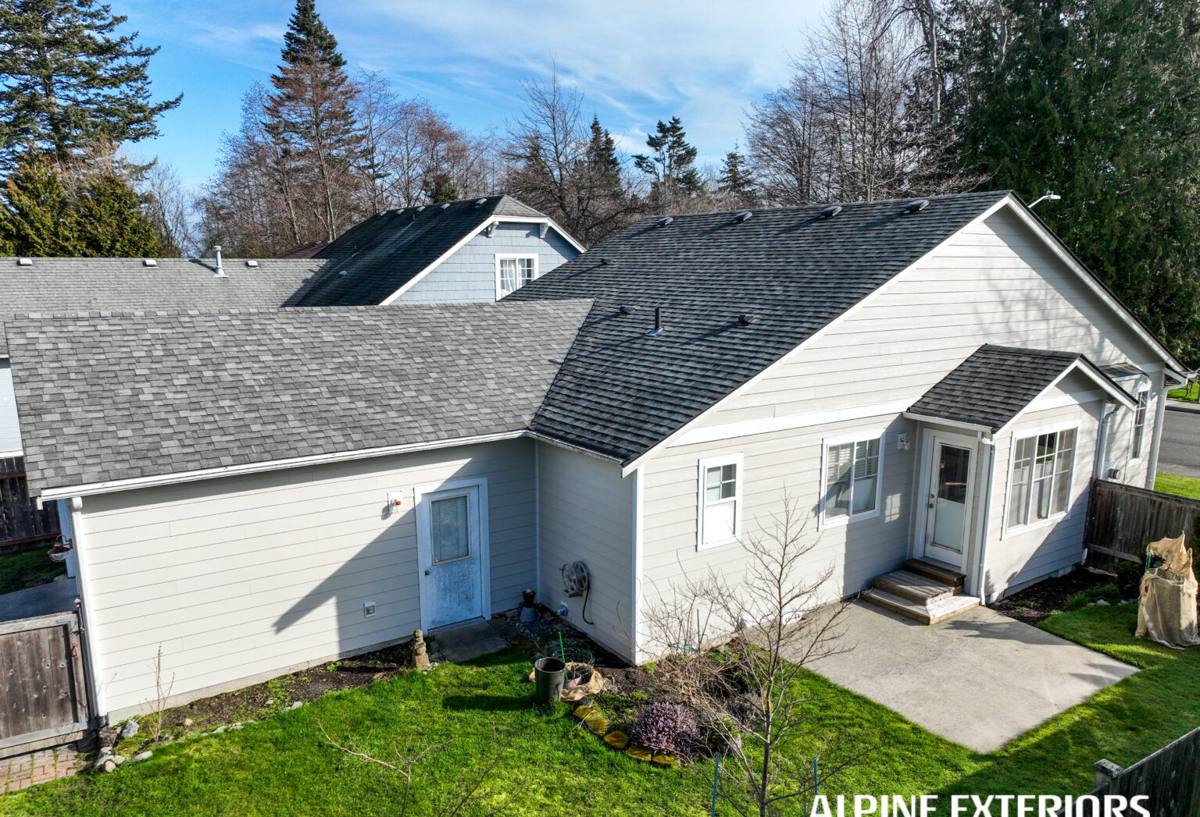
What the Climate Does to a York Home
Three things drive most of the exterior wear we see in this neighborhood:
- Salt air. Proximity to the bay means airborne salt settles on siding, trim, fasteners, and roofing metal. Over years, that accelerates corrosion on unprotected fasteners and breaks down paint films faster than an inland home would experience.
- Driving rain. Bellingham's storms often come with wind, which pushes rain sideways into wall assemblies rather than letting it run straight down. Any gap, unsealed joint, or absorbent siding material becomes a moisture entry point under those conditions.
- A long moss and algae season. Cool, damp, shaded conditions for much of the year favor moss and algae growth on roofs and on north-facing or tree-shaded siding. Beyond the cosmetic issue, moss holds moisture against the surface underneath it, which shortens the life of whatever material it's growing on.
None of this is unique to York, but the neighborhood's mature tree canopy and mix of home ages means we see a wider range of how well different exteriors have held up — which gives us a pretty clear before-and-after picture of what actually works long-term versus what looked fine at install and struggled a decade later.
Siding: Why We Install James Hardie and Nothing Else
We made a deliberate decision as a company to install only James Hardie fiber cement siding. We don't install vinyl, LP SmartSide, Cemplank, Allura, or wood products like primed spruce or cedar. That's not because those products are without merit — several have real strengths — but because after years of installing and repairing siding in this climate, Hardie is the product we trust to hold up here without asking homeowners to babysit it.
How it compares to the alternatives
| Material | How it handles this climate | Main trade-off |
|---|---|---|
| Vinyl | Sheds water fine but can warp or crack in temperature swings and wind-driven rain can get behind loose panels | Not repairable piece-by-piece without visible mismatch; fades over time |
| LP SmartSide (engineered wood) | Treated to resist moisture but is still a wood-based product; edges and cuts need diligent field sealing | Vulnerable if installation details are missed; ongoing caulk maintenance |
| Cedar / primed spruce | Attractive but absorbs moisture readily in a wet climate; needs regular refinishing | Highest maintenance burden; rot risk if coatings lapse |
| James Hardie fiber cement | Non-combustible, dimensionally stable, engineered HZ product lines for wet Pacific Northwest climates | Heavier material, requires correct fastening and installation practices |
James Hardie's HZ5 product line is engineered specifically for climates like ours, with moisture and freeze-thaw performance built into the product rather than relying entirely on field-applied paint or sealant. The factory-applied ColorPlus finish is baked on under controlled conditions, which gives more consistent, longer-lasting color than most site-applied paint jobs — a real advantage in a neighborhood that gets a lot of gray, wet stretches where field painting conditions aren't ideal anyway.
The trade-off with fiber cement is that it demands correct installation — proper clearances, fastening patterns, and joint treatment matter more than with some lighter materials. That's exactly why we treat installation quality as part of the product, not an afterthought.
Roofing: The Other Half of Keeping Water Out
Siding and roofing work together as one water-management system, and in York we regularly find that roofs showing heavy moss or algae growth are also feeding moisture problems down at the wall line — clogged gutters overflowing onto siding below, or moss holding water against shingles longer than the roof was designed to tolerate. When we're on a property for siding work, we look at the roof too, and vice versa. A new, well-detailed set of siding doesn't do its job if the roof above it is dumping water in the wrong places.
Moss removal and roof maintenance in this climate isn't optional cosmetic upkeep — it directly affects how long the roofing material lasts and how dry the wall assembly underneath stays.
Windows: Where Leaks Actually Start
A large share of the water intrusion we diagnose in older homes doesn't come from the siding field at all — it comes from window flashing and trim details that were adequate when installed decades ago but were never built to modern water-management standards. When we replace siding around existing windows, we pay close attention to how the window is flashed and integrated with the new weather-resistive barrier and siding. Replacing windows at the same time as siding is often the most efficient way to fix these details once, correctly, rather than patching around old flashing that's already failing.
Decks: Built for Wet, Not Just for Sun
Decks in York face the same driving rain and shaded, damp conditions as the walls above them, plus direct exposure to standing water and freeze-thaw cycling at ground level. We build and repair decks with drainage, ledger flashing, and material choices that account for a climate where a deck rarely gets a long stretch of dry weather to fully evaporate between rain events. A deck that looks fine on day one but was framed without attention to water shedding is a multi-year problem waiting to surface.
Our Process for York Projects
- Walk-through and assessment. We look at existing siding, trim, roofing condition, and any visible moisture or moss issues before quoting anything.
- Honest scope. If a full re-side isn't necessary — if repair or partial replacement will genuinely do the job — we say so.
- Installation to manufacturer spec. James Hardie's warranty coverage depends on installation being done to their specifications, not shortcuts. We follow those specs as standard practice, not an upsell.
- Coordination across trades. When a project touches siding, roofing, windows, or decks together, we sequence the work so flashing and water management are handled as one continuous system rather than separate jobs that don't talk to each other.
What to Ask When Hiring an Exterior Contractor Here
Whatcom County's climate punishes shortcuts, and siding problems caused by poor installation often don't show up for a few years — by which point the original crew may be long gone. Before hiring anyone for exterior work in York, it's worth asking:
- Are they licensed and insured to do exterior/siding work in Washington?
- Do they install to the manufacturer's written specifications, and can they explain what that involves?
- Will the manufacturer's warranty transfer to a future homeowner if you sell?
- Do they address flashing and water management at windows, doors, and roof lines, or just the siding field?
- Can they explain, in plain terms, why they recommend one siding material over another for this specific climate?
Cost Factors on a Typical York Project
| Factor | Why it matters here |
|---|---|
| Home age and existing wall condition | Older homes may need sheathing repair or added moisture barrier before new siding goes on |
| Amount of trim and architectural detail | More corners, gables, and window trim mean more labor and material |
| Tree cover and access | Mature landscaping common in York can affect staging, scaffolding, and cleanup |
| Scope: siding only vs. combined with roofing/windows | Combining trades can reduce redundant setup costs and fix water-management issues in one pass |
| Siding profile and color selection | James Hardie offers multiple plank widths, textures, and ColorPlus finishes at different price points |
We don't quote sight-unseen. Every project gets an in-person assessment because the honest cost range depends on what's actually on the wall today, not just square footage.
Let's Take a Look at Your Home
If you're in York and dealing with tired siding, a mossy roof, leaky windows, or a deck that's seen better days, we're happy to come take a look. The estimate is free, there's no pressure, and you'll get a straight answer about what your home actually needs — whether that's a full re-side or something smaller. Use the form below to get started.