 Bellingham Siding
 Why York Roofs Wear Differently Than Roofs Inland
A roof over a home in the York area doesn't age the same way a roof does forty miles inland. Being close to Bellingham Bay and the broader Whatcom County coastline means the air carries salt, the rain comes in sideways more often than straight down, and the shaded, damp stretches of fall through spring give moss more time to take hold than almost anywhere else in the state. None of that is dramatic on its own. It's the combination, repeated year after year, that quietly shortens the life of shingles, flashing, and fasteners that would otherwise have plenty of service left in them.
Salt air is corrosive to exposed metal — nail heads, flashing seams, gutter hangers, and vent caps all take the hit first, usually well before the shingles themselves show wear. Driving rain, especially when it comes with wind off the water, finds its way under laps and around penetrations that would stay dry in a calmer climate. And moss doesn't just sit on top of a roof looking messy — it holds moisture against the surface, works its way under shingle edges, and lifts material as it grows, which is exactly the kind of slow damage that turns into a leak nobody sees coming.
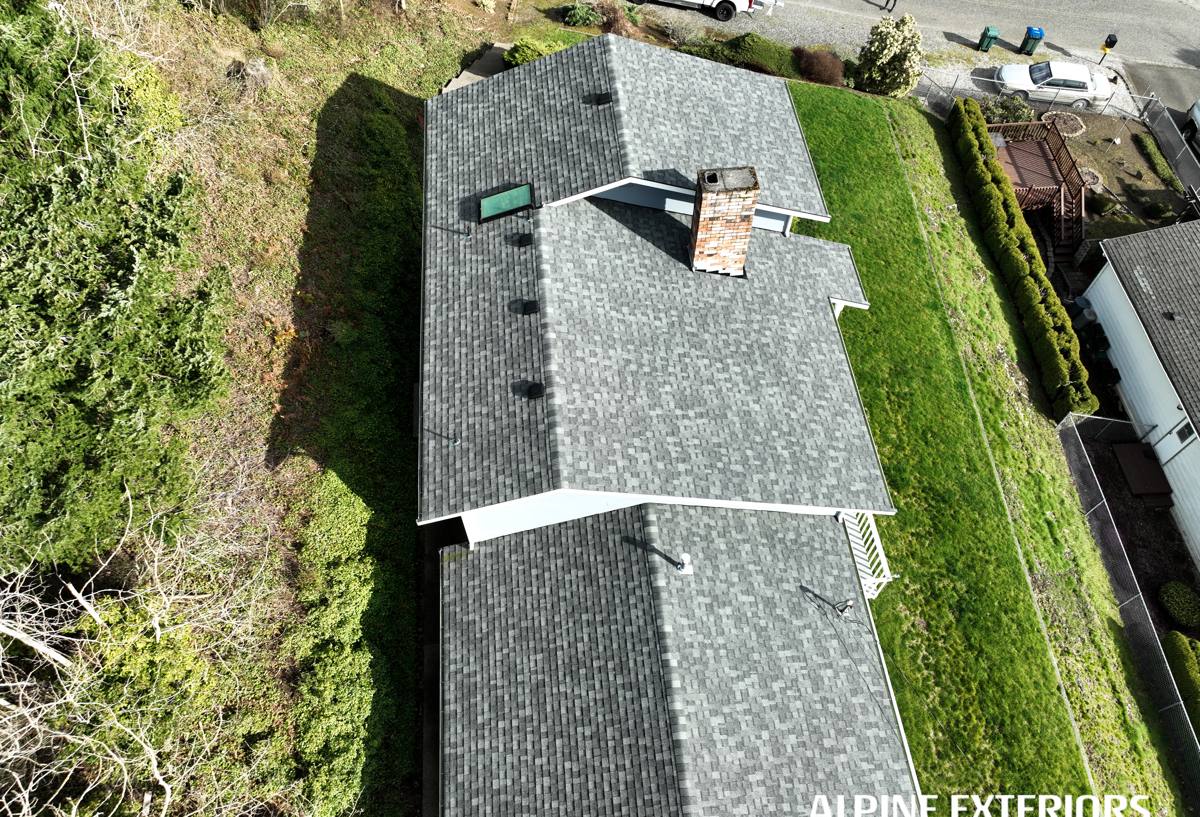
What "Roof Repair" Actually Means for a Home Like Yours
Roof repair covers a wide range of jobs, and not all of them look the same. For York-area homes, the repairs we're called out for most often fall into a few categories:
- Replacing cracked, curled, or wind-lifted shingles in a specific section rather than the whole roof
- Re-sealing or replacing flashing around chimneys, skylights, and roof-to-wall transitions where driving rain tends to find a way in
- Cleaning and treating moss growth before it lifts shingles or clogs valleys and gutters
- Repairing or replacing corroded fasteners, vent boots, and metal flashing showing salt-air deterioration
- Fixing isolated leaks traced to a single failed point rather than general wear across the whole roof
- Addressing granule loss and soft spots on older composition roofs before they turn into structural repairs
The common thread is that repair work is targeted. It's not a full tear-off, and it shouldn't be priced or approached like one. A good repair fixes the actual failure point, matches the surrounding material as closely as possible, and leaves the rest of the roof's remaining service life intact.
Signs a York-Area Roof Needs a Closer Look
Most roof problems in this climate don't announce themselves with a dramatic leak on day one. They show up as small, easy-to-miss signals first. Worth checking for:
- Dark streaking or green-black growth on north-facing or shaded slopes
- Moss visibly thickening along ridge lines, valleys, or shingle edges
- Granules collecting in gutters or at downspout outlets
- Shingles that look cupped, curled at the corners, or lifted along an edge
- Rust staining below metal flashing or around vent pipes
- Water stains on interior ceilings, especially near chimneys or skylights
- Soft or spongy-feeling spots when walking the roof during an inspection
Any one of these on its own might not mean much. Two or three together, especially after a stretch of hard rain or a windy winter, are worth having looked at before the next wet season.
Moss and the Long Wet Season
Why Moss Is More Than a Cosmetic Problem
Moss gets treated as a curb-appeal issue, but the real damage is mechanical. As it grows, moss works its rhizoids under shingle tabs and edges, lifting them just enough to break the seal that keeps wind-driven rain out. It also holds water against the roofing material long after the rest of the roof has dried, which accelerates granule loss on composition shingles and promotes rot on any exposed wood trim or sheathing nearby.
What Correct Moss Treatment Looks Like
Treating moss the right way means removing it without damaging the roofing material underneath — no aggressive pressure washing, no scraping that tears granules loose. It typically involves a gentle physical removal pass, a treatment application suited to the roofing type, and attention to the valleys and gutters where moss debris tends to collect and hold moisture longest. On roofs with a history of heavy growth, we'll also look at whether nearby tree cover or shading is contributing, since treating the roof without addressing the cause just means doing it again in a year or two.
What a Correct Repair Actually Involves
Inspection Before Anything Else
Every repair starts with getting on the roof, not just looking at it from the ground. That means checking the suspected problem area, but also the flashing, valleys, and penetrations nearby — leaks in this climate often travel along the underlayment before showing up somewhere else on the ceiling, so the visible stain and the actual failure point aren't always in the same spot.
Matching Materials, Not Just Patching
A repair that uses the wrong shingle profile, the wrong flashing metal, or a sealant that doesn't hold up to constant damp will fail again, usually faster than the original problem did. We match shingle type, exposure, and color as closely as the existing roof allows, and use flashing metal and fasteners rated for coastal, high-moisture exposure rather than standard-grade hardware that corrodes early in salt air.
Sealing and Flashing Detail Work
Most of the leaks we trace back to a specific cause come down to flashing and sealant detail — a chimney counter-flashing that's pulled away, a skylight curb seal that's cracked, a valley that wasn't lapped correctly. This is the part of a repair that takes the most skill and the least time to rush, and it's where a lot of recurring leaks come from when the first repair was done in a hurry.
Cleanup and a Final Check
A repair isn't done until the gutters and valleys are cleared of moss and shingle debris and the area's been checked for anything that might have been missed — loose fasteners nearby, a soft spot a few feet from the main repair, that kind of thing. Leaving debris behind just sets up the next moss problem.
Repair or Replace? What Actually Drives That Decision
Homeowners often assume any leak means a new roof, and that's rarely true. The honest answer depends on a handful of factors:
| Factor | Leans Toward Repair | Leans Toward Replacement |
|---|---|---|
| Age of roof | Under 15-20 years, depending on material | At or past the manufacturer's expected service life |
| Extent of damage | Isolated to one section or penetration | Widespread granule loss, curling, or moss damage across multiple slopes |
| Underlying deck condition | Sheathing solid, no rot found | Soft or rotted decking discovered during inspection |
| Leak history | First occurrence, clear single cause | Repeated leaks in different spots over time |
| Cost relative to full roof | Repair cost is a small fraction of replacement | Repair costs are climbing toward what a partial re-roof would run |
We'll tell you honestly which category a given roof falls into. Most of the calls we get in the York area are legitimately repair jobs — the roof has years of life left, it just has a specific failure point that needs fixing.
How We Approach a Roof Repair Call
1. On-Roof Inspection and a Straight Answer
We get on the roof, find the actual cause, and explain what we found in plain terms — what's failing, why, and what it'll take to fix it correctly.
2. A Written Estimate Before Any Work Starts
You get a clear scope and price before we do anything, so there's no guessing about what's included.
3. The Repair, Done to Match
We match materials to what's already on your roof where possible, use fasteners and flashing suited to coastal exposure, and do the flashing and sealant work with the same care we'd want on our own homes.
4. A Final Walkthrough
Before we leave, we check the repair, clear the work area of debris, and make sure nothing nearby was missed.
Why Local Experience in York Matters
A roof repair crew that already works in and around Bellingham has seen how this specific stretch of Whatcom County weather behaves on real roofs — which flashing details fail first in salt air, which slopes hold moss longest through the wet months, and which shingle types have held up and which haven't in this exposure. That's not something you get from a general repair checklist. It shows up in faster, more accurate diagnosis and in repairs that are built for the conditions the roof actually faces, not generic ones.
It also means showing up when the weather is doing what it does here — being able to get a tarp on a damaged section during a storm, and being available for the kind of follow-up that matters most: making sure a repair actually held through the next hard rain.
If you've noticed moss building up, a stain on the ceiling, or shingles that don't look right after a windy week, it's worth getting a second set of eyes on it before it turns into a bigger job. We offer free, no-pressure estimates — use the form below to get one scheduled.