 Bellingham Siding
 Deck Repair Built for Fairhaven's Waterfront Climate
Fairhaven sits close enough to Bellingham Bay that its decks live a different life than a deck ten miles inland in Whatcom County. Salt-laden air off the water accelerates corrosion on fasteners and hardware, driving rain off the Sound drives moisture into end grain and ledger connections, and a moss season that can stretch from October through April keeps deck surfaces damp far longer than most homeowners realize. We repair decks in Fairhaven regularly, and the failure patterns we see here are consistent enough that we can usually tell what's wrong before we even get a ladder out.
This page is about deck repair specifically — not new deck construction — and specifically for Fairhaven. If your deck is sagging, soft underfoot, shedding paint or stain, growing moss in the shade, or just older than its hardware, this is the service you need.
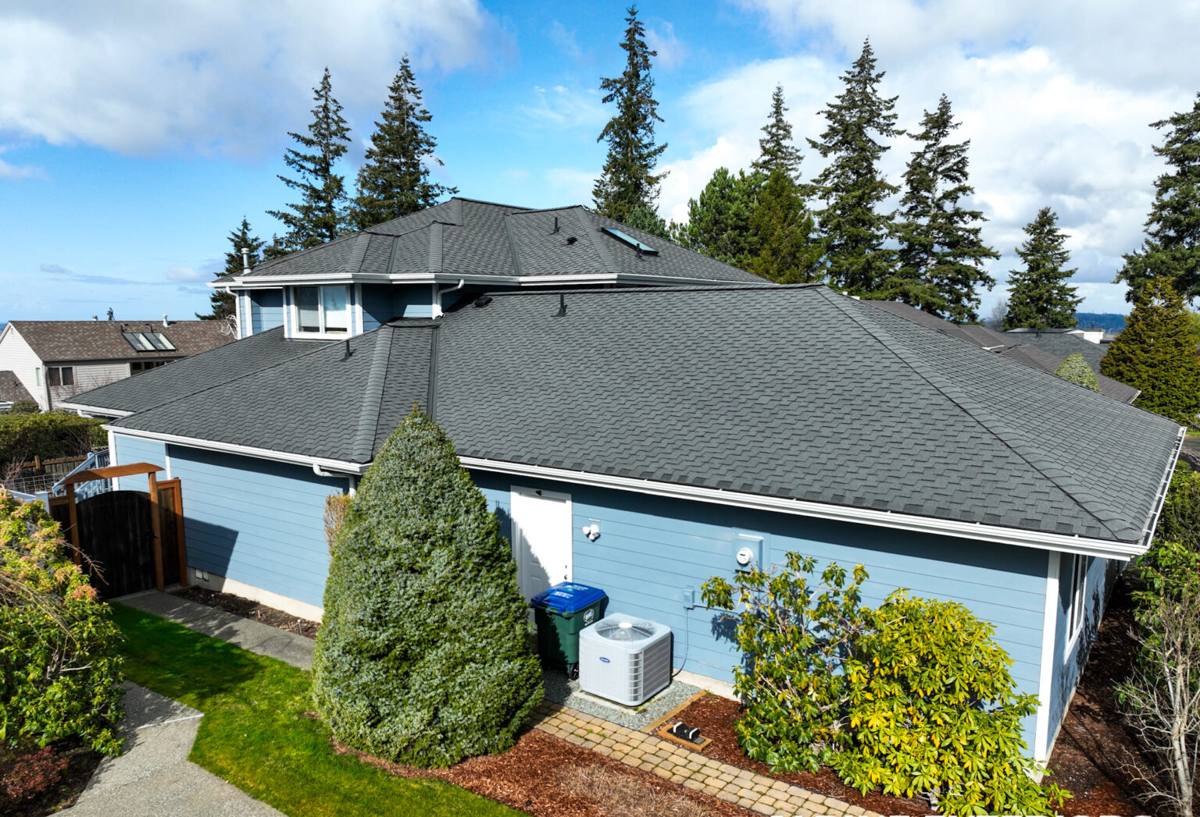
What Fairhaven's Climate Actually Does to a Deck
Salt Air and Metal Fatigue
Proximity to Bellingham Bay means airborne salt settles on exposed metal — joist hangers, structural screws, post bases, and railing brackets. Over years, this accelerates corrosion even on coated or galvanized hardware, especially where the coating has been scratched during original installation or a prior repair. Corroded fasteners lose holding strength quietly; a deck can look solid while its connections are already compromised.
Driving Rain and End-Grain Saturation
Wind-driven rain off the water doesn't just fall on a deck — it gets pushed sideways into board ends, stair stringers, and the gaps where ledger boards meet the house. End grain absorbs water far faster than the face of a board, which is why rot so often starts at board ends and fastener locations rather than in the middle of a clean run of decking.
Moss and Prolonged Moisture
Whatcom County's long, mild, wet stretch of the year is ideal moss-growing weather, and Fairhaven's tree cover and marine humidity make shaded deck areas especially prone to it. Moss holds moisture against the wood surface long after the rain has stopped, which softens fibers, breaks down finishes, and creates a slick, genuinely hazardous walking surface — a safety issue as much as a maintenance one.
Common Deck Problems We Find in Fairhaven
- Soft or spongy decking boards, usually near board ends or around fastener heads
- Rust-streaked or failing joist hangers and structural screws
- Rot at the ledger board where the deck attaches to the house
- Wobbly or leaning railings and posts, often from moisture-softened post bases
- Stair stringers that flex or feel unstable underfoot
- Moss and algae buildup on shaded boards, especially on the north or tree-covered side
- Peeling stain or paint that's trapping moisture underneath rather than shedding it
- Gaps or cupping in boards from repeated wet-dry cycling
How We Diagnose a Deck Before We Touch a Board
A correct repair starts with an honest inspection, not a quote based on what's visible from the yard. We check the structure from underneath wherever access allows — looking at the ledger connection, joist condition, hardware corrosion, and post bases — because surface problems and structural problems don't always show up in the same place. A deck can have beautiful boards over a failing frame, or rough-looking boards over a perfectly sound structure.
We probe suspect areas with a screwdriver or awl rather than guessing by eye. Wood that feels soft, spongy, or crumbles under light pressure has lost structural integrity regardless of how it looks from three feet away. We also check railing post connections separately, since loose railings are one of the more common safety issues we find on older Fairhaven decks and are sometimes treated as cosmetic when they shouldn't be.
What Our Inspection Covers
- Ledger board attachment and flashing condition
- Joist and beam condition, including hidden rot at joist ends
- Hardware corrosion — hangers, structural screws, post bases
- Post and railing stability, tested by hand, not just by eye
- Stair stringer condition and connection to the deck frame
- Surface condition: board cupping, splitting, moss, and finish failure
- Drainage — where water pools or runs against the house
What a Correct Deck Repair Involves
Matching the Repair to the Actual Damage
Not every repair needs to be a full rebuild, and not every problem can be fixed with a few new boards. Part of doing this job right is matching the scope of the repair to what's actually failed — replacing individual damaged boards where the frame underneath is sound, versus addressing the frame itself when the problem starts there. We explain which situation your deck is in before any work starts, and why.
Structural Repairs
When joists, beams, or ledger connections have failed, that's a frame-level repair — sistering damaged joists, replacing compromised sections, re-securing or re-flashing the ledger connection, and upgrading hardware to corrosion-resistant fasteners suited to a marine environment. This is the work that actually determines whether a deck is safe, and it's not optional or cosmetic.
Board and Surface Repairs
Where the frame is sound but the decking itself is worn, cupped, or rotted, we replace individual boards or full runs as needed, matching fastener patterns and spacing to the existing deck so repairs blend in rather than standing out as an obvious patch.
Hardware Upgrades
Given the salt-air exposure Fairhaven decks face, we don't reuse corroded hardware just because it's still technically holding. We upgrade to fasteners and connectors rated for coastal exposure so the repair holds up under the same conditions that caused the original failure, rather than repeating the same problem on a shorter timeline.
Railing and Stair Repairs
Loose railings and unstable stair stringers get resecured to solid framing, not just tightened at the surface — a railing that's loose because the post base underneath has softened needs that base addressed, not just a new screw.
Repair vs. Replacement: How We Help You Decide
Homeowners often assume a deck with visible problems needs full replacement, and just as often assume a deck can be patched when it actually can't. The honest answer depends on how much of the failure is in the frame versus the surface, and how much of the deck is affected versus isolated.
| Factor | Points Toward Repair | Points Toward Replacement |
|---|---|---|
| Frame condition | Joists and beams are solid; only isolated boards affected | Multiple joists, beams, or the ledger connection have failed |
| Extent of damage | Damage is localized to specific boards or areas | Rot or corrosion is widespread across the structure |
| Age of the deck | Deck is mid-life with isolated wear | Deck is at or past its expected service life overall |
| Hardware condition | Hardware is sound aside from a few components | Hardware is corroded throughout and unreliable |
| Cost comparison | Repair cost is a fraction of replacement cost | Repair cost approaches what a rebuild would run |
We'll give you a straight answer on which side of this table your deck falls on, including when replacement is genuinely the better value — we'd rather tell you that upfront than sell a repair that won't hold.
Our Process for Fairhaven Deck Repairs
- Inspection and diagnosis — a hands-on look at the structure, hardware, and surface, not just a visual estimate
- Written scope and honest recommendation — what's actually wrong, what needs to be done, and what it will cost, with repair-vs-replacement discussed plainly if it's a close call
- Scheduling around Fairhaven's weather — structural and fastening work needs dry conditions to be done right, so we plan around the region's rain patterns rather than rushing a repair into a wet window
- Repair work — structural fixes first, then surface and cosmetic repairs, using hardware suited to coastal exposure
- Cleanup and final check — testing railings, stairs, and repaired areas by hand before we call the job done
Maintenance That Extends the Life of the Repair
A repair holds longer when it's paired with basic seasonal upkeep, especially in a moss-prone, salt-air environment like Fairhaven's.
- Clear moss and debris from boards and between gaps before it establishes, particularly in shaded areas
- Keep gutters and downspouts directing water away from the deck structure, not onto it
- Reapply stain or sealer on the schedule the product calls for — coastal exposure tends to shorten that interval
- Check railings and stair connections by hand once or twice a year for early looseness
- Address soft spots or discoloration as soon as they appear rather than waiting for a full wet season to pass
Why Hire a Crew That Already Works in Fairhaven
Deck repair done wrong — boards replaced over a rotted frame, hardware that isn't rated for salt exposure, a ledger connection resealed instead of properly repaired — doesn't fail immediately. It fails a year or two later, after the money's already spent. Crews who work Fairhaven regularly know which parts of a deck fail first in this specific environment and inspect those areas as a matter of course, not as an afterthought.
We're a Bellingham-based crew serving Whatcom County, including Fairhaven, and we bring that local pattern-recognition to every inspection — salt air, driving rain, and moss aren't abstract climate notes to us, they're the specific reasons decks in this neighborhood fail the way they do.
Get an Honest Look at Your Deck
If your deck has soft spots, loose railings, moss buildup, or just feels less solid than it used to, it's worth a real inspection before the next wet season makes the problem worse. We offer free, no-pressure estimates for Fairhaven homeowners — we'll tell you plainly what's wrong, what it takes to fix it, and whether repair or replacement is the better call. Use the form below to get started.