 Bellingham Siding
 Siding Installation Built for Cordata's Corner of Whatcom County
Cordata sits in north Bellingham, a mix of newer residential development and older homes tucked among mature trees, all inside the same marine climate that defines Whatcom County: mild temperatures, heavy annual rainfall, and enough moisture in the air most months to keep everything outdoors slightly damp. Siding here isn't cosmetic. It's the one layer standing between your framing and a climate that rarely lets a wall dry out completely between storms. When we talk about siding installation in Cordata, we're talking about a specific set of problems this neighborhood's homes actually face, not a generic pitch that could apply anywhere in the country.
This page covers what Cordata homes need from their siding, what a correctly done installation actually involves, how our process works, and why it matters to hire a crew that already understands this part of Bellingham rather than one learning the climate on your dime.
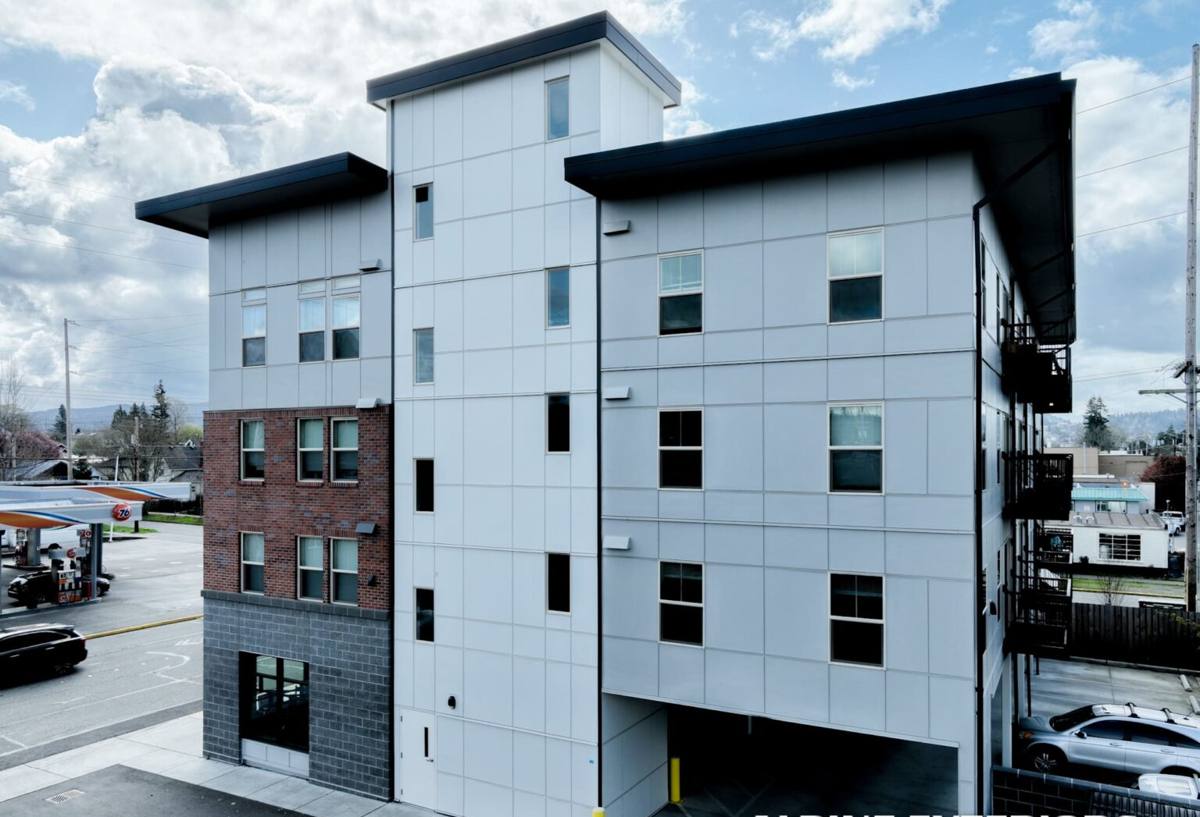
What Cordata's Climate Does to Siding Over Time
Salt Air Off the Bay
Bellingham sits on Bellingham Bay, and salt-laden air moves inland across the whole city, Cordata included. Salt air accelerates corrosion on fasteners, flashing, and any metal trim that isn't rated for coastal exposure, and it speeds up the breakdown of paint films on siding that wasn't factory-finished to handle it. Over years, that shows up as rust bleed at nail heads, chalking or fading paint, and soft spots where moisture found a way in behind a failing finish.
Driving Rain and Wind-Driven Moisture
Whatcom County gets a lot of rain, and a fair share of it doesn't fall straight down — wind pushes it sideways into walls, especially on exposed elevations. Siding that relies on caulk and paint alone to keep water out, instead of proper flashing, drainage gaps, and lap details, eventually lets water past the surface. Once moisture gets behind siding and can't dry out, you're looking at rot, mold, and damaged sheathing before anyone notices a problem from the curb.
Moss Season and Shaded Lots
Many Cordata lots carry mature trees or sit close to neighbors' tree lines, which means shade, slower drying, and a long moss and algae season on north- and west-facing walls. Moss holds moisture against the surface it grows on. On a material that can absorb water or swell, that's a slow, steady path to damage. On a material engineered to resist moisture, it's mostly a cosmetic issue that pressure washing and normal maintenance can handle.
What a Correct Siding Installation Actually Involves
The siding you see is the last five percent of the job. The other ninety-five percent is what's underneath it, and it's the part that determines whether your walls stay dry for the next thirty years or start failing in five.
- A continuous, correctly lapped weather-resistive barrier behind the siding, with every penetration properly sealed
- Flashing at every window, door, deck ledger, and roofline intersection, installed so water sheds outward and down, never behind the barrier
- Proper fastener type, spacing, and depth for the specific siding product, not generic nails driven to whatever depth is fast
- Correct clearances at grade, roof lines, and decks so siding never sits in standing water or constant splash-back
- Factory-finished panels and trim where possible, so the weather-resistant coating goes on under controlled conditions, not on a ladder in variable weather
- Caulking used only where it belongs, as a supplement to good flashing and lap details, never as the primary water barrier
Skip or rush any one of these steps and the siding itself almost doesn't matter — water will find the gap. This is where a lot of installation problems actually originate, and it's also where they're invisible until the siding comes off years later.
Why We Only Install James Hardie Fiber Cement
We standardized on James Hardie fiber cement siding for every home we work on, including Cordata, because it's engineered specifically for climates like this one. Hardie's HZ5 product line is formulated for the Pacific Northwest's wet, moderate-temperature conditions — resisting moisture absorption, holding up to sustained damp without swelling or rotting, and standing up to salt air better than most alternatives. It's also non-combustible, which matters more each year as wildfire smoke and dry-season fire risk become a normal part of Pacific Northwest summers, even in a generally wet region like Whatcom County.
Hardie's factory-applied ColorPlus finish is baked on under controlled conditions and backed by its own finish warranty, so the color and protective coating aren't dependent on field painting conditions the way job-site-primed materials are. Combined with Hardie's transferable product warranty, that adds up to a siding system that's built to actually perform through the specific conditions Cordata sees year after year, not just look good on installation day.
How Fiber Cement Compares to the Alternatives Here
| Material | Moisture Behavior in Wet Climates | Salt Air Durability | Long-Term Maintenance |
|---|---|---|---|
| James Hardie Fiber Cement | Engineered to resist moisture absorption and swelling | Strong; factory finish built for coastal exposure | Occasional wash; repaint cycle measured in decades |
| Vinyl Siding | Doesn't absorb water, but panels warp, gap, and fade under repeated wet/dry and UV cycling | Fades and becomes brittle faster near salt air over time | Low upkeep, but panels aren't repairable — sections get replaced |
| LP SmartSide (Engineered Wood) | Wood-based core is vulnerable if any seam or fastener point fails | Moderate; finish quality depends heavily on installation detail | Requires vigilant caulk and finish maintenance to avoid moisture entry |
| Cedar / Primed Wood | Absorbs moisture readily; needs consistent drying conditions it rarely gets here | Weak without frequent refinishing | Repainting or restaining on a short cycle, more with shade and moss exposure |
We won't install vinyl, LP SmartSide, Cemplank, Allura, primed spruce, or cedar on the homes we work on. Each of those products has real strengths — vinyl is inexpensive, wood has a traditional look, engineered wood products are lighter to install — but in a climate that stays damp for months at a stretch, the trade-offs in moisture behavior, maintenance burden, or long-term durability aren't ones we're willing to put our name behind. Fiber cement is the material we've found actually holds up to what Cordata's weather does to a house.
What Affects the Cost of a Siding Installation
| Factor | Why It Matters |
|---|---|
| Home size and wall complexity | More corners, dormers, and roof intersections mean more flashing and cut work, which adds labor time |
| Condition of existing sheathing | Rot or water damage found once old siding comes off needs to be repaired before new siding goes on |
| Siding profile and trim selection | Lap width, panel style, and trim detail all affect material and labor cost |
| Removal and disposal of old siding | Tear-off adds labor and disposal cost compared to installing over prepared existing surfaces where that's viable |
| Site access | Tree cover, tight lot lines, and limited staging space, all common in established Cordata neighborhoods, can affect scaffolding and equipment needs |
We give every homeowner a written estimate based on an actual look at the house, not a phone-quoted number per square foot. Broad ranges without seeing the home tend to be either misleading or padded, and we'd rather give you an honest number after a real inspection.
Our Installation Process
- On-site assessment: we inspect your current siding, sheathing, and trim to understand what we're actually dealing with before we quote anything
- Written estimate and product selection: we walk through Hardie profiles, colors, and trim options that fit your home and budget
- Tear-off and sheathing repair: old siding comes off, and any rot or damage underneath gets repaired before anything new goes up
- Weather-resistive barrier and flashing: the barrier goes on continuous and correctly lapped, with flashing at every window, door, and penetration
- Hardie siding and trim installation: installed to manufacturer fastening and clearance specs, not shortcuts
- Final walkthrough: we go over the finished work with you and address anything before we call the job done
Signs a Cordata Home Needs New Siding
- Paint that's peeling, bubbling, or chalking heavily, especially on shaded or north-facing walls
- Soft or spongy spots when you press on the siding near the bottom edges or below windows
- Persistent moss or algae growth that comes back quickly after cleaning
- Visible warping, cracking, or gaps between siding boards or panels
- Rust streaking below fasteners or trim
- Rising energy bills that suggest air and moisture are moving through the wall assembly
- Interior wall staining or musty odors near exterior walls, which often point to moisture already behind the siding
Why It Matters to Hire a Crew That Already Works in Cordata
A crew that regularly works this part of Bellingham already knows how Whatcom County's building department reviews siding and flashing details, what moisture problems actually show up on homes in this climate versus what's theoretical, and how to sequence a job around the region's rain patterns so materials and open walls aren't sitting exposed longer than they need to be. That local familiarity shows up in fewer surprises during the job and a finished install that's actually detailed for the weather it has to survive, not just installed to a generic national spec sheet.
It also means accountability. A local crew with a track record in Cordata and the surrounding Bellingham area has a reputation to protect in this community, which is a different incentive than a crew passing through from out of the area for one job.
If your Cordata home's siding is showing its age or you're planning ahead, we're happy to walk the property with you and give you a straight, no-pressure estimate using the form below.