 Bellingham Siding
 Why Blaine Siding Wears Out Faster Than Homeowners Expect
Blaine sits right on Drayton Harbor and Semiahmoo Bay, about as close to the water and the Canadian border as you can get in Whatcom County. That location is part of what makes the town beautiful, and it's also exactly why siding here takes a beating that homes twenty miles inland never see. Salt-laden air blows in off the water, driving rain comes in sideways during winter storms, and the shaded, damp stretches of the year keep moss and algae active for months at a time. Siding that would hold up fine in a drier, more sheltered part of the county can start failing early in Blaine if it wasn't built, or installed, for this specific exposure.
We're a Bellingham-based crew, and Blaine is part of our regular service area — not a once-a-year drive-up job. We've seen what this coastline does to fiber cement, vinyl, wood, and engineered wood siding alike, and that experience shapes how we approach every replacement here.
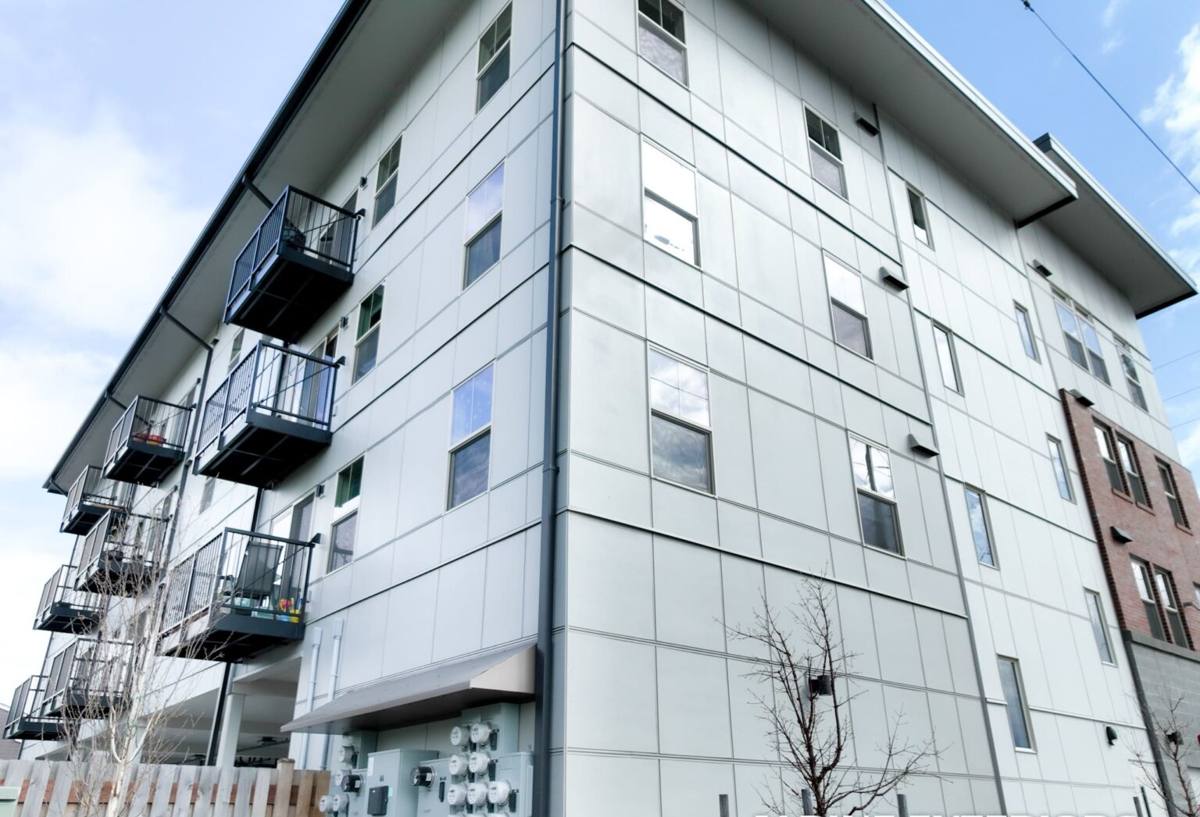
What Salt Air, Rain, and Moss Actually Do to Siding
Salt Air and Metal Components
Airborne salt doesn't just sit on the surface — it works into fasteners, flashing, and any exposed metal trim. Over years, that accelerates corrosion in lower-grade fasteners and can stain or streak lighter-colored siding near the coast. It's a slow process, but it's constant, and it's part of why fastener choice and flashing detail matter more in Blaine than they would in a landlocked neighborhood.
Driving Rain and Water Intrusion
Storms coming off the Strait of Georgia and the Salish Sea often bring rain in at an angle rather than straight down. Wind-driven rain finds every gap in a siding system — a poorly lapped seam, a missed piece of flashing above a window, a caulk joint that was never meant to be a primary water barrier. Once water gets behind the siding, it's the sheathing, framing, and insulation that pay the price, usually invisibly, for years before anyone notices.
Moss, Algae, and Trapped Moisture
Whatcom County's long, cool, wet stretch from fall through spring keeps north-facing and shaded siding damp for extended periods. That's ideal growing conditions for moss and algae, especially on textured or porous surfaces. Beyond the cosmetic issue, moss holds moisture directly against the siding surface, which is a problem for any material that isn't dimensionally stable when wet.
Why We Only Install James Hardie Fiber Cement in Blaine
We don't install vinyl siding, LP SmartSide, cedar, primed spruce, Cemplank, or Allura. That's a deliberate standard, not a lack of options. Each of those products has real strengths, and we're not going to pretend otherwise — but in a coastal, wet, moss-prone environment like Blaine, the trade-offs matter enough that we've chosen not to put our name behind installing them.
Vinyl can warp or become brittle with temperature swings and UV exposure, and its seams and butt joints give wind-driven rain more opportunities to find a way in over time. Wood and wood-based products like cedar and primed spruce are attractive but require consistent maintenance — repainting, sealing, and monitoring for rot — to hold up against the moisture load this area sees, and moss cover makes that maintenance harder to keep up with. Engineered wood siding (LP SmartSide) improved a lot over older wood products, but it's still a wood-strand product, and edges or cut ends that aren't perfectly sealed remain a vulnerability in a high-moisture climate. Other fiber cement brands like Cemplank and Allura are legitimate competitors to Hardie, but we've standardized on one product line so our crew's installation knowledge, flashing details, and warranty handling stay consistent across every job.
James Hardie fiber cement is non-combustible, dimensionally stable when wet, and available in the HZ5 formulation engineered specifically for the wetter, harsher climate zones the Pacific Northwest falls into. The factory-applied ColorPlus finish resists fading and holds up to UV and moisture exposure far better than field-applied paint, which matters on a coastline where repainting siding is a job nobody wants to repeat every few years.
What a Correct Siding Replacement Involves
Full Tear-Off, Not a Cover-Up
We remove the existing siding down to the sheathing rather than installing over it. Covering old siding hides problems instead of fixing them, and on a coastal property that's exactly where hidden rot or trapped moisture tends to be.
Inspecting and Repairing What's Underneath
Once the old siding is off, we inspect the sheathing and framing for water damage, soft spots, or existing rot — issues that are common on older Whatcom County homes that have seen decades of coastal weather. Any compromised sheathing gets replaced before anything new goes back up. Installing new siding over damaged sheathing just locks the problem inside the wall.
Weather-Resistive Barrier and Flashing
A correctly installed weather-resistive barrier, properly lapped and taped, is the layer that actually keeps bulk water out of the wall assembly — the siding itself is the second line of defense, not the first. Flashing above windows, doors, and any horizontal trim gets detailed to shed water outward, which is especially important given how often rain here arrives at an angle instead of straight down.
Installing to Manufacturer Specification
James Hardie's warranty depends on installation matching their published specifications — fastener type and spacing, minimum clearances from grade and roof lines, proper gapping at joints, and correct climate-specific product selection. Skipping these details doesn't just risk premature failure, it can void the manufacturer warranty the homeowner is counting on.
Our Process, Start to Finish
- Free on-site estimate — we walk the exterior with you, look at existing siding condition, drainage, and any trouble spots, and give you a straightforward assessment.
- Written scope and product selection — we specify the James Hardie product line, profile, and color, and lay out what's included: tear-off, sheathing repair allowance, barrier, flashing, and installation.
- Scheduling around Blaine's weather windows — we plan the job to avoid stacking exterior work during the wettest stretches of the year whenever the calendar allows it.
- Tear-off and inspection — old siding comes off, sheathing is inspected and repaired as needed.
- Barrier, flashing, and installation — weather-resistive barrier, flashing details, and Hardie siding installed to spec.
- Final walkthrough — we go over the finished exterior with you before calling the job done.
Cost Factors for a Blaine Siding Replacement
Every home is different, and we won't quote a number without seeing the property, but these are the main factors that move the price up or down on a typical Blaine job:
| Factor | Why It Matters |
|---|---|
| Home size and wall complexity | More corners, dormers, and roof lines mean more cutting, flashing, and labor time |
| Extent of hidden sheathing damage | Coastal moisture exposure means older homes more often need sheathing repair before new siding goes up |
| Siding profile and trim detail | Lap siding, board-and-batten, and shingle-style profiles carry different material and labor costs |
| ColorPlus vs. field-applied finish | Factory-finished ColorPlus costs more upfront but eliminates a future repainting cycle |
| Access and site conditions | Waterfront lots, tight setbacks, or difficult grading can affect staging and labor time |
Signs Your Blaine Home Needs Siding Replacement Now
- Persistent moss or algae growth that returns quickly after cleaning
- Soft, bubbling, or visibly warped siding panels
- Paint that's peeling or blistering faster than a normal repaint cycle would explain
- Visible gaps, cracks, or separated seams at panel joints
- Musty odors or discoloration on interior walls that back up to exterior siding
- Siding that flexes or feels spongy when pressed near the base of the wall
- Rising heating bills that suggest air and moisture are getting through the wall assembly
Why a Crew That Already Works Blaine Matters
Coastal exterior work isn't identical to inland siding work, and a crew that treats it the same way will miss details. We already account for salt exposure when we spec fasteners and flashing, we plan installation timing around this area's wetter stretches, and we know what condition to expect from sheathing on homes that have weathered years of Drayton Harbor and Semiahmoo Bay storms. That local pattern recognition is the difference between a siding job that looks good on install day and one that's still performing correctly a decade later.
Working out of Bellingham also means we're not a one-time out-of-town crew — if a warranty question or a follow-up item comes up after the job is finished, we're a short drive away, not a phone number in another state.
Maintaining Your New Siding After Installation
James Hardie fiber cement is low-maintenance compared to wood or vinyl, but "low-maintenance" isn't "no-maintenance," especially this close to the water. A yearly rinse to knock down salt residue and any early moss growth, prompt attention to caulking around windows and trim, and keeping gutters clear so water isn't sheeting down the wall face will all extend the life of the installation. We're happy to walk you through a simple maintenance routine specific to your home's exposure when the job is finished.
If your Blaine home's siding is showing its age, or you just want an honest read on whether repair or full replacement makes more sense, we're glad to come take a look. The estimate is free, there's no pressure, and you'll get a straight answer — use the form below to get started.