 Bellingham Siding
 Siding Installation Built for Blaine's Coastline
Blaine sits about as close to saltwater and international weather patterns as a Whatcom County home can get. Between the Semiahmoo waterfront, the Strait of Georgia, and the open exposure that comes with living this far northwest, houses here take a different kind of beating than homes twenty miles inland in Bellingham. Salt-laden air, wind-driven rain that hits siding sideways instead of straight down, and a moss season that can run eight or nine months out of the year all combine to shorten the life of the wrong siding product fast. We install James Hardie fiber cement siding exclusively, and Blaine is one of the clearest examples in our whole service area of why that decision matters.
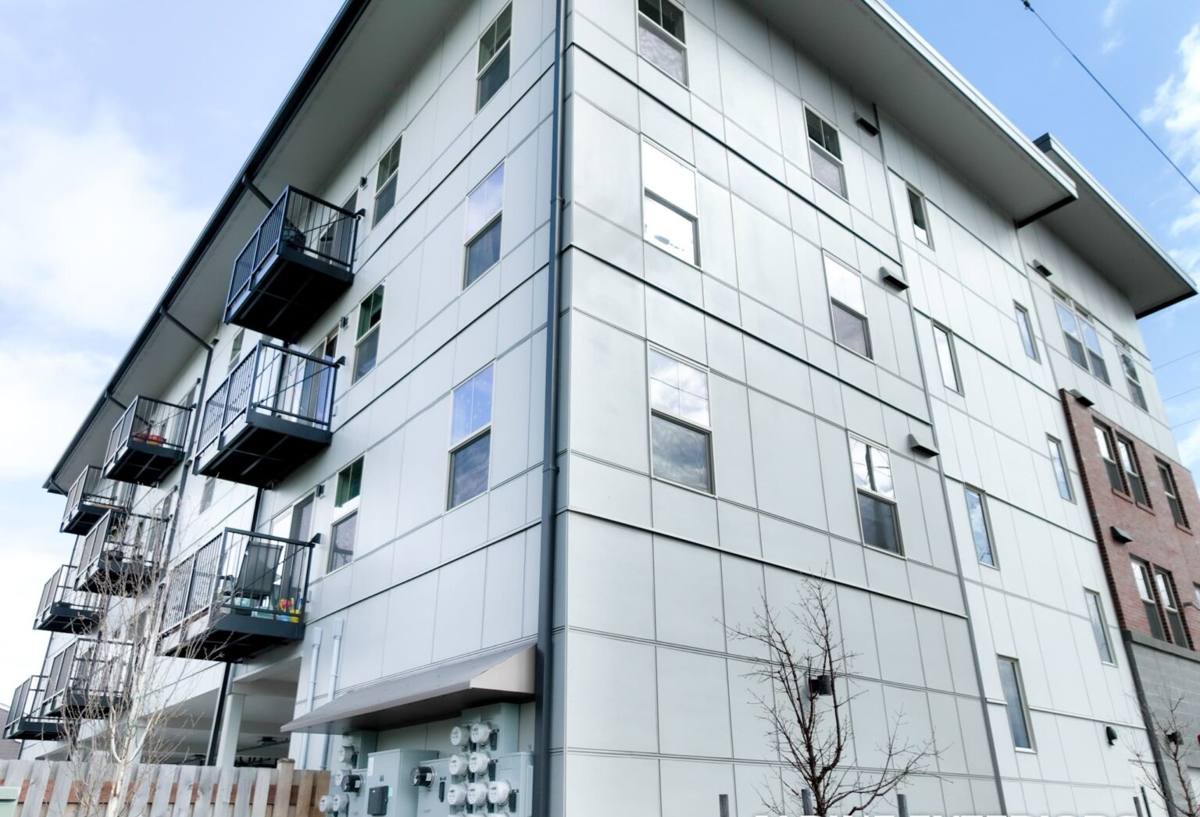
What Blaine's Climate Actually Does to Siding
It helps to be specific about the mechanisms at work, because "harsh weather" undersells what's actually happening on an exterior wall in this part of the county.
Salt Air and Corrosion
Proximity to Semiahmoo Bay and the Strait means airborne salt is a constant, low-level presence on siding, trim, and fasteners. Salt is hygroscopic — it pulls moisture out of the air and holds it against the surface it's sitting on. On materials that aren't built to handle that, this accelerates surface breakdown, corrodes exposed metal fasteners, and undermines paint adhesion over time.
Driving, Wind-Blown Rain
Blaine's exposure means rain rarely falls straight down. Wind pushes it laterally into wall assemblies, which puts far more stress on flashing details, seams, and butt joints than a sheltered inland lot ever sees. A siding system that isn't dimensionally stable, or that relies on caulked joints to stay weathertight, will find the gaps.
Moss, Algae, and Prolonged Dampness
Whatcom County's wet season keeps exterior surfaces damp for long stretches, and Blaine's marine exposure adds fog and condensation on top of straight rainfall. Moss and algae need sustained moisture to take hold, and once established on a porous or moisture-absorbent siding surface, they hold even more water against the wall — a cycle that's hard to break without addressing the material itself.
Why This Company Installs Only James Hardie
We get asked regularly why we don't offer vinyl, LP SmartSide, or other fiber cement brands as cheaper alternatives. The honest answer is that we've made a professional judgment call, and Blaine's climate is a big part of it. Vinyl siding can warp and become brittle with UV and temperature cycling, and its seams and J-channels give wind-driven rain more opportunities to find a way in. Wood-based composite products like LP SmartSide perform well in many climates but rely on factory treatment and careful field sealing of cut edges to resist moisture — a maintenance dependency we don't think makes sense on a coastal lot with this much sustained dampness. Other fiber cement brands may be chemically similar to Hardie, but we've standardized on one manufacturer so we can guarantee installation to a single, consistent spec, back it with one warranty structure, and know exactly how the product behaves over decades in this exact climate. James Hardie's HZ10 product line is engineered specifically for climates with higher moisture exposure, and its ColorPlus factory finish is baked on under controlled conditions rather than field-applied — both of which matter directly in Blaine.
What Correct Siding Installation Involves
The product is only half the equation. Fiber cement siding installed to spec and fiber cement siding installed carelessly age very differently, especially in a wind-and-salt environment. A correct installation includes:
- A weather-resistant barrier installed and lapped correctly behind the siding, with all penetrations sealed
- Rain screen or drainage gap detailing where the wall assembly calls for it, so incidental moisture can drain and dry rather than sit against the siding
- Proper fastener type, spacing, and embedment depth per Hardie's published installation instructions — under- or over-driven nails are one of the most common failure points we see on redos
- Correct clearance between siding and grade, decks, and roof lines to keep the bottom edge of the material out of standing water and splash-back
- Factory-mitered or properly caulked corners and butt joints, sized and gapped to allow for the material's minor expansion and contraction
- Flashing integrated at every window, door, and roof-to-wall transition — not caulk used as a substitute for flashing
Any one of these done wrong can undercut the performance of even a premium material. This is where a lot of the real-world difference between siding jobs actually comes from — not the brand on the box, but whether the crew installing it treated each of these details as non-negotiable.
Our Installation Process for Blaine Homes
Every job follows the same sequence, adjusted for the specifics of the house:
- Assessment: We walk the exterior, check existing siding and sheathing condition, and look specifically for signs of past moisture intrusion around windows, decks, and low-clearance areas — common trouble spots on Blaine's more exposed lots.
- Tear-off and sheathing check: Old siding comes off and we inspect the sheathing underneath. Any rot or soft spots get addressed before anything new goes on — covering up a problem is not an option.
- Weather barrier and drainage plane: A new weather-resistant barrier goes on with correct lapping, and we build in drainage detailing appropriate to the wall assembly and exposure.
- Flashing: Windows, doors, and any roof-to-wall intersections get flashed before siding installation begins.
- Hardie installation: Panels or lap siding go on per manufacturer spec — fastener pattern, gapping, and joint treatment all followed to the letter, not approximated.
- Trim, caulk, and touch-up: Factory-finished ColorPlus material means minimal field painting, which also means fewer places for water to find an unsealed gap down the road.
- Final walk-through: We review the finished work with the homeowner before calling the job done.
Comparing Siding Options for a Blaine Exposure
| Factor | Vinyl | Wood/Composite (e.g. LP SmartSide) | James Hardie Fiber Cement |
|---|---|---|---|
| Salt air resistance | Moderate; can chalk and become brittle over time | Depends on sealed edges and coating upkeep | Non-combustible, engineered for moisture exposure |
| Wind-driven rain performance | Seams and channels are potential entry points | Cut edges need field sealing to stay protected | Factory-finished, joints detailed for weathertightness |
| Moss/algae resistance | Low-maintenance but can trap moisture behind panels | Vulnerable if coating wears or edges are exposed | Dense material resists moisture absorption |
| Finish life | Color can fade; not repaintable easily | Field-painted finish needs periodic maintenance | ColorPlus factory finish holds color long-term |
| Warranty structure | Varies widely by manufacturer | Varies; often shorter on finish | Strong transferable warranty when installed to spec |
Cost Factors for a Blaine Siding Project
Every home is different, but the main variables that drive cost on a Blaine job are consistent:
| Factor | Why It Matters |
|---|---|
| Square footage and wall complexity | More corners, dormers, and cut lines mean more labor and material waste |
| Sheathing/substrate condition | Rot repair discovered during tear-off adds time and material before new siding can go on |
| Siding profile (lap, panel, shingle-style) | Different Hardie profiles have different material and labor costs |
| Trim and accessory scope | Corner boards, fascia, and window trim replacement add to the total |
| Access and exposure | Waterfront-adjacent lots and homes with limited access can affect staging and scaffolding needs |
We give firm, itemized numbers only after seeing the actual house — broad ranges without an on-site look aren't useful to anyone.
Signs a Blaine Home Needs New Siding Now
- Visible moss or algae growth that returns quickly after cleaning
- Soft spots, bubbling, or delamination on existing siding panels
- Paint that's failing faster than the typical repaint cycle, especially on wind-exposed walls
- Persistent moisture staining below windows or at butt joints
- Fasteners showing rust or corrosion streaks on the siding face
- Gaps at corners or trim that have opened up over time
Any of these on a Blaine property is worth a look sooner rather than later — coastal exposure tends to turn small problems into sheathing-level problems faster than a sheltered inland location would.
Why a Crew That Already Works Blaine Matters
Siding installation isn't one-size-fits-all across Whatcom County. A crew that mainly works sheltered Bellingham neighborhoods and treats a Blaine job the same way is missing the exposure differences that actually matter — drainage detailing, fastener choice, and flashing emphasis all shift when a wall faces open water and prevailing wind instead of a quiet inland street. Working this area regularly means we're not guessing at how a wall assembly needs to perform here; we've seen what holds up and what doesn't on homes with this exact exposure.
If you're weighing a siding project on a Blaine home, we're happy to take a look and walk you through what we'd recommend and why. Request a free, no-pressure estimate using the form below.