 Bellingham Siding
 Board & Batten Siding Built for York's Bellingham Climate
York is one of Bellingham's older, walkable neighborhoods, with a mix of early-1900s bungalows, craftsman-style homes, and newer infill construction sitting close to Bellingham Bay's weather patterns. Board & batten siding has become a popular choice here because it fits both the historic character of the older homes and the cleaner, more vertical lines favored in newer builds. But whatever the style, every board & batten job in this neighborhood has to survive the same conditions: salt-laden air rolling in off the water, long stretches of driving rain, and a moss season that can run most of the year. Siding that looks right on install day but wasn't built for that combination won't look right for long.
This page focuses specifically on board & batten siding for York homes — what the climate demands from it, what a correct installation actually involves, and why we only install it in James Hardie fiber cement.
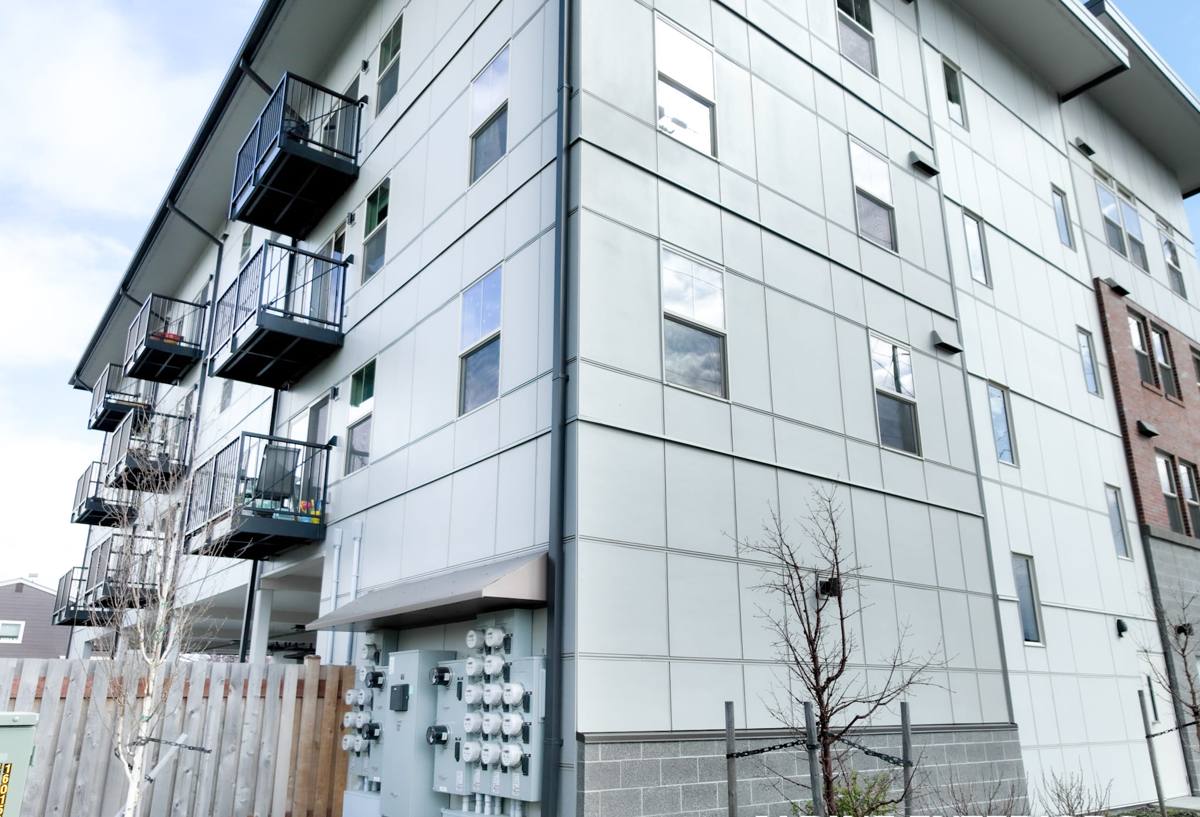
Why Board & Batten Fits York's Housing Stock
Board & batten reads as more architectural than standard lap siding — vertical lines, visible reveals, and a strong shadow pattern that works well on gable ends, porch accents, and full elevations alike. In York, we see it used two ways most often:
- As a full-elevation replacement on older homes that originally had wood siding, where the owner wants to keep a traditional look without the maintenance burden of real wood
- As an accent — gables, dormers, or a front-facing feature wall — paired with horizontal lap siding on the rest of the house
Both approaches work structurally the same way and face the same climate exposure, so the installation standards below apply to either.
What Bellingham's Weather Actually Does to Board & Batten Siding
Salt Air
Proximity to Bellingham Bay means airborne salt is a constant, low-grade factor on the exterior of every home in this part of Whatcom County. It doesn't damage fiber cement panels themselves, but it accelerates corrosion on the wrong fasteners and hardware, and it speeds up the breakdown of lower-grade paint finishes. Board & batten has more exposed fastening and trim than lap siding — more batten strips, more nail lines — so the fastener and finish specification matters more here than it does on a simpler siding profile.
Driving Rain
Storms off the Sound and the Strait tend to come with wind, which pushes rain sideways into wall assemblies instead of letting it run straight down. Board & batten's vertical battens create seams that, if not flashed and gapped correctly, can funnel water inward rather than shedding it. This is the single biggest factor separating a board & batten job that lasts decades from one that develops rot behind the battens within a few years.
Moss Season
Shade from mature trees, cooler temperatures, and near-constant moisture give moss and algae a long season to establish themselves — often nine months out of the year in this part of Washington. Moss holds water against the siding surface and, on the north and shaded sides of a home, can start showing up within a year or two on a product that isn't factory-finished to resist it.
Why We Install James Hardie — Not Vinyl or Wood Board & Batten
Board & batten is sold in several materials, and homeowners in York often ask us to compare them honestly. Here's how they hold up against this specific climate:
| Material | How it handles this climate | Where it falls short here |
|---|---|---|
| Vinyl board & batten | Low upfront cost, no repainting | Panels expand/contract with temperature swings, seams can gap under wind-driven rain, and it doesn't hold paint if a homeowner wants to change color later |
| Real wood board & batten | Authentic look, especially on older York homes | Highest maintenance burden of any option — repainting, caulking, and moisture monitoring on a recurring cycle to keep moss and rot from taking hold |
| James Hardie fiber cement | Non-combustible, engineered moisture resistance, factory-cured ColorPlus finish | Higher material cost than vinyl; requires correct installation to perform as engineered |
Fiber cement doesn't rot, doesn't feed moss the way wood fibers can, and doesn't warp or buckle the way vinyl can in temperature swings. James Hardie's ColorPlus factory finish is baked on under controlled conditions rather than field-painted, which matters directly for salt-air durability and for keeping color even across battens and panels that get different sun and shade exposure across a York lot. That's why we standardized on it and don't install the alternatives, even though we understand the appeal of a lower vinyl price tag or a traditional wood look.
What a Correct Board & Batten Installation Involves
Board & batten has more failure points than flat lap siding if it's rushed, because it depends on what's happening behind the boards, not just how they look from the street. A correct job includes:
Drainage Plane and Rainscreen Gap
A weather-resistant barrier goes on the wall sheathing first, and furring strips create a gap behind the siding so any moisture that gets past the battens can drain and dry instead of sitting against the wall. On a driving-rain coastline like Bellingham Bay, skipping this gap is the most common reason board & batten fails early.
Batten Spacing and Fastening
Battens need consistent spacing and a fastening pattern that accounts for panel expansion without over-driving nails, which can crack fiber cement or create entry points for water. Fastener material and coating need to be corrosion-resistant given the salt air, not just standard-grade.
Flashing at Every Transition
Windows, doors, roof lines, and horizontal trim all need proper flashing integrated with the drainage plane — not just caulked. Caulk is a backup, not a primary water management strategy, and it's the first thing to fail under repeated wet-dry cycling.
Corners and Terminations
Outside corners, inside corners, and the bottom termination near the foundation are where board & batten jobs most often get shortcut. Each needs proper trim, clearance off grade or hardscape, and a capillary break so water doesn't wick up into the bottom of the boards.
- Weather-resistant barrier installed and lapped correctly before any siding goes up
- Rainscreen gap behind battens for drainage and drying
- Corrosion-resistant fasteners appropriate for coastal exposure
- Flashing integrated at every window, door, and roofline transition
- Proper clearance at the bottom termination, away from soil and hardscape
- Factory-finished ColorPlus panels and battens, not field-painted substitutes
Our Process for a York Board & Batten Project
We run the same process on every board & batten job in this neighborhood, regardless of whether it's a full elevation or an accent wall:
- Assessment — we look at the existing wall assembly, check for hidden moisture or rot behind current siding, and evaluate sun/shade exposure that affects moss risk and finish choice
- Prep and tear-off — removal of old siding, repair of any damaged sheathing, and correct installation of the weather-resistant barrier and furring for the rainscreen gap
- Installation — Hardie panels and battens installed to manufacturer spec, with attention to fastening, flashing, and corner detail rather than just visual spacing
- Final walkthrough — we go over the finished work with the homeowner and confirm trim, caulking points, and touch-up before calling the job complete
Cost Factors for Board & Batten Siding in York
Board & batten typically costs somewhat more per square foot than flat lap siding because of the added trim and labor involved in the batten work. Rough cost drivers on a York project usually come down to:
| Factor | Why it affects cost |
|---|---|
| Full elevation vs. accent application | Full-wall board & batten involves more material and labor than a gable or feature-wall accent |
| Condition of existing wall assembly | Homes with hidden moisture damage from prior siding need sheathing repair before new siding goes on |
| Home height and accessibility | Two-story sections, steep gables, and tight side-yard access add labor time |
| Trim complexity | Older York homes with detailed window and porch trim take more time to flash and finish correctly |
| Batten reveal and spacing choice | Wider or custom spacing patterns change material takeoff and layout time |
We give exact numbers only after seeing the actual wall condition — anyone quoting a firm price over the phone without looking at the house is guessing.
Maintaining Board & Batten Siding in Bellingham's Climate
James Hardie board & batten is low-maintenance compared to wood, but "low-maintenance" isn't "no-maintenance" in a climate that grows moss nine months a year. A simple annual routine keeps it performing as designed:
- Rinse siding annually, focusing on shaded and north-facing walls where moss establishes first
- Keep landscaping trimmed back so battens get airflow and sunlight, especially near mature trees common in York's older lots
- Check caulking at trim and flashing points yearly and have gaps addressed before wet season
- Watch the bottom termination near grade for soil, mulch, or hardscape that's crept up over time and trap moisture against the siding
- Address any impact damage promptly rather than letting a cracked panel sit through a wet winter
Why It Matters That We Already Work in York
A crew that already works this neighborhood knows which walls take the worst of the wind-driven rain, which lots have heavy shade and moss pressure, and what the older housing stock in York tends to be hiding behind its original siding once you open it up. That's not something you learn from a spec sheet — it's from doing the work here repeatedly. It also means we're not guessing at how Whatcom County's coastal conditions interact with a board & batten installation; we're applying what we've already seen hold up and what we've already seen fail.
If you're considering board & batten siding for a home in York, we're glad to take a look and give you a straightforward, no-pressure estimate — no invented pricing, no pressure to sign on the spot, just an honest read on what your home needs.