 Bellingham Siding
 Window Replacement Built for Happy Valley's Climate
Happy Valley sits close enough to the water and the surrounding tree cover that its homes take a different kind of weather beating than houses further inland. Salt-laden air off the bay works into metal hardware and fasteners over time. Driving rain off Bellingham Bay finds any gap in flashing or sealant, especially on west- and south-facing walls. And the long, wet moss season here means anything that traps moisture against wood trim or a window frame is a problem waiting to happen, not a cosmetic one. When we replace windows in this neighborhood, we're not just swapping glass — we're rebuilding the seal between your house and everything Whatcom County weather throws at it for ten months of the year.
A window that was installed correctly for a drier climate, or installed quickly without attention to flashing and drainage, tends to show its age fast in a neighborhood like this. That's the gap we're hired to close.
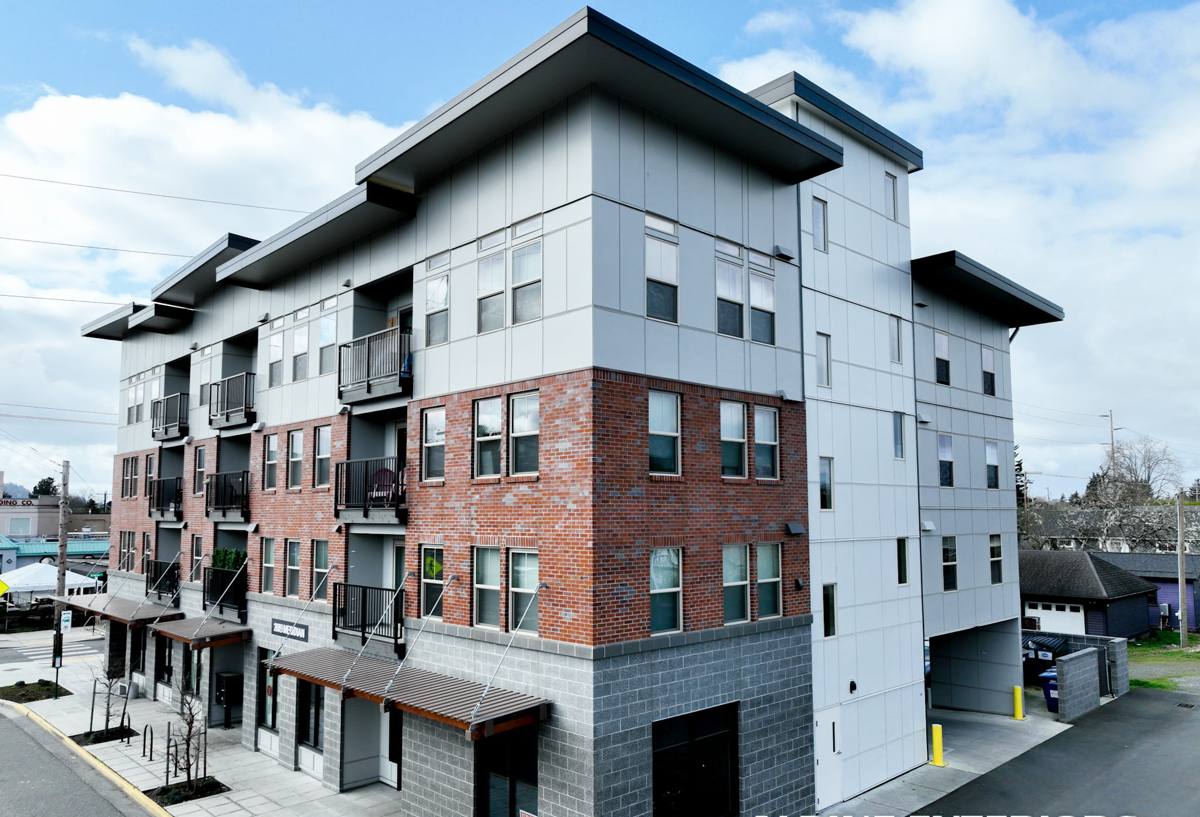
Signs Your Happy Valley Home Needs Window Replacement
Not every window problem means full replacement — sometimes it's a failed seal or hardware issue that can be repaired. But in this climate, certain signs point to the frame or glazing itself giving out, and waiting usually means the damage spreads into the wall framing around the window.
- Fog or condensation trapped between panes — the seal on the insulated glass unit has failed
- Soft or spongy wood at the sill or lower corners of the frame
- Visible gaps between the frame and siding, or daylight around the edges when the window is closed
- Windows that are hard to open, close, or lock — frames have swelled, warped, or racked out of square
- Noticeable draft or a cold radiating feeling near the glass even when it's closed
- Paint that keeps failing on the trim no matter how often it's redone
- Moss or dark staining building up on the sill or bottom rail every winter
- Higher heating bills without a clear explanation elsewhere in the house
If you're seeing two or three of these on the same window, it's worth having someone look at it before winter rains arrive again.
What a Correct Window Replacement Actually Involves
It's Not Just the Window Unit
The window itself is only part of the job. The bigger factor in how long a replacement lasts in this climate is what happens at the rough opening — the flashing, the moisture barrier, and how water that does get past the exterior finish is directed back out instead of into the wall.
- Removing the old unit and inspecting the framing and sheathing underneath for hidden rot before anything new goes in
- Installing proper flashing at the sill, jambs, and head — in that order, so each layer sheds water onto the one below it, never the reverse
- Integrating the window flashing with the house's existing weather-resistive barrier, not just caulking over the gap
- Setting the window level, plumb, and square, then securing it per the manufacturer's fastening schedule
- Insulating the gap between the frame and rough opening without overpacking it, which can bow the frame
- Sealing and trimming the exterior with materials rated for the exposure that window actually gets
Why Skipping Steps Shows Up Later, Not Right Away
A window installed without proper flashing can look fine for a year or two. The problem is what's happening behind the trim: water finding its way in during heavy rain, sitting there through a wet Whatcom County winter, and slowly rotting the framing. By the time it's visible from inside, the repair is bigger than a window job. That's the main reason we don't cut corners on the parts of the job nobody sees.
Frame and Glass Options for This Climate
There's no single "best" window for every home — it depends on your home's age, exposure, and budget. Here's how the common options stack up for a marine climate like Bellingham's.
| Frame Material | How It Handles This Climate | Maintenance |
|---|---|---|
| Vinyl | Doesn't rot or corrode; handles moisture well; can expand/contract with temperature swings | Low — occasional cleaning |
| Fiberglass | Very stable in wet, salt-air conditions; holds paint well if color changes are wanted later | Low |
| Wood (clad exterior) | Good insulator and classic look; exterior cladding protects the wood from direct weather exposure | Moderate — interior wood still needs periodic attention |
| Aluminum | Strong and slim-profile, but conducts cold and is more prone to corrosion near salt air over time | Moderate to high near the water |
For most Happy Valley homes we lean toward vinyl or fiberglass frames for their resistance to moisture and salt air, but a wood-clad window can be the right call on an older home where matching the original look matters. We'll walk through the honest trade-offs for your specific house rather than pushing one product line.
Glass Packages Worth Considering
Double-pane, low-E glass is the practical minimum for this climate — it cuts heat loss and reduces condensation risk on cold, damp days. Argon-filled units add a modest efficiency bump. Triple-pane is available but adds weight and cost that isn't always justified unless you're dealing with major road noise or a particularly exposed wall.
Our Process, Start to Finish
- On-site assessment — we look at each window from both sides, check for hidden moisture damage, and measure rough openings
- Honest recommendation — replacement, repair, or a mix, based on what we actually find, not a sales script
- Written estimate — clear pricing per window or per project, with product options explained in plain terms
- Scheduling — we plan around weather windows where possible, since flashing and sealing work best done dry
- Installation — old units out, framing inspected and repaired if needed, new units flashed and set correctly
- Cleanup and walkthrough — debris hauled off, hardware and locks checked with you before we consider the job done
What Window Replacement Typically Costs
Every home is different, but these are the factors that move the price the most on a Happy Valley project. We'll always give you specific numbers for your house — this is just to help you understand where your estimate comes from.
| Cost Factor | Why It Matters |
|---|---|
| Frame material | Vinyl is generally the most budget-friendly; wood-clad and fiberglass run higher |
| Window size and style | Custom shapes, larger picture windows, and multi-panel units cost more than standard sizes |
| Number of windows | Whole-house replacements bring a lower per-window cost than doing one or two at a time |
| Hidden framing repair | Rot found behind an old window adds labor and material before the new unit can go in |
| Access and site conditions | Second-story windows, tight side yards, or landscaping near the house can add time |
| Trim and finish work | Matching existing exterior trim or repainting disturbed siding adds to the scope |
Why a Local Happy Valley Crew Matters
A crew that regularly works in this specific part of Bellingham has already seen how the neighborhood's exposure — proximity to the water, tree cover, and prevailing weather patterns — affects window performance on homes like yours. That's not something you get from a national installer working off a generic spec sheet. We know which walls in this area tend to take the worst of the driving rain, what moss buildup usually means once we pull the trim, and how the housing stock in Whatcom County was typically built, which affects what we find once an old window comes out.
Being local also means we're not disappearing after the invoice clears. If something needs a warranty check or a follow-up adjustment a year or two down the road, we're still working in the same neighborhood and easy to reach.
Questions Worth Asking Any Contractor Before You Hire
- Do you inspect the framing before installing, and what happens if you find rot?
- What's your flashing and sealing method, specifically?
- Are you licensed and insured to work in Washington State?
- What warranty covers the installation labor, separate from the manufacturer's product warranty?
- Can you provide references from other homes in this area?
Permits and Local Considerations
Window replacement projects can be subject to permitting depending on the scope of the work, particularly if the rough opening size is changing or the work is part of a larger renovation. We handle that conversation with you up front so there are no surprises mid-project, and we build code-required elements — like egress sizing for bedroom windows — into the plan from the start rather than as an afterthought.
If your Happy Valley home has windows showing their age, we're happy to take a look and give you a straight answer about what's needed — no pressure, no upsell. Use the form below to request a free estimate, and we'll walk the property with you and talk through your options in plain language.