 Bellingham Siding
 Why Window Replacement in Columbia Isn't a Catalog Job
Columbia is one of Bellingham's older, established neighborhoods, with a mix of early-to-mid-century homes and newer infill sitting close enough to Bellingham Bay that salt-laden marine air reaches window frames year-round. Add Whatcom County's driving rain and a moss season that runs most of the year in the shade of mature trees, and you have a climate that's genuinely harder on windows than most parts of the country. A window that performs fine in a dry inland market can fail here in half the time if it isn't installed with this specific combination of moisture, wind-driven rain, and organic growth in mind.
That's the difference between a generic window swap and a job built for Columbia. The product matters, but so does the flashing detail, the sealant, and the crew's understanding of how water actually moves around a Whatcom County home over a wet winter.
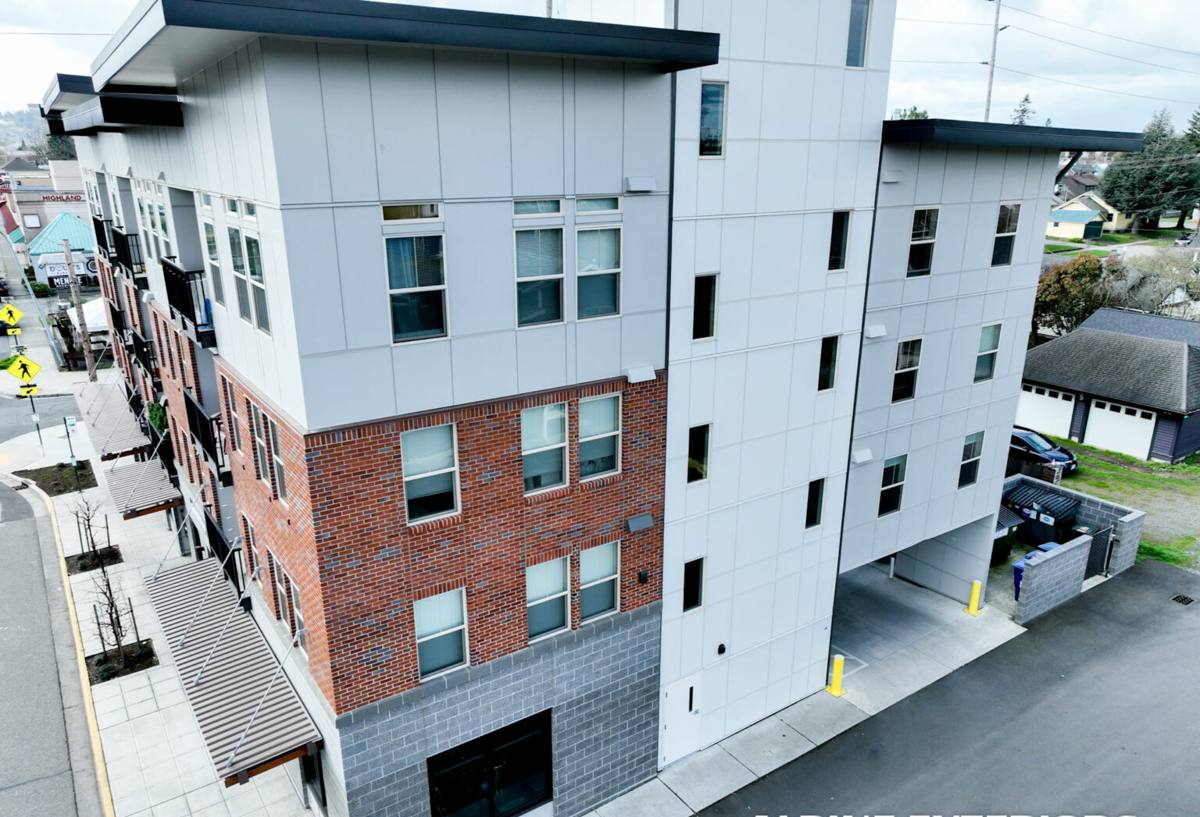
What Bellingham's Climate Does to Aging Windows
Most homeowners don't replace windows because they woke up wanting new ones — they replace them because the old ones started telling on themselves. In Columbia, the signs tend to show up in a fairly consistent pattern:
- Fogging or a hazy film between panes, meaning the seal has failed and the insulating gas has escaped
- Wood sills or jambs that feel soft, spongy, or show dark staining at the corners
- Windows that stick, won't stay open, or require force to latch — often from swollen wood or a warped frame
- Noticeable drafts or a cold zone near the window even with the heat running
- Condensation collecting on the inside of the glass through fall and winter
- Visible moss, algae, or black streaking on frames, sills, or tracks, especially on north- and west-facing walls
- Peeling or bubbling exterior paint around the window trim
- Single-pane glass in a home that's otherwise been updated
Any one of these is worth a look. Two or three together usually means the window and its surrounding frame are past the point where caulk and weatherstripping will fix the problem.
What a Correct Window Replacement Actually Involves
Setting a new window into an old opening looks simple from the outside, but the parts nobody sees are what determine whether it lasts five years or twenty-five in this climate.
Removal and Inspection
Every job starts with pulling the old unit and actually looking at what's behind it — the sheathing, the framing, and the sill. In older Columbia homes this is often where hidden rot turns up, usually from years of water finding a way past a failed seal. We flag it before we install, not after, so there are no surprises once the new window is in.
Flashing and Water Management
This is the step that matters most in a market with this much driving rain. Proper flashing tape and, where called for, a sloped sill pan direct water away from the framing instead of letting it pool at the bottom of the opening. Skipping or shortcutting this step is the single biggest reason window replacements fail early on the coast.
Air Sealing and Insulation
Low-expansion foam and backer rod around the frame close off air leaks without bowing the frame out of square, and an exterior sealant rated for a wet, UV-exposed climate finishes the job. Done right, this step is what actually delivers the energy savings homeowners are after.
Full-Frame vs. Insert Replacement
Not every Columbia home needs the same approach, and an honest contractor will tell you which one your house actually needs rather than defaulting to whichever is faster to install.
Insert (pocket) replacement fits a new window into the existing frame, leaving the exterior trim and siding undisturbed. It's faster, less invasive, and often the right call when the original frame is still sound and dry.
Full-frame replacement removes the window down to the rough opening, including the old frame and sill. It costs more and takes longer, but it's the only correct option when we find rot, when the opening needs to change size, or when the window style is changing enough that the old frame won't accommodate it. Installing an insert window over a damaged frame just buries the problem under a new sash — it doesn't fix it.
Choosing Materials for Salt Air and Driving Rain
Material choice matters more here than in a dry inland climate, because whatever you pick is going to spend years absorbing coastal moisture and, depending on the wall's exposure, moss and algae growth.
| Material | Moisture Resistance | Maintenance | Best Fit |
|---|---|---|---|
| Vinyl | Excellent — won't rot or corrode | Low; occasional cleaning | Most Columbia homes on a value-to-performance basis |
| Fiberglass | Excellent; very stable in temperature swings | Low | Homes wanting a stronger frame with a paintable finish |
| Wood-clad | Good if the cladding stays intact; interior wood needs protection | Higher; watch for cladding seam failure | Homeowners set on an interior wood look |
| Aluminum | Poor near salt air without upgraded finishes; prone to corrosion and condensation | Higher | Limited use; not our default recommendation this close to the bay |
We don't default to aluminum-framed replacement windows for homes this close to the water — not because the material is unusable everywhere, but because standard aluminum frames conduct cold and are more prone to condensation and corrosion in a salt-air environment, which shows up as maintenance headaches a few years down the road. For glass, a dual-pane unit with a low-E coating is the baseline we recommend for Whatcom County; triple-pane is worth discussing for north-facing rooms or homes right along a windy exposure.
Our Process, Start to Finish
- Free, no-pressure on-site assessment — we look at your existing windows, framing, and exposure before recommending anything
- Product and material selection based on your home's orientation, budget, and how exposed that wall is to weather
- Permit check — same-size replacements often don't require one, but any change in opening size or structure typically does, and we handle that paperwork when it's needed
- Install day — windows are removed and replaced one at a time so your home stays weather-tight through the process
- Flashing, sealing, and insulation installed to spec, not shortcut
- Final walkthrough so you can operate and inspect every window before we consider the job done
- Cleanup and haul-away of old materials
Why a Crew That Already Works in Columbia Matters
A contractor who's regularly in this neighborhood already knows the common window sizes and opening styles found in Columbia's older housing stock, which speeds up ordering and cuts down on surprises during install. They also know which walls in this area tend to take the worst of the driving rain and where moss builds up fastest on north-facing sills, so they can flag those spots for extra attention rather than treating every wall the same. And practically speaking, if a warranty question comes up after the install, a crew that's already working in Bellingham and Whatcom County can get back out to you far faster than a company driving in from out of the area for a single job.
Cost Factors to Expect
We don't post fixed prices because window replacement cost depends on real variables specific to your home, but these are the factors that move the number most:
| Factor | Why It Affects Cost |
|---|---|
| Number of windows | Per-unit cost drops somewhat with larger jobs |
| Insert vs. full-frame | Full-frame takes more labor and often more materials |
| Material and glass package | Fiberglass and triple-pane options cost more than baseline vinyl/dual-pane |
| Frame condition | Hidden rot found during removal adds repair work before install |
| Access and height | Second-story or hard-to-reach windows take more time and equipment |
| Trim or siding repair | Damaged trim around the opening may need replacement to finish the job right |
We'll walk you through which of these apply to your home during the estimate, so the number you get reflects your actual house rather than a generic average.
Keeping New Windows Performing Through Moss Season
New windows installed correctly will hold up well in this climate, but a little seasonal attention keeps them performing for the long run. Clear debris and moss out of window tracks and weep holes a couple of times a year so water has a clear path to drain rather than sitting against the frame. Keep nearby vegetation trimmed back from north- and west-facing windows, since shaded, damp walls are where moss and algae take hold fastest. Check exterior caulking annually for cracking or gaps, and make sure gutters and downspouts near windows are clear so splash-back isn't hitting the frame every time it rains.
If you're weighing whether it's time to replace the windows on your Columbia home, we're happy to take a look and give you a straight answer — including telling you if repair is a reasonable option instead. Reach out for a free, no-pressure estimate using the form below.