 Bellingham Siding
 Roofing on South Hill: A Different Set of Conditions
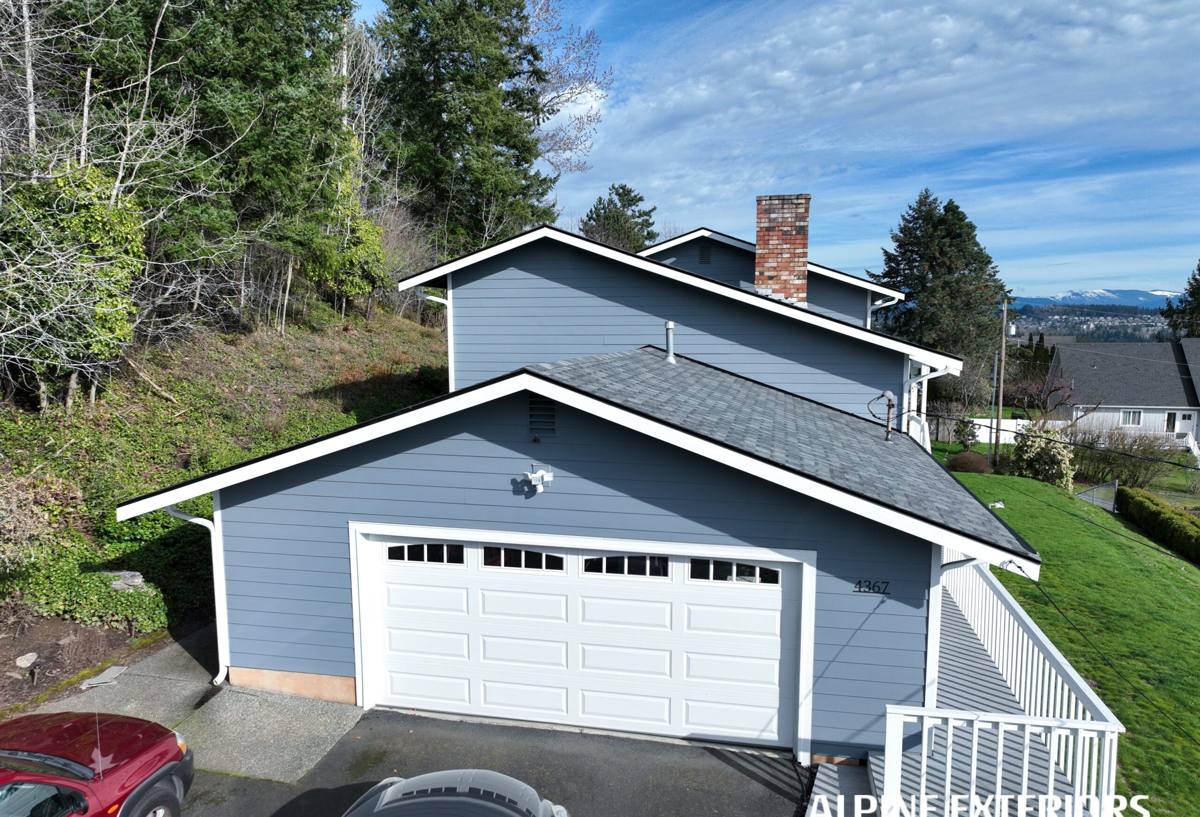
South Hill sits above downtown Bellingham on sloped, tree-shaded lots with views out toward Bellingham Bay — and that setting is exactly what makes roofs up here age differently than roofs on flatter, more open parts of Whatcom County. The elevation and exposure to marine air off the bay mean shingles and metal fasteners deal with a steady dose of salt-laden moisture. The tree canopy that gives the neighborhood its character also means more shade, more debris in the gutters, and more moss finding a foothold on north-facing slopes. Add in Bellingham's long, wet fall-through-spring stretch, and a roof here is doing more work than the manufacturer's spec sheet usually accounts for.
Many of South Hill's homes are older housing stock — well-built originals with additions, re-roofs, and repairs layered on over the decades. That history matters when it's time to replace a roof, because what's under the existing shingles is rarely a clean slate. A roof replacement done right here starts with understanding both the climate and the house, not just laying new material over old.
What Salt Air, Driving Rain, and Moss Season Actually Do
Salt Air
Bellingham Bay isn't the open ocean, but the salt content in the air is enough to accelerate corrosion on exposed metal — nails, flashing, valley metal, and vent stacks. Over years, that corrosion shows up as rust streaking, loosened fasteners, and flashing that no longer seals tight at roof penetrations.
Driving Rain
South Hill catches wind-driven rain that doesn't fall straight down — it gets pushed sideways under shingle tabs, around chimney flashing, and into any gap that a calmer climate roof could get away with. This is why underlayment quality and flashing detail work matter more here than in drier regions.
Moss Season
Shaded, north-facing roof planes under mature trees can stay damp for days at a stretch through the wet months. Moss and moisture-loving lichen take hold in those conditions, and once established they lift shingle edges, hold water against the roof deck, and shorten the life of the material significantly if left unaddressed.
Signs a South Hill Roof Needs Replacement, Not Another Repair
- Granule loss heavy enough that you're finding grit in the gutters every time it rains
- Shingles cupping, curling, or cracking, especially on south- and west-facing slopes
- Moss or moss stains established on shaded slopes that come back within a season of cleaning
- Rusted or lifted flashing around chimneys, skylights, and roof-wall intersections
- Daylight visible through the attic roof deck, or damp, discolored sheathing when the attic is checked
- Roof age past 20-25 years for asphalt composition shingle, with no major upgrades since install
- Repeated leak repairs in the same area — a sign the underlying material has reached the end of its service life
One or two of these on their own might mean a repair is enough. Several at once, especially on a roof that's already past the age where the manufacturer's warranty has real teeth, usually means repair costs start competing with replacement costs — and replacement gives you a clean start.
What a Correct Roof Replacement Involves
A roof replacement is more than swapping old shingles for new ones. On a South Hill home, each of these steps carries extra weight given the climate:
Full Tear-Off and Deck Inspection
We remove the existing roofing down to the deck rather than layering over it. That's the only way to actually see what years of moisture exposure have done — soft spots, rot, or delaminated plywood that need to be replaced before new material goes down. Skipping this step is how a new roof ends up failing from the inside out.
Underlayment Built for Wet Climates
Given how much wind-driven rain this area sees, we use synthetic or self-adhered underlayment products rated for the moisture load here, with extra ice-and-water shield protection at eaves, valleys, and anywhere water tends to concentrate.
Flashing Done Properly, Not Patched
New flashing at chimneys, skylights, sidewalls, and valleys — corrosion-resistant material, correctly lapped and sealed. This is where most leaks actually originate, and it's the detail that separates a roof that holds up in coastal weather from one that doesn't.
Ventilation That Matches the House
Balanced intake and exhaust ventilation keeps moist air from condensing in the attic, which matters year-round in a climate this humid. Poor ventilation shortens shingle life from underneath, regardless of how good the roofing material is on top.
Material Installed to Manufacturer Spec
Nailing pattern, exposure, starter course, and ridge detail all affect wind and water resistance. Installed correctly, a mid-grade shingle will outperform a premium shingle installed carelessly.
Choosing the Right Roofing Material for South Hill
There's no single "best" roofing material — the right choice depends on the home's roof pitch, tree exposure, budget, and how much long-term maintenance the homeowner wants to take on. Here's how the common options stack up for a shaded, coastal-influenced neighborhood like South Hill:
| Material | Moss & Moisture Resistance | Typical Lifespan | Maintenance | Relative Cost |
|---|---|---|---|---|
| Asphalt composition shingle (standard) | Moderate — needs periodic cleaning on shaded slopes | 20-25 years | Low to moderate | $ |
| Asphalt composition shingle (algae-resistant/impact-rated) | Good — copper-infused granules resist moss and staining longer | 25-30 years | Low | $$ |
| Standing seam metal | Excellent — sheds moisture, little for moss to grip | 40-50+ years | Very low | $$$ |
| Cedar shake | Poor without diligent upkeep — moisture-retentive, moss-prone | 20-30 years with maintenance | High | $$-$$$ |
We install algae-resistant architectural shingles on the majority of South Hill homes because they offer a strong balance of moss resistance, cost, and appearance without asking the homeowner to commit to a heavy maintenance routine. Metal roofing is a strong option for homeowners planning to stay in the home long-term and wanting to minimize moss and moisture concerns almost entirely — the tradeoff is upfront cost. We're generally cautious recommending cedar shake in heavily shaded settings like South Hill's tree-canopied lots; it can look great, but it demands consistent moss treatment and moisture management to hold up, and that's an honest maintenance conversation worth having before you commit to it.
Our Process for a South Hill Roof Replacement
- On-site assessment — we walk the roof and attic, check the deck condition where accessible, and note tree exposure, drainage patterns, and any existing moisture damage.
- Written estimate — clear scope, material options, and pricing, with no pressure to decide on the spot.
- Scheduling around the weather — we plan tear-off days with Bellingham's forecast in mind and keep the home dried-in if conditions shift mid-job.
- Tear-off and deck repair — old material removed, deck inspected, any damaged sheathing replaced before anything new goes down.
- Underlayment, flashing, and material installation — installed to manufacturer spec, with the moisture and wind detailing this climate calls for.
- Final walkthrough and cleanup — magnetic sweep for stray fasteners, debris hauled off, and a walkthrough so you know exactly what was done.
Permits, Older Homes, and Site Access on South Hill
Roof replacement in Bellingham typically requires a building permit, and we handle that process as part of the job. On South Hill specifically, two things come up more often than elsewhere in the city: older homes sometimes have roof framing or decking that doesn't match current code and needs attention during tear-off, and steep or tree-lined lots can affect how we stage material delivery and set up safety equipment. Neither is unusual for us — it's just part of planning the job correctly for this neighborhood rather than treating every roof the same.
Why Local Experience on South Hill Matters
A roofing crew that already works this part of Bellingham knows which slopes hold moss longest, how much wind-driven rain a given roof orientation actually takes, and what condition to expect from a deck of a certain age in this climate. That's not something you get from a general estimate — it comes from having replaced roofs on streets like these before. It also means fewer surprises mid-project: we're not guessing at how South Hill's tree cover, elevation, or older construction will affect the timeline or the scope.
We serve homeowners across Bellingham and Whatcom County, but South Hill's combination of shade, slope, and coastal exposure is specific enough that it rewards a contractor who treats it as its own case rather than a copy-paste of a flatter, sunnier neighborhood's roofing needs.
Get a Straight Answer on Your Roof
If your South Hill roof is showing moss, granule loss, or age, the best next step is a straightforward, no-pressure look at what's actually going on. We'll tell you honestly whether you're looking at a repair or a full replacement, walk through material options that make sense for your home's exposure, and give you a clear written estimate — no games. Use the form below to request your free estimate.