 Bellingham Siding
 Why Lynden Roofs Wear Differently Than You'd Expect
Lynden sits inland from Bellingham Bay, but it still lives inside the same marine-influenced weather system as the rest of Whatcom County. Winters here run long and wet, storms roll in off the Pacific with sustained, wind-driven rain, and the humidity rarely lets up for more than a few weeks at a stretch. On top of that, the mix of farmland, mature conifers, and shaded lot lines common around Lynden creates ideal conditions for moss and algae to take hold on a roof and stay there for most of the year.
None of this means a roof in Lynden needs to be exotic or over-built. It means the installation details that get skipped on an "easy" job in a drier climate are exactly the details that determine whether a roof here lasts its full service life or starts failing at year twelve instead of year twenty-five. Underlayment choice, flashing work, ventilation, and fastening all matter more when the roof is going to spend months at a time damp.
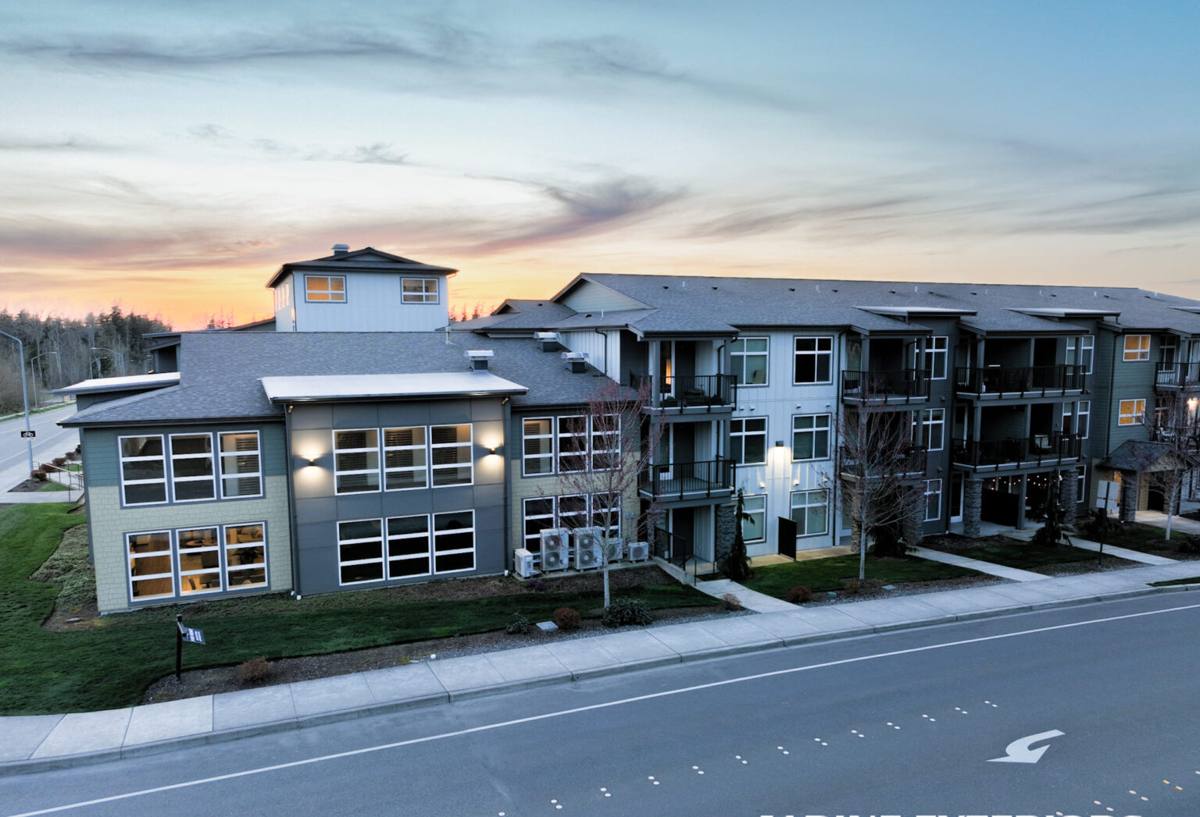
What a Correct Roof Installation Actually Involves
A new roof is more than laying shingles or panels over the old deck. The parts of the job that don't show up in a photo are usually the parts that decide whether the roof performs.
The Deck Comes First
Before anything new goes down, the roof deck needs to be inspected — not assumed. Soft spots, delaminated plywood, and rot around old flashing lines are common on roofs that have taken on driving rain for a couple decades. Any bad sheathing gets replaced before underlayment goes on. Installing new roofing over a compromised deck just hides a problem that will resurface, usually as a leak inside the house.
Underlayment and Ice-and-Water Barrier
In a climate with this much sustained rain, synthetic underlayment across the whole roof and self-adhering ice-and-water barrier at eaves, valleys, and around every penetration is not an upsell — it's the layer that actually keeps water out when wind drives rain up under the primary roofing material.
Flashing Details
Chimneys, skylights, sidewall intersections, and valleys fail more often at the flashing than at the field of the roof. Step flashing, counter-flashing, and properly lapped valley metal — installed in the correct order relative to the underlayment and roofing material — are what keep those transition points dry for the long term.
Fastening and Wind Exposure
Fastener pattern and nail placement matter more on a roof exposed to Pacific storm systems than the manufacturer's minimum spec might suggest. Matching the fastening schedule to the roof's actual wind exposure, not just the shingle wrapper instructions, is part of doing the job correctly the first time.
Choosing the Right Material for a Lynden Roof
There isn't one "best" roofing material for Whatcom County — there's a best material for a given roof's pitch, exposure, budget, and how much moss and moisture management the homeowner wants to take on. Here's how the common options compare for this climate specifically.
| Material | How It Handles Moss and Moisture | Maintenance Expectations | Typical Service Life |
|---|---|---|---|
| Architectural asphalt shingles | Good with proper ventilation and zinc/copper moss control; algae-resistant granules help | Periodic soft washing, gutter clearing, occasional moss treatment | 25-30 years |
| Standing seam metal | Excellent — smooth surface sheds moisture and resists moss growth | Very low; occasional inspection of seams and fasteners | 40-50+ years |
| Cedar shake | Requires the most active moisture management; moss and rot risk if not maintained | Regular treatment, cleaning, and inspection | 20-25 years with upkeep |
| Synthetic composite shake/slate | Good — engineered to resist moisture absorption better than natural wood | Low to moderate | 30-40 years |
We'll walk through these trade-offs honestly during your estimate rather than steering every homeowner toward the same product. A roof that's heavily shaded by fir trees calls for a different conversation than one that sits in full sun most of the day.
How Our New Roof Installation Process Works
Homeowners do better with a roof project when they know what's actually happening at each stage, not just "we'll be done by Friday." Here's the sequence we follow:
- Inspection and estimate — we assess the current roof, deck condition, ventilation, and any problem areas, and put the scope and pricing in writing.
- Tear-off — old roofing is removed down to the deck so it can be properly inspected rather than roofed over.
- Deck repair — any rotted or delaminated sheathing is replaced before moving forward.
- Underlayment and ice-and-water barrier — installed across the full roof, with extra protection at eaves, valleys, and penetrations.
- Flashing — new flashing is installed at chimneys, skylights, walls, and valleys.
- Roofing material installation — shingles, metal, or shake are installed to manufacturer spec and adjusted for local wind exposure.
- Ventilation check — intake and exhaust ventilation is balanced so the attic can actually dry out between wet stretches.
- Cleanup and walkthrough — the site is cleared of debris and nails, and we go over the finished roof with you before calling the job done.
Moss, Moisture, and Ventilation — the Part Most Roofs Get Wrong
Moss doesn't just sit on top of a roof looking bad. As it grows, it holds moisture against the roofing material and lifts shingle edges, which is exactly what shortens a roof's life in a climate that already sees a long wet season. A few things make the real difference over time:
- Balanced attic ventilation — enough soffit intake paired with ridge or roof-line exhaust so moisture from inside the house doesn't get trapped against the underside of the deck.
- Zinc or copper strips near the ridge, which release trace metal ions in the rain that inhibit moss and algae growth over the shingle field below.
- Keeping overhanging branches trimmed back so shaded sections of roof get more light and airflow.
- Clearing valleys and gutters regularly so water isn't sitting against the roof edge or backing up under the shingles.
- Avoiding pressure washing, which strips granules and shortens shingle life — soft washing is the safer approach for moss removal.
A roof that's installed with the right ventilation and moss-resistant details up front needs far less intervention later. That's the difference between a roof you maintain occasionally and one you're fighting every fall.
Signs Your Lynden Home May Need a New Roof
Roofs rarely fail all at once — they show warning signs first. Worth checking for, especially after a hard winter:
- Shingles that are curling, cracking, or missing granules in patches
- Heavy moss growth that comes back quickly after cleaning
- Dark streaking or staining that doesn't wash off
- Soft spots or noticeable sagging anywhere on the roof plane
- Daylight visible through the attic roof boards
- Water stains on interior ceilings or in the attic after a rainstorm
- Granules collecting in gutters or at the base of downspouts
- A roof that's approaching or past 20-25 years old, especially if it's never been re-roofed
Any one of these on its own might just mean a repair. Several together usually mean it's worth getting a straight answer on whether repair or replacement makes more sense for your situation.
What Actually Drives the Cost of a New Roof
Every roof is different, so we won't quote a number without seeing yours, but these are the factors that move the price up or down on most Lynden projects:
| Factor | Why It Matters |
|---|---|
| Roof size and pitch | More square footage and steeper slopes mean more material and labor time |
| Number of layers to remove | Tear-off of multiple old layers takes longer than a single-layer job |
| Deck condition | Rotted or delaminated sheathing found during tear-off adds repair cost |
| Material choice | Asphalt, metal, and shake carry very different material and labor costs |
| Roof complexity | Valleys, dormers, chimneys, and skylights add flashing work and time |
| Ventilation upgrades | Adding or correcting intake/exhaust venting is worth doing during a replacement |
| Accessibility | Steep sites or limited equipment access can add labor time |
We'll walk through each of these with you during the estimate so the final number makes sense rather than showing up as a surprise line item.
Why Hiring a Crew That Already Works in Lynden Matters
Roofing crews that mostly work in drier climates or unfamiliar regions tend to under-spec ventilation, skip ice-and-water barrier where it isn't strictly required by code, or use a fastening pattern that's fine somewhere else but marginal for Whatcom County's wind-driven rain. A crew that regularly works Lynden and the surrounding county knows the local permit process, has working relationships with suppliers who stock the underlayment and flashing details this climate calls for, and has already seen which shortcuts show up as callbacks two winters later.
That local experience also means faster turnaround when something needs attention after a storm, and a more realistic answer up front about what your specific roof — its pitch, its shade, its age — actually needs versus what's just an upsell.
Permits, Warranties, and What Happens After Installation
A full roof replacement in Whatcom County typically requires a building permit, and that inspection process is part of what confirms the job was done to code — not just something to get through. We handle the permit process as part of the job rather than leaving it to the homeowner.
On the warranty side, there are two separate things worth understanding: the manufacturer's material warranty, which covers defects in the shingles, metal, or shake itself, and the workmanship warranty, which covers the installation. Ask any contractor to explain both clearly and in writing before you sign anything.
Once the new roof is on, upkeep is minor but worth doing: clear gutters and valleys each fall, keep an eye on moss regrowth, and trim back branches that are shading the roof. A properly installed roof with balanced ventilation and moss-resistant details will need far less attention than most homeowners expect.
If you're weighing a repair against a full replacement, or just want an honest read on where your roof actually stands, we're happy to take a look. Reach out for a free, no-pressure estimate using the form below.