 Bellingham Siding
 New Roofs Built for Happy Valley's Weather, Not a Generic Spec Sheet
Happy Valley sits close enough to Bellingham Bay and the surrounding hills that homes here take a specific kind of weather beating: salty, moisture-laden air off the water, long stretches of driving rain through fall and winter, and shaded, damp rooflines that grow moss faster than almost anywhere else in Whatcom County. A roof that would hold up fine in a drier inland climate can start failing early here if it wasn't installed with these conditions in mind. We install roofs specifically for this neighborhood's exposure, not a one-size-fits-all approach borrowed from a different climate zone.
A new roof is one of the largest investments a homeowner makes in a house, and it's also one of the easiest to get wrong in ways that don't show up for years. The felt or synthetic underlayment, the flashing details around valleys and penetrations, the ventilation balance in the attic, and the fastener quality all matter more here than in milder climates, because salt air accelerates corrosion and constant moisture punishes any weak point in the system.
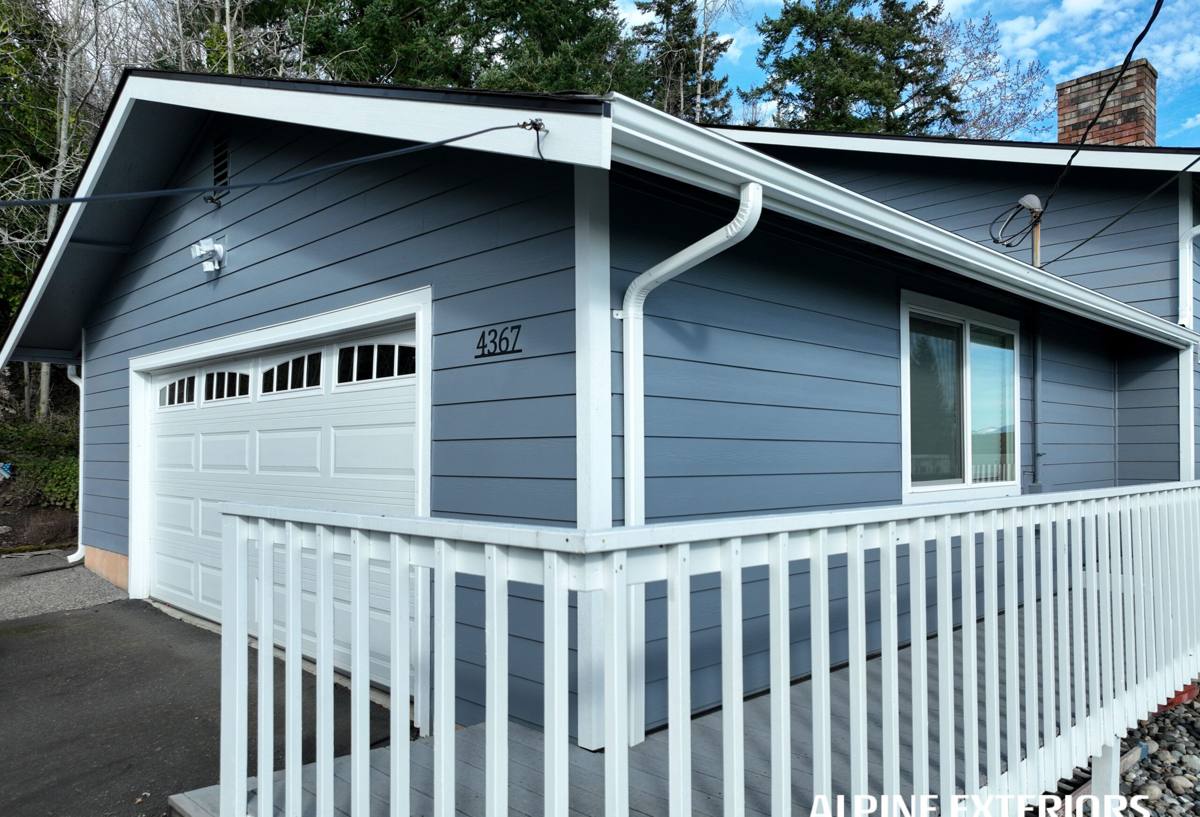
What Happy Valley's Climate Actually Does to a Roof
Salt Air and Corrosion
Proximity to Bellingham Bay means airborne salt settles on roofing metal, fasteners, and flashing over time. Standard galvanized fasteners and lower-grade flashing can start showing corrosion years before they would inland. We spec fastener and flashing materials with better corrosion resistance for homes in this exposure, which costs a little more up front but avoids premature flashing failure and rust staining down the line.
Driving Rain and Wind-Driven Water
Bellingham's winter storms don't just drop rain straight down — wind pushes it sideways and up under shingle tabs, around chimneys, and into valleys. A roof that's only "watertight" in calm conditions isn't enough here. Correct underlayment coverage, properly lapped flashing, and valley details built for wind-driven water are what actually keep a Happy Valley attic dry through a real winter storm, not just a light shower.
Moss and Constant Shade
Many lots in and around Happy Valley have mature tree cover, which is part of the neighborhood's character but also means roofs stay damp longer after every rain. Moss doesn't just look bad — it lifts shingle edges, holds moisture against the roof deck, and shortens the life of the roofing material underneath it. A new roof installation is the right time to address moss-prone areas directly, through material choice, ventilation, and detailing, rather than leaving the next moss problem baked in from day one.
What a Correct New Roof Installation Actually Involves
A roof is a system, not a single layer of shingles. Skipping or shortcutting any one part of the system is usually where the early failures come from. Here's what we consider non-negotiable on every install:
- Full tear-off and deck inspection — we don't roof over existing layers; every deck gets inspected and any soft or damaged sheathing gets replaced before anything new goes down.
- Ice-and-water shield in vulnerable areas — valleys, eaves, and roof-to-wall transitions get self-adhering waterproof membrane, not just standard felt.
- Full synthetic or felt underlayment coverage — the second line of defense if wind ever drives water past the shingles themselves.
- Properly lapped step and counter-flashing — around chimneys, skylights, and sidewalls, installed in the correct sequence with the underlayment, not caulked on as an afterthought.
- Balanced intake and exhaust ventilation — so the attic can dry out between rain events instead of staying damp, which also protects the underside of the new roof deck.
- Corrosion-resistant fasteners and flashing — matched to the home's exposure, especially important for anything within a few miles of the bay.
- Drip edge at eaves and rakes — a small detail that's frequently skipped and one of the most common causes of fascia rot later.
Choosing Materials for This Neighborhood
There's no single "best" roofing material for every home — the right choice depends on the home's roof pitch, tree cover, budget, and how long the homeowner plans to stay in the house. Here's how the common options actually compare for a moss-prone, salt-air, high-rain environment like Happy Valley:
| Material | Moss Resistance | Salt Air / Corrosion | Typical Lifespan | Notes |
|---|---|---|---|---|
| Architectural asphalt shingle | Moderate (better with algae-resistant granules) | Good with quality flashing/fasteners | 25–30 years | Most common choice; wide style and color range |
| Standing-seam metal | Excellent — sheds moss and debris | Very good with coated, corrosion-resistant panels | 40–50+ years | Higher upfront cost, minimal long-term maintenance |
| Basic 3-tab shingle | Lower — thinner profile holds moisture longer | Fair | 15–20 years | Lowest upfront cost, shortest service life here |
| Synthetic composite/slate-look | Good | Good | 40–50 years | Premium appearance, higher material cost |
For most Happy Valley homes under heavy tree cover, we lean toward architectural shingles with algae-resistant granules or standing-seam metal, depending on budget and how much long-term maintenance the homeowner wants to take on. We'll walk through the honest trade-offs for your specific roof rather than pushing one product line.
Our Process, Start to Finish
1. On-Site Assessment
We inspect the existing roof, attic ventilation, decking condition, and any trouble spots — valleys, chimneys, skylights, areas with heavy moss or shade — before quoting anything. This is also when we talk through material options based on your home's specific exposure.
2. Written, Itemized Estimate
You get a clear breakdown of material, labor, and any deck repair contingencies, so there are no surprise change orders mid-project. We explain what's included and why, in plain language.
3. Tear-Off and Deck Repair
Full removal of the old roofing, disposal, and replacement of any damaged sheathing found during tear-off — this is usually the point where hidden moisture damage gets discovered, and we'll show you what we find before proceeding.
4. Underlayment, Flashing, and Ventilation
This is where roofs actually succeed or fail long-term. We install ice-and-water shield, full underlayment coverage, and properly sequenced flashing, and confirm intake/exhaust ventilation is balanced for the attic.
5. Roofing Installation
Shingles, metal panels, or composite material installed to manufacturer specification, with corrosion-resistant fasteners appropriate for the bay-adjacent exposure.
6. Final Walkthrough and Cleanup
We walk the property with you, check gutters and downspouts for debris from the job, and do a magnetic sweep for stray nails before we consider the job done.
Cost Factors Homeowners Should Understand
Roof pricing varies enough by home that broad national averages aren't very useful. The real drivers on a Happy Valley project are usually:
- Roof size and number of facets (complex rooflines with multiple valleys cost more than simple gable roofs)
- Existing deck condition — hidden rot found during tear-off adds material and labor
- Material choice — asphalt shingle versus metal versus composite
- Roof pitch and accessibility — steep or hard-to-access roofs require more safety setup and labor time
- Ventilation upgrades needed to correct an under-ventilated attic
We provide itemized, written estimates so you can see exactly what's driving the number, rather than a single lump-sum figure.
Why Hiring a Crew That Already Works Happy Valley Matters
A roofing crew that regularly works this specific area already knows which details matter here: how far the salt air exposure extends inland from the bay, which streets tend to have heavier moss buildup from tree cover, and how Whatcom County's permitting and inspection process works for reroofing projects. That familiarity means fewer surprises during the job and a roof spec that's actually matched to your home's real conditions, not a generic template.
We also stand behind our work with clear warranty terms on both materials and labor, explained in plain language before the job starts — not buried in fine print you find out about later.
Signs Your Happy Valley Home May Need a New Roof
- Shingles that are cupping, curling, or missing granules
- Heavy moss growth that keeps returning after cleaning
- Daylight visible through the attic roof deck
- Soft spots or sagging when walking the roofline (viewed from the ground)
- Water stains on interior ceilings, especially near valleys or chimneys
- A roof approaching or past 20–25 years old (for asphalt shingle) with no major upgrades
If you're seeing one or more of these signs, it's worth getting an assessment before a small problem becomes a deck-level repair.
If you're weighing a new roof for your Happy Valley home, we're happy to walk the property, answer questions honestly, and put together a written estimate with no pressure to commit on the spot. Use the form below to get started.