 Bellingham Siding
 Fiber Cement Siding for Columbia's Waterfront Conditions
Columbia sits close enough to Bellingham Bay that its homes deal with a mix of weather most inland neighborhoods don't: salt-laden air drifting off the water, driving rain that comes in sideways during winter storms, and long stretches of gray, damp weather that keep siding wet for days at a time. That combination is hard on exterior materials. Wood siding absorbs moisture and rots from the inside out. Vinyl chalks and warps in the salt air. Cheaper composite panels swell at the edges once water finds a seam. We install James Hardie fiber cement siding on Columbia homes because it's built to hold up to exactly this kind of climate, and we install it the way Hardie's own specifications call for, not the shortcut version.
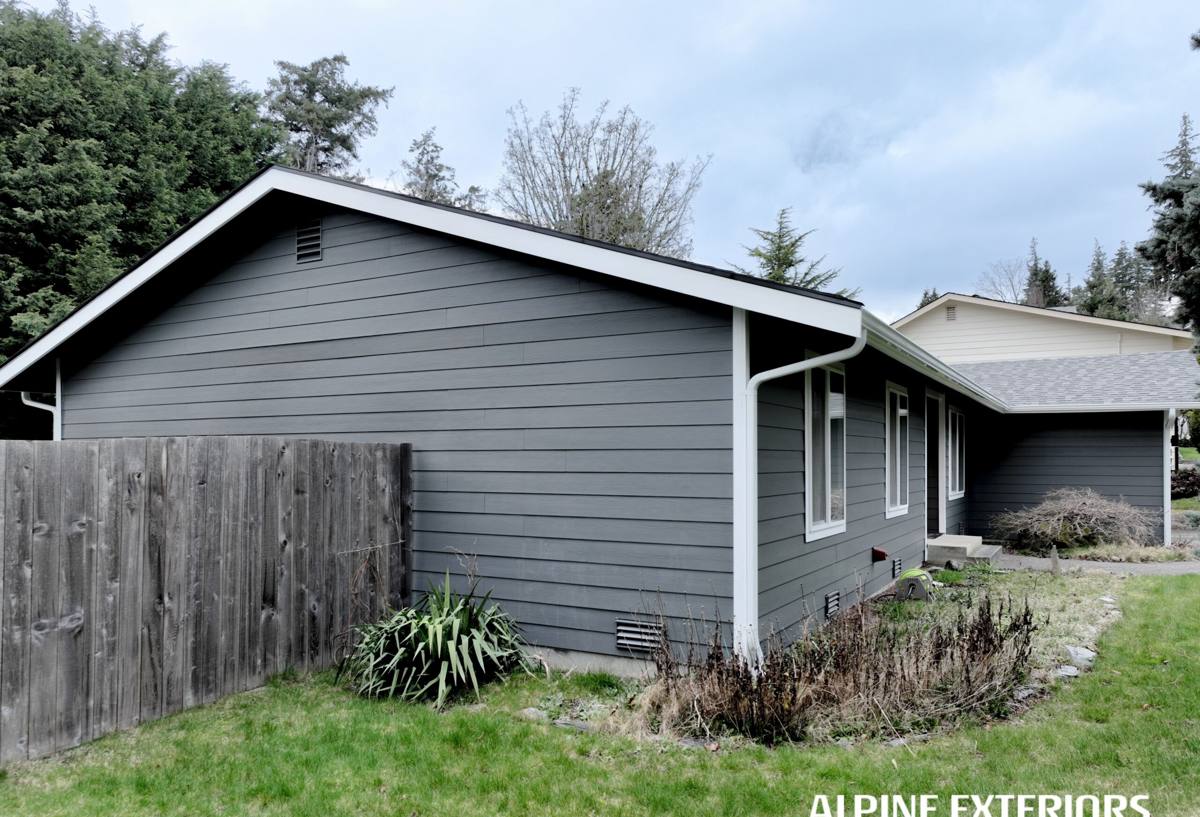
What Whatcom County's Coastal Climate Does to Siding
Bellingham gets over 35 inches of rain in a typical year, and Columbia's proximity to the water adds salt exposure and near-constant humidity into the mix. A few specific stressors matter most for siding decisions in this neighborhood:
Salt Air and Corrosion
Airborne salt accelerates corrosion on fasteners, flashing, and trim. Cheap or mismatched metal components rust faster near the bay, and once flashing starts to fail, water gets behind the siding where you can't see it. This is one of the biggest reasons material choice and installation detailing matter more here than they would 20 miles inland.
Driving Rain
Wind-driven rain doesn't just fall on siding, it pushes against it and works its way into any gap, unsealed joint, or poorly lapped panel. Siding on the west and south-facing walls of Columbia homes takes the brunt of this, and it's usually where we find the worst damage on older homes.
Moss and Persistent Moisture
Whatcom County's moss season runs long, often eight months or more of the year, especially on shaded walls and north-facing exposures. Moss and algae hold moisture directly against the siding surface, which is a serious problem for wood and a cosmetic one for most other materials. It's a maintenance factor every Columbia homeowner should plan around regardless of what siding is on the house.
Why We Only Install James Hardie Fiber Cement
We don't install LP SmartSide, vinyl, Cemplank, Allura, primed spruce, or cedar. That's not a marketing position, it's a standard we've held ourselves to because of what we see when we tear old siding off Whatcom County homes. Wood and engineered-wood products depend on paint and caulk staying intact to keep moisture out, and in a climate this wet, that maintenance window closes faster than most homeowners expect. Vinyl doesn't rot, but it flexes, fades, and can crack in cold snaps, and it was never engineered specifically for coastal Pacific Northwest exposure. Other fiber cement brands exist, but James Hardie engineers its HardieZone products specifically for regional climate demands, backs them with a factory-applied ColorPlus finish, and offers a strong transferable limited warranty. When we put our name behind a job, we want a product with a track record that matches the conditions it's going on.
What Hardie Gets Right for This Climate
- Non-combustible fiber cement core that doesn't feed a fire the way wood-based products can
- Engineered moisture resistance that doesn't depend on a perfect paint job to perform
- ColorPlus factory finish, baked on and warrantied separately from field-applied paint
- HZ5 formulation, engineered for climates with prolonged moisture and freeze-thaw cycling
- A transferable limited warranty that matters if the home changes hands
Choosing the Right Hardie Product Line
Not every Hardie product fits every wall. Part of doing this job correctly is matching the plank profile, exposure, and finish to what the home actually needs, especially on a lot with mixed sun and shade exposure, which is common in Columbia's mature, tree-lined blocks.
| Product | Best Use | Why It Fits Columbia Homes |
|---|---|---|
| HardiePlank Lap Siding | Primary wall siding, most home styles | Widest color and texture range, proven performance in wet coastal exposure |
| HardieShingle | Accent gables, Craftsman and cottage-style homes | Matches the character of older Columbia housing stock without wood's maintenance burden |
| HardiePanel | Modern or mixed-material facades | Clean vertical lines, works well paired with trim accents |
| HardieTrim | Corners, window and door surrounds | Resists the moisture intrusion that rots wood trim first |
What a Correct Installation Actually Involves
Fiber cement siding is only as good as the installation behind it. This is where most of the failures we see on older Columbia homes actually started, not with the siding material itself, but with shortcuts taken underneath it.
Water Management Comes First
Before a single plank goes up, the wall needs a correctly lapped weather-resistant barrier, properly integrated flashing at every window, door, and penetration, and a drainage plane that lets any water that does get behind the siding find its way back out. In a neighborhood dealing with driving rain off the bay, this layer matters more than the finish coat.
Fastening and Gapping
Hardie siding needs to be fastened per manufacturer spec, at the right depth, into solid framing, with corrosion-resistant fasteners appropriate for coastal exposure. Panels need proper gapping at butt joints and terminations so the material can handle seasonal movement without cracking the caulk line or trapping water.
Caulking and Sealant Details
Every joint, seam, and trim intersection is a potential entry point for wind-driven rain. We use sealants rated for exterior, high-moisture use, and we don't rely on caulk to compensate for a flashing detail that was skipped.
Field-Cut Edge Sealing
Any time a Hardie plank is cut on site, the exposed edge needs to be sealed before installation. Skipping this step is one of the most common corner-cuts in the industry, and it's one of the fastest ways to void a warranty and let moisture into a cut edge.
Our Process for Columbia Jobs
- On-site assessment of existing siding, sheathing condition, and moisture damage, with particular attention to west and south exposures
- Product and profile selection matched to the home's style and sun/shade exposure
- Full tear-off and inspection of sheathing, replacing any rotted or compromised material before re-siding
- Installation of a correctly lapped weather barrier and flashing system at every penetration
- Hardie plank, panel, shingle, or trim installation to manufacturer fastening and gapping specifications
- Final detailing: caulking, touch-up paint on field cuts, and a walkthrough before we consider the job done
What This Kind of Job Costs
Every home is different, and final pricing depends on square footage, how much of the existing wall assembly needs repair, trim complexity, and product selection. Broadly, the cost factors that move the number most are below. We give firm, itemized quotes after an on-site assessment, not a phone estimate.
| Cost Factor | Why It Matters |
|---|---|
| Sheathing condition | Rotted sheathing found during tear-off has to be replaced before new siding goes on |
| Home size and wall complexity | More corners, gables, and cutouts mean more labor and material waste |
| Product line and profile | Shingle and specialty trim details cost more than straight lap siding |
| Existing siding removal | Full tear-off of old wood or vinyl adds labor versus a bare-wall install |
| Access and site conditions | Mature landscaping, tight lot lines, and multi-story walls affect scaffolding and staging |
Living With Hardie Siding in Columbia
One of the advantages of ColorPlus fiber cement is how little upkeep it actually needs compared to wood, but "low maintenance" doesn't mean "no maintenance," especially with Whatcom County's moss season working against you year-round.
- Rinse siding annually to remove salt residue and organic buildup, especially on shaded or north-facing walls
- Keep gutters clear so overflow doesn't run down the siding face and feed moss growth
- Trim back vegetation and tree limbs that keep walls shaded and damp longer than they need to be
- Inspect caulk lines and trim joints once a year, particularly after a hard winter storm season
- Address any impact damage or cracked caulk promptly rather than letting it sit through a wet season
Why Hiring a Crew That Already Works Columbia Matters
A contractor who's worked this neighborhood before already knows which exposures take the worst weather, how mature landscaping affects access and moisture retention, and what the older housing stock in the area tends to be hiding behind its existing siding. That familiarity shows up in fewer surprises once tear-off starts and a more accurate estimate up front. It also means a crew that isn't guessing about how Bellingham's coastal microclimate should shape flashing and drainage details, because they've already done that work on the street over.
If you're weighing a siding replacement on a Columbia home, we're happy to walk the property, take a real look at what's under the existing siding, and put together a straightforward, no-pressure estimate for James Hardie fiber cement done right. Use the form below to get started.