 Bellingham Siding
 Roof Repair in Fairhaven Means Building for the Weather You Actually Have
Fairhaven sits close to Bellingham Bay, and that location shapes what a roof in this neighborhood has to put up with year after year. It isn't just "Pacific Northwest rain" in the abstract — it's salt-laden air coming off the water, rain that comes in sideways during winter storms instead of falling straight down, and a shade-and-moisture pattern that keeps moss and moisture active on roofs for most of the year. A repair that works fine on a roof twenty miles inland can fail early here if it doesn't account for those conditions. We work on roofs in and around Bellingham regularly, and Fairhaven's mix of coastal exposure and mature tree cover makes it one of the more demanding micro-climates in Whatcom County for roofing.
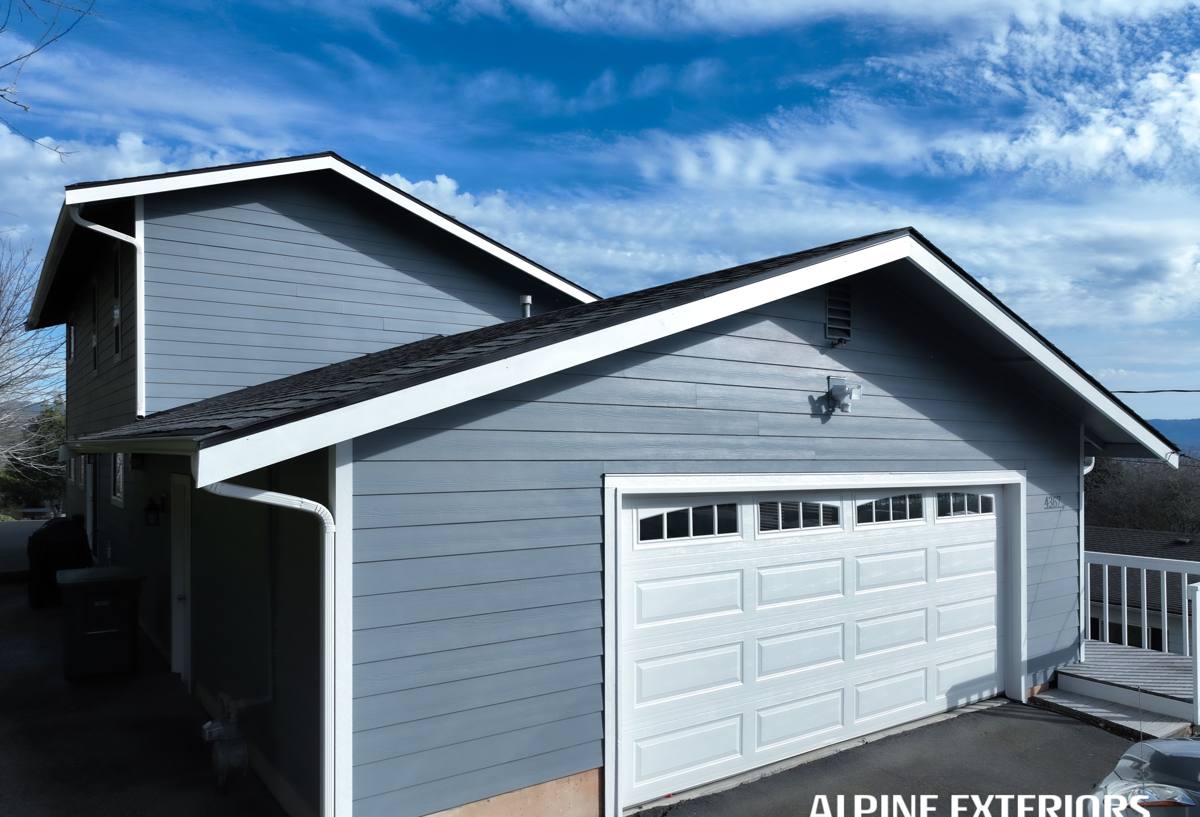
What Salt Air, Driving Rain, and Moss Actually Do to a Fairhaven Roof
Salt Air and Metal Fatigue
Airborne salt accelerates corrosion on exposed metal — flashing, fasteners, gutter hardware, and any exposed nail heads. On a roof further from the water, a repair using standard fasteners might last decades without issue. Close to Bellingham Bay, the same fasteners can start showing surface corrosion years sooner, which eventually leads to small gaps around nail penetrations and, over time, water finding its way underneath shingles or panels.
Wind-Driven Rain Finds the Weak Points
Straight-down rain is forgiving. It sheds off a roof the way the roof was designed to shed it. Wind-driven rain isn't forgiving — it gets pushed sideways and even slightly upward under wind pressure, which means it can work its way past shingle edges, under flashing laps, and into valleys that would otherwise stay dry. Fairhaven's exposure to weather coming off the water means driving rain is a regular event, not an occasional one, so repairs here need to seal against wind-pushed water, not just gravity-fed runoff.
Moss Season Is Longer Here Than Most Homeowners Realize
Shaded, moisture-retaining roof sections — north-facing slopes, areas under tree canopy, spots that don't get much direct sun — stay damp longer in this climate, and moss doesn't need much encouragement once it gets a foothold. Moss holds moisture against roofing material, lifts shingle edges as it grows, and can hold water at butt joints and fastener lines long after the surrounding roof has dried out. Left alone, it turns small maintenance issues into repair jobs, and repair jobs into replacement decisions.
Signs a Fairhaven Roof Needs Repair, Not Just a Wait-and-See Approach
Homeowners often notice a problem well before they act on it, usually because the signs seem minor at first. In this climate, minor signs tend to escalate faster than people expect. Watch for:
- Moss or dark streaking concentrated on shaded or north-facing roof sections
- Granules collecting in gutters or at downspout outlets
- Curling, lifted, or missing shingles, especially near ridges and edges
- Rust staining or visible corrosion around flashing, vents, or exposed fasteners
- Water stains on interior ceilings, especially after a windy rainstorm rather than a calm one
- Soft or spongy spots when walking the roof, which usually mean the decking underneath has absorbed water
- Daylight visible through the roof deck from inside an attic or crawlspace
- Gutters pulling away from the fascia or overflowing during heavy rain
Any one of these on its own might be a small fix. Several at once, or any sign paired with an active interior leak, usually means the damage has already spread past the visible surface.
What a Correct Roof Repair Actually Involves
A repair that's done right isn't just patching the spot that's visibly leaking. Water rarely enters where it shows up — it travels along the underlayment or decking before finding a gap to drip through, so the visible stain is often several feet from the actual failure point. A proper repair process looks like this:
- Find the real source. This means inspecting the roof itself, not just the ceiling stain, and tracing water paths along flashing, valleys, and penetrations until the actual entry point is confirmed.
- Assess what's underneath. Once shingles or panels are pulled back, we check the decking and underlayment for rot, delamination, or saturation. Surface repairs over compromised decking don't hold.
- Replace damaged material, not just the visible layer. That can mean cutting out and replacing sections of decking, not only swapping shingles.
- Rebuild flashing and transitions correctly. Most leaks in this climate happen at transitions — valleys, chimneys, skylights, wall intersections — so flashing gets rebuilt to shed wind-driven rain, not just standing water.
- Match materials for wind and moisture exposure. Fasteners, underlayment, and sealants are chosen for a coastal, high-moss environment, not generic mid-grade materials.
- Clean and treat surrounding moss growth. A repair next to an active moss bed will get undermined again quickly if the moss isn't addressed at the same time.
Repair or Replace? An Honest Look at the Factors
Not every roof problem calls for a full replacement, and not every roof is a good candidate for another round of patching. The right call usually comes down to a handful of factors:
| Factor | Leans Toward Repair | Leans Toward Replacement |
|---|---|---|
| Age of roofing material | Well within its expected service life | At or past the age where materials naturally start failing broadly |
| Extent of damage | Isolated to one section or penetration | Recurring leaks in multiple, unrelated areas |
| Decking condition | Solid, dry, and sound under the affected area | Soft, rotted, or saturated decking found in more than one spot |
| Moss and growth history | First occurrence, caught early | Long-term, widespread moss with visible lifting across multiple slopes |
| Cost pattern | One repair addresses the issue for the foreseeable future | You've paid for repairs on this roof more than once in recent years |
We'll tell you honestly which side of this table your roof falls on. A repair that's likely to fail again within a year or two isn't a favor to anyone — it just delays a bigger decision and adds cost along the way.
Materials and Methods We Use for Fairhaven Repairs
Material choice matters more here than in a drier, inland climate. For fasteners and flashing, we favor corrosion-resistant options over standard-grade hardware, since salt air will find the weak point in cheaper metal faster than most homeowners expect. For underlayment, synthetic options that hold up under prolonged moisture exposure are worth the modest upfront cost difference — a repair is only as good as what's underneath the visible surface, and that layer takes the brunt of any wind-driven rain that gets past the outer material.
We also treat moss control as part of the repair, not a separate add-on. Removing moss without addressing why it's growing there — poor airflow, overhanging branches, a shaded slope that never fully dries — just means it comes back. Where it makes sense, we'll talk through simple, low-cost changes (trimming back overhanging limbs, improving attic ventilation) that reduce how quickly moss re-establishes itself.
Our Process, From First Call to Finished Repair
We keep the process straightforward because homeowners dealing with a leak don't need extra complexity added on top of it:
- A roof inspection to find the actual source of the problem, not just the visible symptom
- A plain-language explanation of what's causing it and what's involved in fixing it correctly
- A written estimate that separates repair scope from any replacement recommendation, if one applies
- Work scheduled around Bellingham's weather windows, since roof repairs need dry conditions to do properly
- A finished repair that matches the surrounding roof as closely as possible, both in material and appearance
We don't upsell a repair into a replacement to make a bigger sale, and we don't patch over a problem that needs more attention just to keep the job small. You get a straight answer about which one your roof actually needs.
Why a Crew That Already Works Fairhaven Matters
Roofing crews that mostly work drier or more sheltered parts of Whatcom County don't always default to coastal-grade materials and methods unless they're asked. A crew that regularly works in Fairhaven and along Bellingham Bay already knows to plan for wind-driven rain angles, salt exposure on metal components, and a moss season that runs longer than it does even a short distance inland. That local familiarity shows up in the details — how flashing gets lapped, which fasteners get used, how much attention goes to shaded slopes — and those details are exactly what determines whether a repair lasts five years or fifteen.
It also means faster, more accurate assessments. When you've seen how a particular type of roof in this specific setting tends to fail, you spend less time guessing and more time fixing the actual problem.
If you're dealing with a leak, visible moss buildup, or a roof that's just due for an honest look, we're happy to come take a look and give you a straightforward, no-pressure estimate. Use the form below to get started.