 Bellingham Siding
 Roof Replacement for Edgemoor Homes
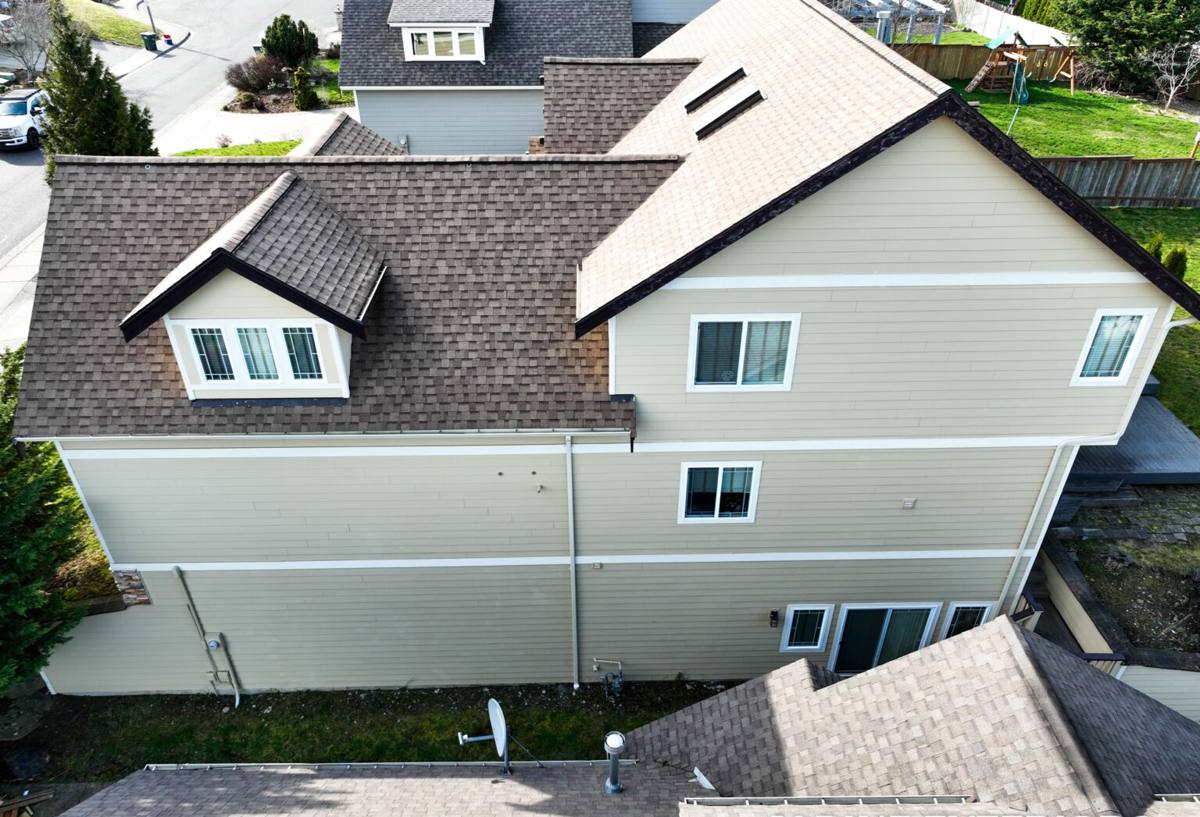
Edgemoor sits close enough to Bellingham Bay that its homes take on a different kind of weather than houses further inland in Whatcom County. Salt-tinged air off the water, driving rain that comes in sideways during winter storms, and long stretches of shaded, damp ground under mature trees all add up to roofing conditions that punish a roof faster than a dry climate ever would. If you're planning a roof replacement in Edgemoor, the job needs to account for that from the first inspection through the final ridge cap.
This page covers what a roof replacement actually involves here, what tends to go wrong with roofs in this specific area, and how we approach the work as a crew that's already spent time on Edgemoor roofs.
Why Edgemoor Roofs Wear Differently
Salt Air and Metal Fasteners
Proximity to saltwater accelerates corrosion on exposed metal — nails, flashing, vent boots, and any hardware that isn't rated for coastal exposure. On a lot of older Edgemoor homes, the original roofing was installed with standard fasteners that weren't built for salt exposure over decades. By the time a roof is due for replacement, it's common to find corrosion at flashing points well before the shingles themselves have failed.
Driving Rain and Wind-Driven Water
Storms coming off the water don't just drop rain straight down — they push it sideways, under laps and into seams that would stay dry in a calmer climate. That means underlayment, flashing details, and edge protection matter more here than in a lot of the country. A roof that's technically "up to code" but built with minimum-spec underlayment is more likely to see water intrusion during a hard blow.
Moss, Shade, and Moisture Retention
Edgemoor's tree cover is part of what makes the neighborhood attractive, but it also means a long moss season on north-facing slopes and shaded roof planes. Moss holds moisture against the roofing material, works its way under shingle tabs, and can lift edges over time. Combined with our regional damp season running roughly October through April, roofs here need better ventilation and drainage design than a roof going on a house in a dry, sunny climate.
Signs a Replacement — Not a Repair — Is the Right Call
- Granule loss heavy enough that you can see bare asphalt on multiple slopes, not just one worn patch
- Shingles that are cupping, curling, or cracking across large sections rather than isolated spots
- Repeated leaks in different locations each winter, even after patch repairs
- Visible sagging in the roof deck, especially on north-facing or heavily shaded planes
- Flashing that's rusted, separated, or was never properly integrated at chimneys, skylights, or wall intersections
- A roof at or past the manufacturer's expected service life for its material and this climate
- Persistent moss or algae growth that keeps returning after cleaning
One or two of these on their own might point to a targeted repair. Several at once, especially on a roof that's already 20+ years old, usually means the underlying materials are failing broadly and a repair would just be delaying the inevitable.
What a Correct Roof Replacement Includes Here
Tear-Off and Deck Inspection
A full tear-off to the deck is standard practice for a proper replacement — it's the only way to actually see the condition of the sheathing underneath. In a damp climate like ours, hidden deck rot from years of slow moisture intrusion isn't unusual, especially around old flashing points or areas that have held moss. Any soft or delaminated decking gets replaced before new roofing goes down; skipping this step just buries a problem under new materials.
Underlayment Built for Wind-Driven Rain
Given how much sideways rain this area sees, we don't treat underlayment as an afterthought. Ice-and-water shield or a comparable self-adhering membrane at eaves, valleys, and roof penetrations gives an extra layer of protection where wind-driven water is most likely to find a way in, backed by a synthetic underlayment across the rest of the deck.
Flashing Rated for Coastal Exposure
Flashing at chimneys, skylights, sidewalls, and vent penetrations gets installed — or replaced — with materials and fasteners that hold up to salt air exposure, not the cheapest option available. This is one of the areas where corners get cut on budget jobs, and it's exactly where Edgemoor roofs tend to fail first.
Ventilation and Moss Resistance
Proper intake and exhaust ventilation keeps the roof deck drier and reduces the conditions moss needs to take hold. On shaded slopes we'll also talk through options like zinc or copper strips near the ridge, which help suppress moss regrowth over time without chemical treatments that need reapplying every year.
Final Details
Drip edge, starter strip, proper nailing pattern for our wind exposure, and ridge ventilation get finished to manufacturer spec — not shortcuts that technically pass inspection but won't hold up over the roof's expected life.
Material Options and How They Handle This Climate
| Material | Typical Lifespan Here | How It Handles Salt Air & Moss | Considerations |
|---|---|---|---|
| Architectural Asphalt Shingle | 25–30 years | Good with proper ventilation; algae-resistant granule options help slow moss/algae growth | Most cost-effective; wide color range; requires periodic moss cleaning on shaded slopes |
| Standing Seam Metal | 40–50+ years | Sheds moisture fast, very moss-resistant; needs marine-grade or coated fasteners near the coast | Higher upfront cost; quieter than people expect with proper underlayment; longer-term value |
| Synthetic/Composite Shingle | 30–40 years | Resists moisture absorption well; less prone to curling than asphalt in damp shade | Higher material cost than asphalt; fewer local installers means longer lead times on materials |
| Cedar Shake | 20–30 years with upkeep | Attractive but requires real maintenance to resist moss and rot in a wet, shaded climate | Highest maintenance burden here; we'll walk through this honestly if you're considering it |
There's no single "best" material for every Edgemoor home — it depends on your roof's exposure, shade coverage, budget, and how long you plan to own the house. We'll walk through the real trade-offs for your specific roof rather than pushing whatever has the best margin.
Our Process for an Edgemoor Roof Replacement
- On-site inspection. We look at the deck condition, existing flashing, ventilation, and slope exposure — not just the shingles from the ground.
- Written estimate. A clear scope of work and cost breakdown, so you know exactly what's included before any work starts.
- Material selection. We go over options suited to your home's shade, exposure, and budget, with honest pros and cons for each.
- Scheduling around weather. Given our rain patterns, we plan tear-off and dry-in around forecast windows to minimize the time your roof deck is exposed.
- Tear-off and deck repair. Full removal, deck inspection, and replacement of any compromised sheathing.
- Installation to spec. Underlayment, flashing, ventilation, and roofing material installed to manufacturer and code requirements — not shortcuts.
- Final walkthrough. We review the completed roof with you before calling the job done.
Why a Crew That Already Works Edgemoor Matters
Edgemoor's mix of mature tree canopy, proximity to the bay, and a range of home ages from older construction to more recent builds means every roof here has its own combination of shade exposure, salt exposure, and slope conditions. A crew that's already worked on roofs in this specific area has a feel for where moss tends to collect, which flashing details fail first in wind-driven rain, and how much ventilation a given roof plane actually needs — rather than applying a generic approach and hoping it holds up.
We're a Bellingham-based crew working across Whatcom County, and Edgemoor's coastal, tree-shaded conditions are part of what we plan for on every estimate here — not a surprise we discover mid-job.
What Affects Your Roof Replacement Cost
- Roof size and complexity (number of slopes, valleys, dormers, penetrations)
- Current deck condition and whether sheathing replacement is needed
- Material choice (asphalt, metal, synthetic, or cedar)
- Accessibility — steep pitch, tree cover, or limited equipment access can affect labor time
- Existing flashing and ventilation condition, and how much needs upgrading versus replacing
- Permit requirements and any code-driven upgrades triggered by a full replacement
We don't quote roofs sight-unseen or over the phone — every estimate is based on an actual look at your roof so the number you get reflects the real scope of work.
Get a Straight Answer on Your Edgemoor Roof
If your roof is showing its age — moss that keeps coming back, granule loss, leaks after every hard rain — it's worth getting an honest look before another wet season sets in. We'll tell you plainly whether you need a full replacement or if a repair still makes sense. Reach out for a free, no-pressure estimate using the form below.