 Bellingham Siding
 Building Decks for Blaine Homes Near the Water
Blaine sits about as close to the Salish Sea as a Whatcom County property can get, and that changes what a deck has to survive. Homes here deal with a mix that inland Bellingham properties don't see as heavily: salt-laden wind off Semiahmoo Bay and Drayton Harbor, near-constant winter drizzle, and a moss season that can run eight months out of the year. A deck built to a generic spec sheet will show its age fast out here — fastener corrosion, slick surfaces, and rot at the ledger board are the three things we get called out for most on older Blaine decks.
We're a Bellingham-based crew that already works this corridor regularly, so we're not learning Blaine's microclimate on your project. We know which details matter more this close to the water and which corners get cut on decks that don't last.
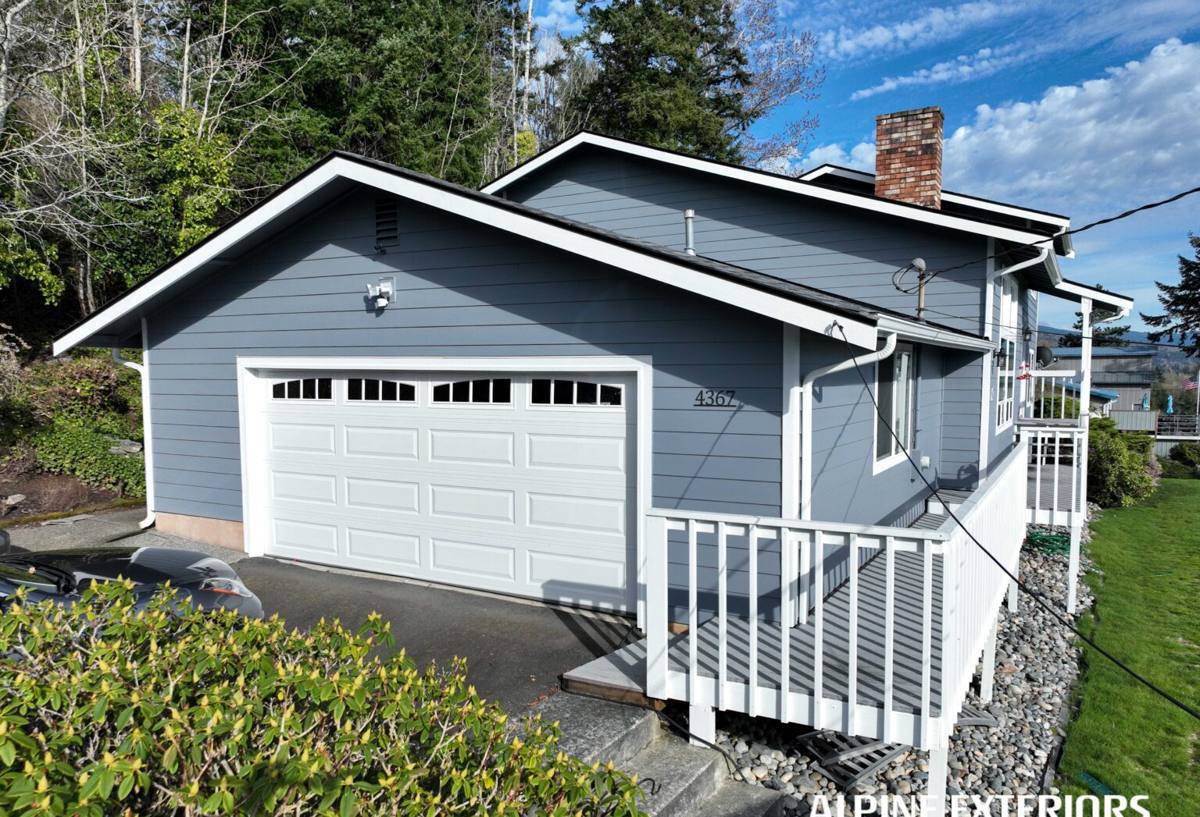
What Blaine's Climate Actually Does to a Deck
Salt Air and Metal Fasteners
Airborne salt accelerates corrosion on any exposed metal — screws, joist hangers, bolts, flashing. On a deck a mile or two from the water, standard electro-galvanized hardware can start showing rust streaks within a couple of seasons. That's not a defect in the wood; it's the fastener failing first and staining everything around it.
Driving Rain and Standing Water
Whatcom County rain doesn't fall straight down most of the year — wind off the water pushes it sideways, which means it gets up under railings, into end grain, and behind ledger boards that weren't flashed correctly. Decks with poor drainage or flat, low-pitch decking hold water in the grain long after the rain stops, which is exactly the condition rot needs.
Moss, Algae, and Slick Surfaces
Shaded decks, or ones under tree cover, stay damp long enough for moss and algae to take hold on almost any decking material if it's not treated or textured for it. Beyond looking bad, a mossy deck surface is a genuine slip hazard, especially on stairs — something we specifically plan for in board selection and layout for Blaine jobs.
What a Correct Deck Build Involves Here
A deck that holds up in this environment isn't built differently in a dramatic way — it's built more carefully at the points that matter. That means:
- Proper ledger board flashing where the deck attaches to the house, so wind-driven rain can't track behind it into the wall structure
- Stainless steel or heavy-duty coated structural fasteners and joist hangers, not standard galvanized, anywhere close to the water or under heavy tree cover
- Correct board spacing and slight surface pitch so water sheds off the deck instead of pooling
- Footings and posts set below frost depth and away from standing water paths, with post bases that keep wood off wet concrete
- Ventilation underneath the deck so the framing can dry out between rain events instead of staying damp all winter
- Material choice matched to sun/shade exposure — a heavily shaded deck needs a different surface strategy than one in full sun
Decking Material Choices for a Blaine Property
There's no single "best" decking material — the right call depends on your budget, how much maintenance you want to do, and how much shade and salt exposure the deck actually sees. Here's how the common options actually compare in this climate, in plain terms:
| Material | How it handles Blaine's climate | Maintenance | Rough lifespan |
|---|---|---|---|
| Pressure-treated lumber | Affordable and structurally solid, but needs sealing to resist moisture absorption and moss growth | Annual cleaning/sealing recommended | 15–20 years with upkeep |
| Cedar | Naturally rot- and insect-resistant, ages to a silver-gray if left unfinished; still needs cleaning in shaded/mossy spots | Periodic cleaning, optional staining | 20–25 years with care |
| Composite decking | Doesn't absorb water like wood, resists rot; textured composites handle moss/algae better than smooth boards | Occasional washing, no sealing/staining | 25–30+ years, manufacturer-warrantied |
| PVC decking | Fully synthetic, essentially immune to rot and moisture absorption; can be slicker when mossy if not textured | Low — periodic washing | 25–30+ years, manufacturer-warrantied |
For decks under heavy tree cover or close to the water, we generally steer clients toward composite or PVC with a textured, slip-rated surface — not because wood is a bad product, but because the maintenance burden of keeping a shaded wood deck moss-free and sealed every year is more than most homeowners want to keep up with. If you want the look and feel of real wood and are willing to maintain it, cedar is the strongest natural option we install.
Fasteners and Hardware — Don't Skip This
This is the detail that gets overlooked most often on lower-bid deck jobs. Standard galvanized screws and hangers are rated for general use, not for salt-air exposure. On Blaine builds we spec stainless or marine-grade coated hardware for structural connections — it costs more upfront but it's the difference between hardware that lasts the life of the deck and hardware that's staining your beautiful new boards with rust within a few years.
Railings, Stairs, and Slip Safety
Railings and stair treads take the most direct weather exposure on any deck and also carry the most safety responsibility. In a climate with this much rain and moss potential, we pay particular attention to:
- Stair tread material and texture — smooth boards on stairs are a real slip risk once algae sets in
- Railing post attachment — this is a structural connection that has to be done correctly, not just cosmetically fastened
- Baluster spacing and cap rail drainage so water doesn't sit in horizontal surfaces along the railing
- Any glass or cable railing systems get spec'd with corrosion-resistant hardware given the salt air
Our Process for a Blaine Deck Project
1. On-Site Assessment
We walk the site, look at sun/shade exposure, drainage patterns, and how close the location is to salt air influence. If it's a rebuild, we also check the existing ledger and framing for hidden rot before quoting anything.
2. Design and Material Selection
We talk through decking material, railing style, and layout based on how you'll actually use the space and how much upkeep you want long-term — not just what looks good in a brochure.
3. Permitting
Deck permitting requirements vary by size, height, and whether it's attached to the structure. We handle the permit process for jobs that require it so you're not chasing paperwork.
4. Build
Footings, framing, flashing, decking, and railing — done in that order with inspections at the structural stages that need them.
5. Final Walkthrough
We walk the finished deck with you, cover basic care for whatever material you chose, and make sure everything is solid before we call it done.
What to Check Before Hiring Anyone for Deck Work in Blaine
- Do they carry proper licensing and insurance for structural work in Washington?
- Will they pull permits when the project requires it, or are they suggesting you skip that step?
- Do they specify fastener grade and flashing details in writing, or just "decking and railing" as a line item?
- Have they actually built decks in this specific area, or is this their first project this close to the water?
- Do they explain material trade-offs honestly, or just push whatever they have the best margin on?
Maintenance That Actually Extends a Deck's Life Here
Whatever material you choose, a few habits make a real difference in a climate like this: keep gutters and downspouts clear so runoff isn't dumping onto or near the deck, sweep leaves and debris off the surface before they trap moisture, and do an annual check of railing connections and stair treads for looseness. Wood decks need re-sealing on a schedule; composite and PVC decks mainly just need periodic washing to keep moss and pollen from building up in the texture.
Why a Local Crew Matters for This Job
Deck building isn't exotic work, but building one that holds up specifically in Blaine's environment — salt air, driving rain, extended moss season — takes judgment calls that a crew unfamiliar with this corridor won't always get right. We're already working throughout Whatcom County and Bellingham, so the material choices, hardware grade, and drainage details we spec for a Blaine deck come from what we've actually seen hold up and what we've seen fail here, not from a generic checklist.
If you're planning a new deck or need to replace one that's showing its age, we're happy to come take a look and give you a straight assessment — no pressure, no sales script. Request a free estimate using the form below and we'll get back to you.