 Bellingham Siding
 Windows Built for the Columbia Neighborhood's Climate
The Columbia neighborhood sits close enough to Bellingham Bay and Whatcom Creek that its homes take a specific kind of weather beating: salt-laden air off the water, long stretches of driving rain in fall and winter, and a moss season that seems to start earlier and last longer every year. Windows are one of the first parts of a house to show that wear. Old aluminum-frame windows fog up between the panes, wood sashes swell and stick, and gaps around the frame let cold, damp air sneak in no matter how much the furnace runs. Replacing those windows with properly installed, energy-efficient units solves more than a comfort problem — it closes off a major point of moisture entry into the wall assembly, which matters a lot in a climate this wet.
This page covers what an energy-efficient window job should actually involve for a home in this part of Bellingham, what to expect from our process, and why the installation details matter as much as the glass itself.
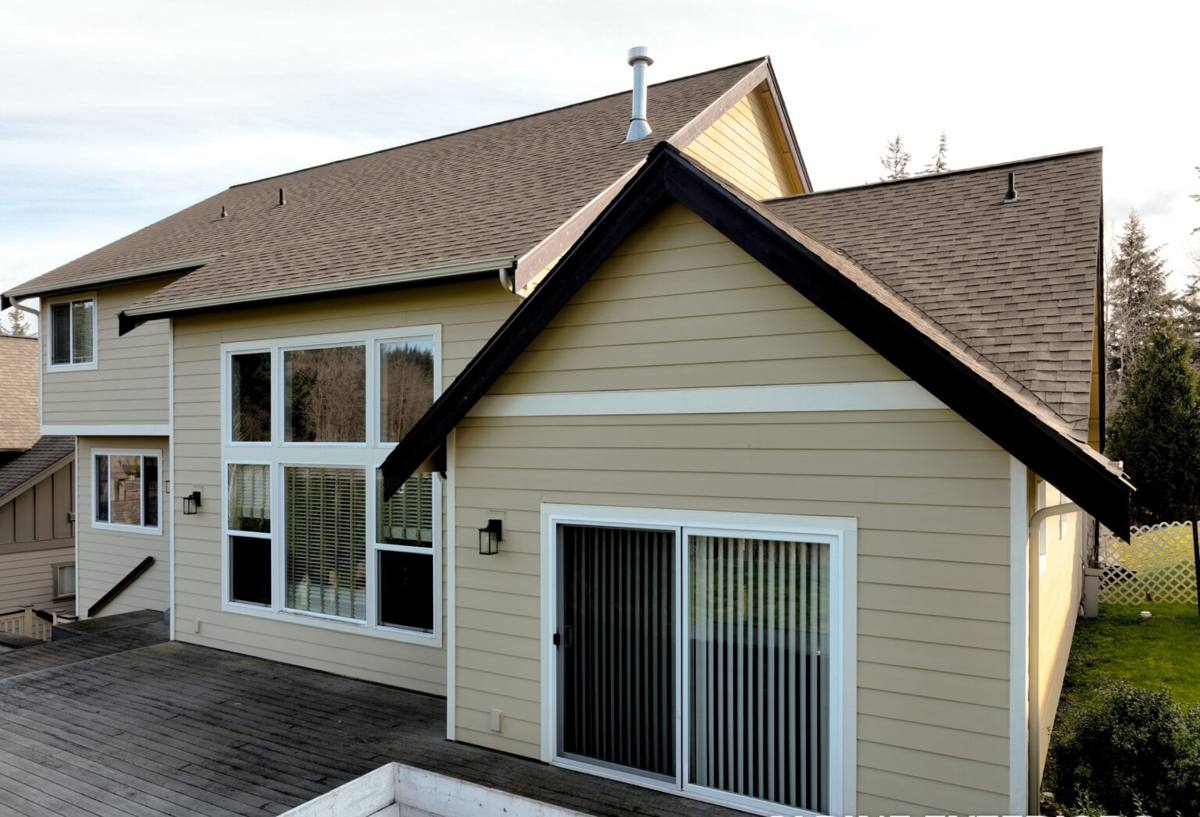
What Whatcom County Weather Does to Windows Over Time
Salt Air and Corrosion
Homes closer to the water deal with airborne salt that accelerates corrosion on hardware, hinges, and older aluminum frames. Over years, that corrosion shows up as stiff locks, cracked weatherstripping, and frames that no longer close tight — all of which let conditioned air escape.
Driving Rain and Wind-Driven Water
Bellingham doesn't just get rain, it gets rain pushed sideways by wind off the Sound. That's a different challenge than a light drizzle: it tests the flashing and sealant details around every window opening, not just the window unit itself. A window can have excellent glass and still leak if the flashing behind the trim wasn't done correctly.
Moss Season and Trapped Moisture
Long, mild, wet stretches are exactly what moss and mildew need to take hold on siding, trim, and window sills. When moisture sits against a window frame for months at a time, any gap in the seal becomes an entry point for rot in the surrounding framing — a slow problem that's expensive to fix once it's inside the wall.
Temperature Swings
Whatcom County isn't extreme, but the swing between a cold, damp winter night and a warm summer afternoon still stresses window seals and insulated glass units over time, which is part of why older double-pane windows eventually fog up between the panes.
What a Correct Energy-Efficient Window Job Involves
Swapping in a new window is the easy part. Getting the job right so it performs for the next 20-plus years in this climate comes down to details most homeowners never see:
- Removing old flashing and inspecting the framing underneath for rot or moisture damage before anything new goes in
- Installing new flashing tape and a proper weather-resistive barrier integration so water is directed out and away from the opening, not behind it
- Shimming and leveling the window so it operates smoothly and seals evenly on all four sides
- Using the right sealant at the right joints — some seams need to breathe, others need to be fully sealed, and mixing that up traps moisture
- Insulating the gap around the frame properly, without overpacking it, which can bow the frame and cause air leaks
- Tying the new window trim back into the surrounding siding so there's no gap or mismatched reveal where water can collect
Skipping any of these steps is how a homeowner ends up with a brand-new window that still drafts, or worse, one that looks fine for a couple of years and then reveals water damage in the wall around it.
Frame Materials: What Actually Holds Up Here
Frame material affects energy performance, maintenance, and how the window handles this specific climate. Here's how the common options compare for a Bellingham-area home:
| Frame Material | Energy Performance | Maintenance | Notes for This Climate |
|---|---|---|---|
| Vinyl | Good, multi-chambered frames insulate well | Low — no painting, won't rot | Reliable value option; quality varies a lot between manufacturers |
| Fiberglass | Very good, dimensionally stable | Low | Handles temperature and moisture swings with minimal expansion/contraction |
| Wood-Clad | Good to very good | Higher — cladding protects wood but seams need monitoring | Attractive interior wood look; more sensitive to installation quality in wet climates |
| Aluminum | Weaker unless thermally broken | Low, but prone to corrosion near salt air | Generally not our first recommendation this close to the water |
We don't push one brand or material on every job. The right call depends on the home's exposure, the homeowner's budget, and how the existing siding and trim need to tie in around the new opening.
Understanding the Energy Ratings on the Label
Every energy-efficient window sold today carries an NFRC label with a few numbers worth understanding before you buy:
- U-Factor — measures how well the window prevents heat from escaping. Lower is better, and it's the number that matters most for a heating-dominated climate like ours.
- SHGC (Solar Heat Gain Coefficient) — measures how much solar heat passes through the glass. Whatcom County's mild summers mean this matters less here than in a hot climate, but orientation still plays a role on south- and west-facing walls.
- Air Leakage — a lower number means a tighter seal at the sash and frame, which is directly tied to how well the window resists wind-driven rain and drafts.
We'll walk through these numbers with you in plain terms rather than just handing over a spec sheet — what matters is matching the glass package to the specific walls of your home, not maxing out every rating for its own sake.
Signs a Columbia-Area Home Needs New Windows
Not every drafty window needs full replacement, but these are the signs worth a closer look:
- Visible fog or moisture trapped between the panes of a double-pane window
- Frames that feel cold to the touch even when the heat is running
- Difficulty opening, closing, or locking a window that used to operate smoothly
- Soft or discolored trim or sill wood around the window opening
- A noticeable draft when standing near the window on a windy day
- Rising heating bills that don't match any change in usage
- Visible gaps between the window frame and the surrounding siding or trim
If you're seeing more than one of these, it's worth having someone look at both the window and the wall assembly around it — sometimes the window is fine and the problem is the flashing or trim.
Our Process
1. On-Site Assessment
We look at each window opening individually — not every window on a house is in the same condition, and treating them as a uniform job can miss problems specific to one wall's sun and rain exposure.
2. Product Selection
We go over frame material, glass package, and grille or hardware options based on the home's style and your budget, without steering you toward the most expensive option by default.
3. Removal and Inspection
Old windows come out carefully so we can inspect the framing underneath before anything new goes in. If there's rot or moisture damage, we address it at this stage — not after the new window is already sealed in place.
4. Installation and Integration
New flashing, proper shimming, correct sealant placement, and trim work that ties cleanly into the existing siding. This is the step that determines whether the window performs well for one year or twenty.
5. Final Walkthrough
We check operation, seals, and exterior finish work with you before considering the job done.
Why Hire a Crew That Already Works This Neighborhood
Window and siding work in the Columbia area comes with a few practical realities: older homes with framing that may not match modern rough-opening standards, lot layouts where scaffolding and access take some planning, and a City of Bellingham permitting process that applies to certain scopes of exterior work. A crew that's already worked this part of town knows what to expect before the job starts, which means fewer surprises and fewer change orders once the old windows are out and the wall is open. We also know how the local climate treats different products over time, which shapes what we actually recommend rather than what's easiest to sell.
Get a Straightforward Estimate
If your Columbia-area home has windows that are drafty, fogged, or starting to show wear around the trim, we're happy to take a look and give you an honest read on what's actually needed — whether that's full replacement or a smaller repair. Fill out the form below for a free, no-pressure estimate.