 Bellingham Siding
 Building New in Blaine? The Windows Deserve as Much Attention as the Siding
Blaine sits right on the water at the northern edge of Whatcom County, which means new construction here deals with a different set of pressures than a build fifty miles inland. Salt-laden air off the Strait of Georgia and Semiahmoo Bay, wind-driven rain that comes in sideways during winter storms, and a moss and mildew season that can stretch eight months out of the year all work against a window system that isn't installed correctly the first time. On a new build, you get exactly one chance to get the window opening, flashing, and weather barrier right before the siding closes it all up. We install new-construction windows for builders and homeowners in Blaine because the work rewards a crew that treats the flashing details as seriously as the window itself.
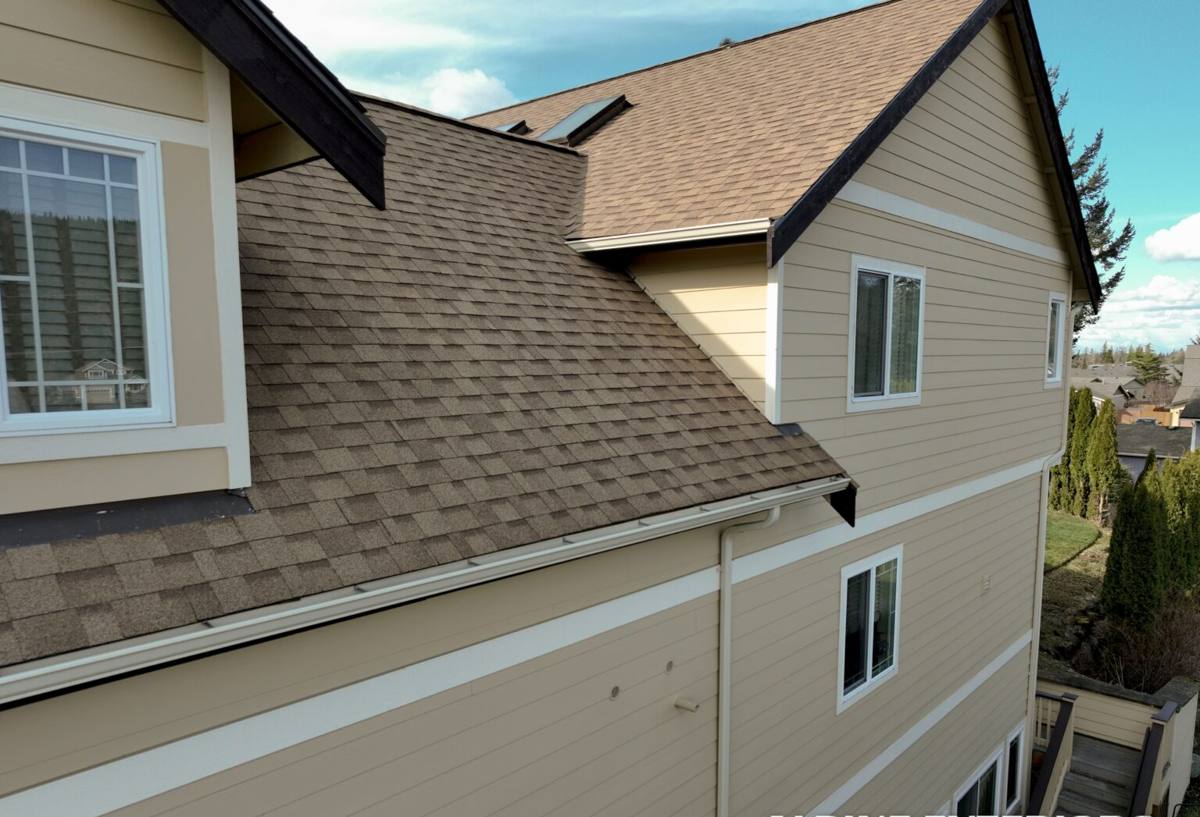
What "New-Construction" Windows Actually Means
This term gets used loosely, so it's worth being precise. A new-construction window has a nailing fin (also called a flange) built into the frame, designed to be installed into an open stud wall before the exterior finish goes on. That's different from a replacement or retrofit window, which is built to slide into an existing frame without disturbing the siding around it. New-construction windows let us integrate the window directly into the wall's water management system — the housewrap, the flashing tape, the sill pan — instead of working around finished walls. On a true new build or a gut-to-the-studs addition, this is the correct approach, and it's the only method that gives you a fully sealed, warrantied assembly from the sheathing out.
When It's the Right Call
- Ground-up new home construction
- Additions where the wall is framed and open to the exterior
- Major remodels where siding and sheathing are already coming off
- Situations where existing window openings need to be resized
What Blaine's Climate Actually Demands from the Install
A window that performs fine in a drier inland climate can still fail in Blaine if the installation doesn't account for a few specific local realities.
Salt Air and Corrosion
Being this close to saltwater accelerates corrosion on exposed metal fasteners, hardware, and lower-grade flashing. We use fasteners and flashing components rated for coastal exposure and avoid mixing incompatible metals at the window perimeter, which is a common source of premature corrosion and staining on homes near the water.
Wind-Driven, Sideways Rain
Storms coming off the Strait don't just drop rain straight down — they push it horizontally into wall assemblies, which puts far more stress on sill flashing and the sealant joints than a calm, vertical rain would. A window that's only "watertight" under mild conditions is not enough here. We build a sloped sill pan and back-dam detail under every window so that any water that does get past the exterior seal drains back out instead of pooling against the framing.
The Long Moss and Mildew Season
Whatcom County's damp stretch from fall through spring keeps wall assemblies wet longer than a lot of other regions in the country. Trapped moisture behind a window opening doesn't dry out quickly here — it sits, and that's how you get rot in the king studs, sill, and header before anyone notices a problem. Correct flashing sequencing and a properly lapped weather-resistive barrier are what keep that moisture out of the wall cavity in the first place.
Our Installation Process
The sequence matters more than any single product. Skipping a step or doing it out of order is how leaks happen years later, long after the crew is gone.
- Rough opening check. We verify the opening is square, level, and sized correctly to the window unit before anything gets installed — a small framing error compounds into a bigger sealing problem later.
- Sill pan installation. A sloped, back-dammed sill pan goes in first, so any water that reaches the sill drains outward rather than sitting against the framing.
- Weather-resistive barrier integration. The housewrap or building paper is cut and lapped so water sheds over each layer like shingles — never under it.
- Window setting and fastening. The unit is set plumb, level, and square, then fastened per the manufacturer's schedule to preserve the warranty.
- Flashing tape at the fin. Self-adhering flashing tape seals the nailing fin to the wall in the correct shingle-lap order — sides first, then top, integrated with the barrier above.
- Sealant at appropriate joints only. Sealant is used where it belongs — never as a substitute for correct flashing sequencing, which is a shortcut we don't take.
- Final inspection and documentation. Before siding closes the wall, we confirm every lap and seal is correct, since this is the last point it's easy to fix.
Choosing Window Materials for a Coastal Build
Material choice affects how a window holds up to salt air, moisture, and temperature swings over the long run. There's no single "best" option — it depends on budget, maintenance tolerance, and the look you're after.
| Material | Coastal/Moisture Performance | Maintenance | Typical Cost Range |
|---|---|---|---|
| Vinyl | Good — won't rot or corrode; some flexing in temperature extremes | Low — no painting required | Lower |
| Fiberglass | Excellent — very stable, resists warping and corrosion | Low | Mid to upper |
| Aluminum-clad wood | Good exterior protection, but interior wood needs care if moisture reaches it | Moderate | Upper |
| Solid wood | Requires diligent upkeep in a damp coastal climate | High | Upper |
For most new-construction projects in Blaine, we steer homeowners toward vinyl or fiberglass frames precisely because they don't give salt air and moisture a foothold the way exposed wood can. That's a maintenance and moisture-behavior call on our part, not a knock on wood windows generally — a well-maintained wood window can last decades, but "well-maintained" is a real, ongoing commitment in this climate.
Glass and Performance Considerations
Beyond frame material, the glass package matters for comfort and energy performance in a marine climate that swings between damp cold and summer heat.
- Double-pane, low-E glass is the practical standard for new builds in this region — it balances upfront cost against energy performance.
- Argon or krypton gas fills improve insulation value with minimal added cost.
- Impact considerations matter less here than in hurricane zones, but wind exposure on open, water-facing lots is worth discussing with your builder.
- U-factor and SHGC ratings should be checked against the orientation of each elevation — a south-facing wall of glass behaves differently than a north-facing one.
Mistakes We See on New Builds
Most window leaks we get called to diagnose on newer homes trace back to a handful of avoidable errors during the original install:
- Housewrap lapped backward or cut too tight around the opening, breaking the drainage plane
- No sill pan, or a flat sill pan without a back dam
- Flashing tape applied out of shingle-lap order, directing water behind the barrier instead of over it
- Over-reliance on caulk to compensate for missing or incorrect flashing
- Fasteners driven through the fin at the wrong angle or spacing, voiding the manufacturer's warranty
None of these are visible once siding is on, which is exactly why they go unnoticed for years — until moisture damage shows up as soft trim, staining, or a musty smell inside.
A Homeowner's Checklist Before Windows Go In
- Confirm the installer's flashing sequence in writing before the crew starts
- Ask whether sill pans are standard practice, not an upcharge
- Verify the window manufacturer's installation instructions are being followed exactly (this protects your warranty)
- Ask how the housewrap or building paper laps at each window opening
- Get the installer's coordination plan with your siding contractor — window and siding trades need to communicate, not just show up in sequence
Why a Blaine-Familiar Crew Matters
None of the details above are exotic — they're standard best practice anywhere. What changes in Blaine is how unforgiving the climate is of getting them wrong. A crew that mostly works drier, inland jobs may not default to a back-dammed sill pan or coastal-rated fasteners unless asked. A crew that works Whatcom County's coastline regularly builds those details into every install by habit, because we've seen what skipping them costs a homeowner five or ten years down the road. We coordinate directly with builders and general contractors on new-construction timelines, so the window install and the siding closure happen in the right order without gaps in the weather barrier.
Get a Straightforward Estimate
If you're framing a new home or addition in Blaine and want the windows installed right the first time, we're happy to walk the site, review your window schedule, and give you a clear, no-pressure estimate. Use the form below to get started.