 Bellingham Siding
 Siding Repair Built for Birchwood's Climate
Birchwood sits close enough to Bellingham Bay and the surrounding wetlands that its homes take a different kind of weathering than houses further inland in Whatcom County. Salt-tinged air off the water, long stretches of driving rain funneled in off the Strait, and a moss season that can run eight months out of the year all work on exterior siding in ways that show up as cupping boards, soft trim, chalky paint, and green-black staining at the north and west elevations. When we get a repair call from Birchwood, we're not guessing at what we'll find — we've worked this neighborhood enough to know which failure patterns to expect before we even get a ladder up.
Siding repair here isn't just patch-and-paint. Done right, it means finding out why a section failed, fixing the actual cause, and matching the repair so it doesn't stick out like a fresh patch on an old shirt. That's the standard we hold every Birchwood repair to.
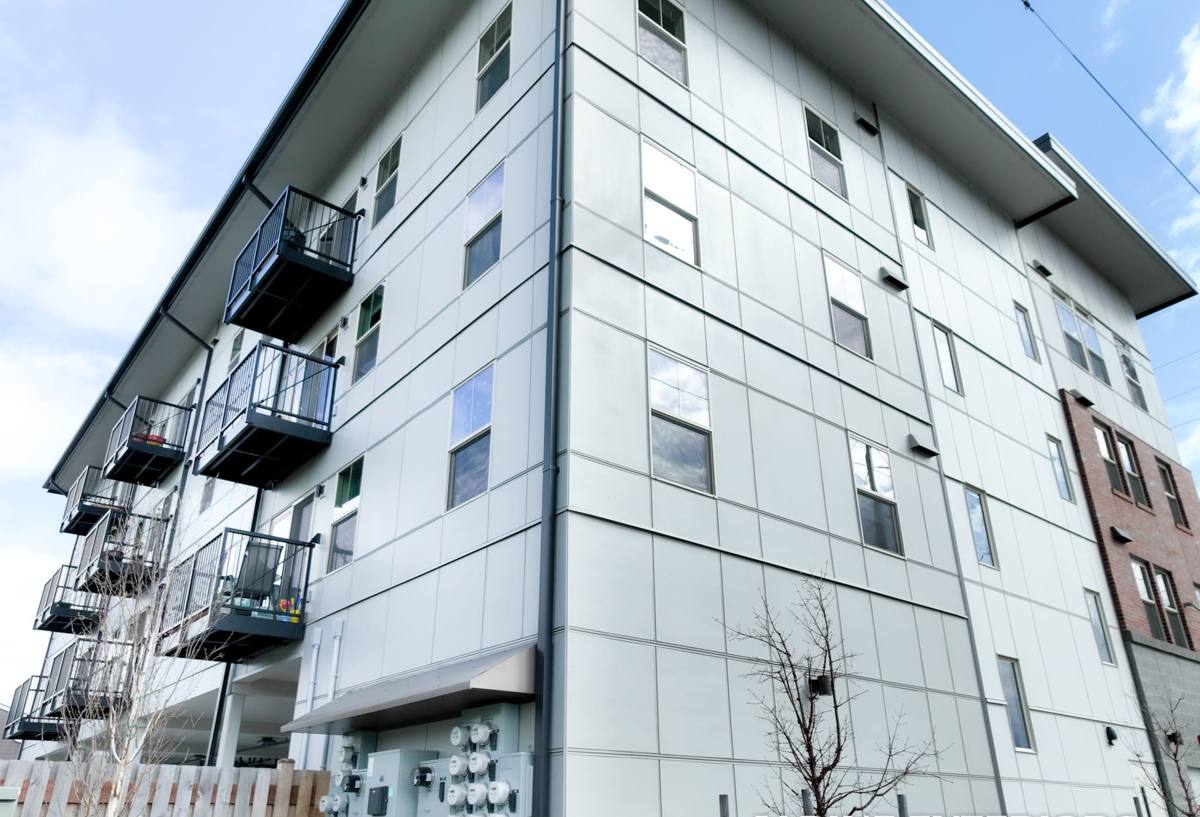
What Damages Siding in This Part of Bellingham
Moisture That Doesn't Dry Out Fast
Birchwood's tree cover and proximity to low-lying, marshy ground mean shaded wall sections stay damp longer after a storm than they would on an open, sun-exposed lot. Wood-based siding and old primed trim soak up that moisture repeatedly through the fall and winter, and over a few seasons the fibers break down — you get soft spots, delamination, and paint that won't hold no matter how many coats go on.
Salt Air and Metal Fasteners
Even a few miles inland from the bay, airborne salt accelerates corrosion on exposed nail heads, flashing, and lower-grade fastener hardware. Rust streaks bleeding down a wall are usually a sign that the original install used fasteners that weren't rated for a coastal-adjacent environment — a detail that matters a lot more in Birchwood than it would in a dry inland town.
Moss and Algae Buildup
North- and west-facing walls, especially under eaves or tree canopy, stay shaded and damp enough for moss and algae to colonize siding surfaces for most of the year. Beyond the cosmetic staining, moss holds moisture directly against the siding face, which speeds up rot in wood products and can degrade paint film on any material if it's left to sit for years.
Signs a Birchwood Home Needs Siding Repair
- Soft or spongy boards when pressed, especially near the bottom courses and around window sills
- Visible cupping, bowing, or separation at board seams
- Paint that's peeling, bubbling, or chalking faster than it should for its age
- Dark green-black staining that returns within weeks of a wash
- Rust streaks running down from nail heads or metal trim
- Gaps opening up around window and door trim where caulking has failed
- Visible daylight or drafts through wall penetrations from the interior
Any one of these on its own might be a simple fix. Several together, especially clustered on one elevation, usually points to a moisture pathway that needs to be traced back to its source — not just covered up.
What a Correct Repair Actually Involves
A repair that just swaps a damaged board for a new one, without addressing why that board failed, tends to fail again in a season or two. Our process on a Birchwood repair call is the same every time:
1. Diagnose Before Touching Anything
We pull back the damaged section and check what's underneath — house wrap condition, flashing at windows and penetrations, and whether water has been tracking behind the siding rather than shedding off it. This is the step that separates a real repair from a cosmetic one.
2. Address the Cause
If flashing is missing or installed wrong, if a kick-out flashing was never added at a roof-to-wall intersection, or if house wrap has torn or wasn't lapped correctly, that gets corrected as part of the repair — not left in place under new siding.
3. Match Material and Reveal
Replacement boards need to match the existing reveal, profile, and color as closely as possible so the repair doesn't read as an obvious patch. On older homes with discontinued profiles, this sometimes means a slightly larger repair scope than the homeowner expected, and we'll explain that trade-off honestly before starting.
4. Seal and Finish Correctly
Proper caulking at joints, correctly primed and painted cut edges, and fasteners rated for coastal exposure — skipping any of these is how a "repaired" section fails again within a year or two, which we see often on repairs done as a quick patch job.
Repair vs. Replace: How We Help You Decide
| Factor | Repair Usually Makes Sense | Replacement Usually Makes Sense |
|---|---|---|
| Extent of damage | Isolated to one or two wall sections | Spread across multiple elevations |
| Underlying material | Structurally sound elsewhere on the wall | Widespread soft spots or rot behind siding |
| Age of existing siding | Newer install, isolated failure point | Original siding is decades old and near end of life |
| Moisture history | One-time or localized water intrusion, now fixed | Chronic moisture problems across the home |
| Material match | Matching material/profile is available | Discontinued profile makes patching visually obvious |
We'll always tell you straight if a "repair" is going to cost most of what a full replacement would, or if patching a small section now is a reasonable way to buy a few more years before a full re-side. That call belongs to you — our job is to give you accurate information to make it.
Why We Repair With James Hardie Fiber Cement Only
When a repair calls for new material — whether it's a few boards or a full elevation — we install James Hardie fiber cement, and that's the only siding product we put on homes. It's not the cheapest option on paper, but for a climate like Birchwood's, it's the one that holds up without turning into a recurring repair line item.
Fiber cement doesn't absorb moisture and swell the way wood-based products can, and it doesn't provide the same welcoming surface for moss and algae growth that softer materials do. Hardie's ColorPlus factory-applied finish also means a repaired section can be color-matched more reliably than field-painted alternatives, and it holds up to the region's damp, low-sun months without the fading and chalking that shortens the life of a standard paint job. For a neighborhood dealing with salt air and near-constant moisture exposure, that combination matters more than it does in a drier inland market.
What We Won't Install, and Why
We get asked from time to time about cheaper repair materials — vinyl patches, primed wood, or engineered wood products like LP SmartSide. Each has situations where it performs fine. But for Birchwood's specific exposure — sustained dampness, salt air, and heavy moss pressure — we've seen enough repeat repair calls on those materials that we no longer install them, full stop. It's a professional standard, not a knock on every homeowner who has them; it's simply not what we're willing to put our name behind in this climate.
Why a Crew That Already Works Birchwood Matters
A contractor who's worked this specific pocket of Bellingham knows the shaded, low-drying wall orientations to check first, understands how the local moss cycle affects timing (repairs done right before the wet season hold up better than ones rushed in the middle of it), and isn't learning the neighborhood's quirks on your dime. That local familiarity shows up in fewer surprises mid-job and a repair that's diagnosed correctly the first time.
Our Repair Process, Start to Finish
- Free on-site inspection of the damaged area and a check of adjacent wall sections for related issues
- Honest repair-vs-replace recommendation, explained in plain terms
- Written estimate covering material, labor, and any flashing or moisture-barrier corrections needed
- Repair work with James Hardie fiber cement, matched to existing color and profile where possible
- Final walkthrough so you can see exactly what was done and why
Maintenance That Keeps Repairs From Piling Up
Whatcom County's wet season is long, but a little seasonal attention goes a long way toward avoiding repeat repair calls:
- Rinse moss and algae off shaded siding sections before it gets a foothold, rather than after it's established
- Keep gutters clear so overflow doesn't run down and sit against wall sections below
- Trim back vegetation and tree limbs that keep siding shaded and slow to dry
- Check caulking at trim and penetrations annually, before the fall rains set in
- Address small paint failures or soft spots early, before moisture has a chance to spread behind the surface
If you're seeing soft boards, staining, or paint failure on a Birchwood home, we're happy to take a look and give you a straight answer on what it actually needs — no pressure, no upsell. Reach out for a free estimate using the form below.