 Bellingham Siding
 Roofing in Birchwood: A Different Set of Conditions
Birchwood sits close enough to Bellingham Bay that salt-laden air is a constant, year-round factor in how a roof ages — not an occasional coastal storm event. Add in the driving, wind-blown rain that comes off the water through fall and winter, and a moss season that stretches longer here than in drier parts of Washington, and you have a roofing environment that punishes shortcuts. A roof that would hold up fine in a dry inland climate can fail early in Birchwood if it wasn't built with these specific conditions in mind.
This isn't about scare tactics. It's about matching the installation — materials, fastening, ventilation, flashing details — to what the roof will actually experience over the next 20 to 30 years. That's the whole point of a page like this one: to explain what "correct" looks like for a new roof going on a Birchwood home, not a generic house in a generic climate.
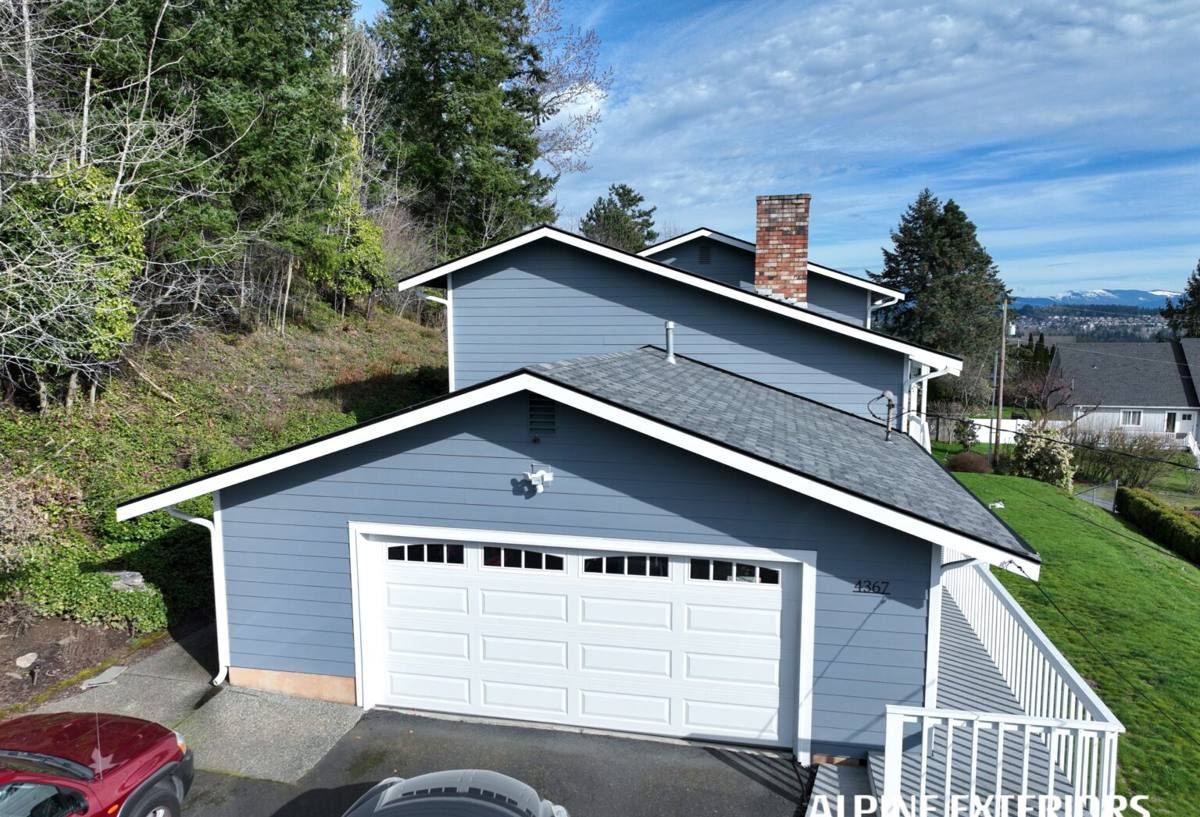
What Salt Air, Rain, and Moss Actually Do to a Roof
Salt Air and Metal Components
Airborne salt accelerates corrosion on any exposed metal — flashing, fasteners, vents, gutters. Over years, untreated or poor-grade metal components can pit, rust, and eventually leak at the exact points where a roof is most vulnerable: valleys, chimneys, and penetrations. This is a slow process, which is part of why it gets overlooked — the damage shows up as a leak five or ten years later, long after the installer is gone.
Driving Rain and Wind-Blown Water
Rain that falls straight down is one problem. Rain that gets pushed sideways by wind off the bay is a different one. Wind-driven rain can work its way under shingles at edges, ridges, and low-slope sections if the underlayment and flashing details weren't built for it. This is why edge treatment and underlayment choice matter more here than in a sheltered inland location.
Moss and Prolonged Moisture
Whatcom County's moss season runs long because the combination of shade, humidity, and cool temperatures rarely lets a roof surface fully dry out. Moss isn't just cosmetic — as it grows, it holds moisture against the roofing material, lifts shingle edges, and slowly breaks down the surface underneath it. A roof with poor airflow or heavy tree cover overhead will grow moss faster than one with good ventilation and sun exposure, regardless of the shingle brand used.
What a Correct New Roof Installation Includes
A new roof is more than shingles nailed to plywood. Every layer does a specific job, and skipping or shortcutting any one of them is where most premature failures start.
- Tear-off and deck inspection: Old roofing is fully removed so the decking underneath can be checked for rot, soft spots, or delamination — problems that are invisible from above and common on older Birchwood homes with a history of moisture exposure.
- Deck repair before anything goes down: Any damaged sheathing gets replaced. Installing new roofing over compromised decking just hides a problem that will resurface as a leak or sag later.
- Ice-and-water shield at vulnerable areas: Self-adhering waterproof membrane at eaves, valleys, and around penetrations — the spots most exposed to driving rain and ice damming during cold snaps.
- Synthetic underlayment across the field: A water-resistant barrier under the shingles that adds a second line of defense if wind-driven rain gets past the surface layer.
- Corrosion-resistant flashing and fasteners: Metal components rated for coastal exposure, not standard-grade material that will pit and rust faster in salt air.
- Balanced ventilation: Intake at the eaves and exhaust at the ridge, sized correctly for the attic space, so moisture doesn't get trapped under the roof deck.
- Proper shingle nailing pattern and exposure: Manufacturer-specified nail placement and shingle exposure, which directly affects wind resistance and warranty validity.
Comparing Roofing Materials for a Coastal, Moss-Prone Climate
There's no single "best" roofing material for every home — it depends on budget, roof pitch, and how much moss and moisture exposure the roof will see. Here's an honest comparison of the common options for a Birchwood re-roof.
| Material | Moss & Moisture Behavior | Salt Air Durability | Typical Lifespan |
|---|---|---|---|
| Architectural asphalt shingle | Prone to moss without good airflow and periodic cleaning; algae-resistant granules help but don't eliminate the issue | Good when flashing and fasteners are corrosion-resistant | 25–30 years |
| Standing seam metal | Sheds moss and debris well due to smooth, steep-shed surface; minimal moss buildup | Requires marine-grade coatings/fasteners near the bay; otherwise very durable | 40–60 years |
| Synthetic composite shingle | Resists moisture absorption better than wood; moss growth similar to asphalt if shaded | Good — non-metallic surface doesn't corrode | 30–50 years |
| Cedar shake | Highest moss and moisture risk; needs regular treatment and cleaning to avoid rot | Not affected by salt corrosion, but moisture retention is the bigger concern | 20–30 years with diligent maintenance |
We steer most Birchwood homeowners away from cedar shake unless they're committed to an ongoing maintenance schedule — it's not that the material is bad, it's that our long moss season and driving rain make the upkeep burden real, and a neglected shake roof deteriorates faster than most people expect. Architectural asphalt remains the practical middle ground for most budgets; metal is the strongest long-term investment where the budget and roof design support it.
Ventilation and Moss Prevention Start at Installation
The single biggest factor in how fast moss comes back after a new roof isn't the shingle brand — it's ventilation and sun exposure. A roof deck that stays cool and damp underneath grows moss faster than one with proper intake and exhaust airflow moving moisture out of the attic before it condenses against the underside of the deck.
During installation, we size and balance the ventilation system to the specific roof and attic, not a one-size-fits-all vent count. For homes under heavy tree cover — common in many established Whatcom County neighborhoods — we'll also talk through practical moss-prevention steps: periodic gentle cleaning, zinc or copper strip options near the ridge, and keeping overhanging branches trimmed back so the roof gets more light and airflow.
Our Installation Process
- On-site inspection and estimate: We walk the roof and attic, check the decking condition where accessible, and give you a written estimate with material options — no pressure, no inflated "today only" pricing.
- Material selection: We go through the trade-offs above in plain terms so you can pick what fits your budget and how much maintenance you're willing to take on.
- Permitting: We handle the permit process required for re-roofing in the City of Bellingham or unincorporated Whatcom County, depending on where your property falls.
- Tear-off and deck inspection: Full removal of old roofing, deck checked and repaired as needed before anything new goes down.
- Underlayment, flashing, and ventilation installed: The layers that do the real waterproofing work, installed to manufacturer and code specifications.
- Shingle or panel installation: Installed to the correct nailing pattern, exposure, and fastening spec for wind and moisture resistance.
- Final walkthrough and cleanup: Site cleaned, debris hauled, and we walk the finished roof with you before calling the job done.
Signs a Birchwood Roof May Need Replacement, Not Repair
Not every roof problem calls for a full replacement — but there's a point where patching becomes a waste of money. Here's a practical checklist to gauge where your roof stands.
- Shingles that are cupping, curling, or losing significant granule coverage
- Heavy, established moss growth across multiple sections, not just isolated shaded spots
- Soft or spongy spots on the roof deck when walked, or visible sagging
- Daylight visible through the attic roof boards, or damp insulation
- Repeated leaks in different locations after previous repairs
- Roof age approaching or past the manufacturer's expected lifespan for its material
- Rusted, pitted, or failing flashing around chimneys, vents, and valleys
If your roof shows one or two of these signs, a repair may still make sense. If it shows several, replacement is usually the more cost-effective path — repeated repairs on a roof that's genuinely at end-of-life add up fast without solving the underlying problem.
What Drives the Cost of a New Roof
| Factor | Why It Matters |
|---|---|
| Roof size and pitch | Larger and steeper roofs require more material and labor time, and steep pitches need additional safety measures |
| Material choice | Asphalt, synthetic, and metal carry different material and installation costs, as shown in the comparison above |
| Deck condition | Rotted or damaged sheathing found during tear-off adds repair cost but is far cheaper to fix now than after a new roof is installed over it |
| Ventilation upgrades | Adding or correcting intake/exhaust venting is a smaller line item that pays off in moss resistance and attic moisture control |
| Flashing and penetrations | Chimneys, skylights, and multiple roof planes each add complexity and material at the joints |
| Tear-off layers | Removing multiple existing layers of roofing takes more labor and disposal than a single-layer tear-off |
Every one of these factors is roof-specific, which is why we don't quote prices sight unseen — a proper estimate requires actually looking at your roof and attic.
Why a Crew That Already Works Birchwood Matters
Roofing crews that mostly work drier, inland climates don't always think in terms of salt air corrosion or a moss season that lasts most of the year — it's just not what they deal with regularly. A crew that works Bellingham and Whatcom County roofs consistently already knows to spec corrosion-resistant flashing and fasteners as standard, not an upsell, and already understands how local permitting works for both city and county properties.
That local familiarity also shows up in smaller ways: knowing which ventilation setups actually keep moss down under heavy Pacific Northwest tree cover, understanding how wind off the bay affects edge and ridge detailing, and being realistic with homeowners about maintenance instead of overselling a low-maintenance claim that won't hold up here. It's the difference between a roof that's built to code and a roof that's built for this specific climate.
Get a Straightforward Estimate
If your Birchwood roof is showing its age or you're planning ahead, we're glad to take a look and walk you through your options honestly — including when a repair still makes sense instead of a full replacement. Use the form below to request a free, no-pressure estimate.