 Bellingham Siding
 Windows Built for Happy Valley's Weather, Not Just the Showroom
Happy Valley sits close enough to Bellingham Bay and the Salish Sea that homes here take a different kind of weathering than houses further inland in Whatcom County. Salt-laden air corrodes hardware and finishes faster than dry climates ever would. Driving rain, pushed sideways by wind off the water, tests every seal and flashing detail a window has. And the long gray stretch of moss season — those months when everything north-facing stays damp for weeks at a time — means any weak point in a window's water management shows up eventually, usually as rot in the framing around it before anyone notices from inside.
Window installation in a climate like this isn't just about picking a style and popping a new unit into an old opening. It's about understanding how water moves around a house in this specific area, and building an installation that keeps ahead of it for the next 20-30 years.
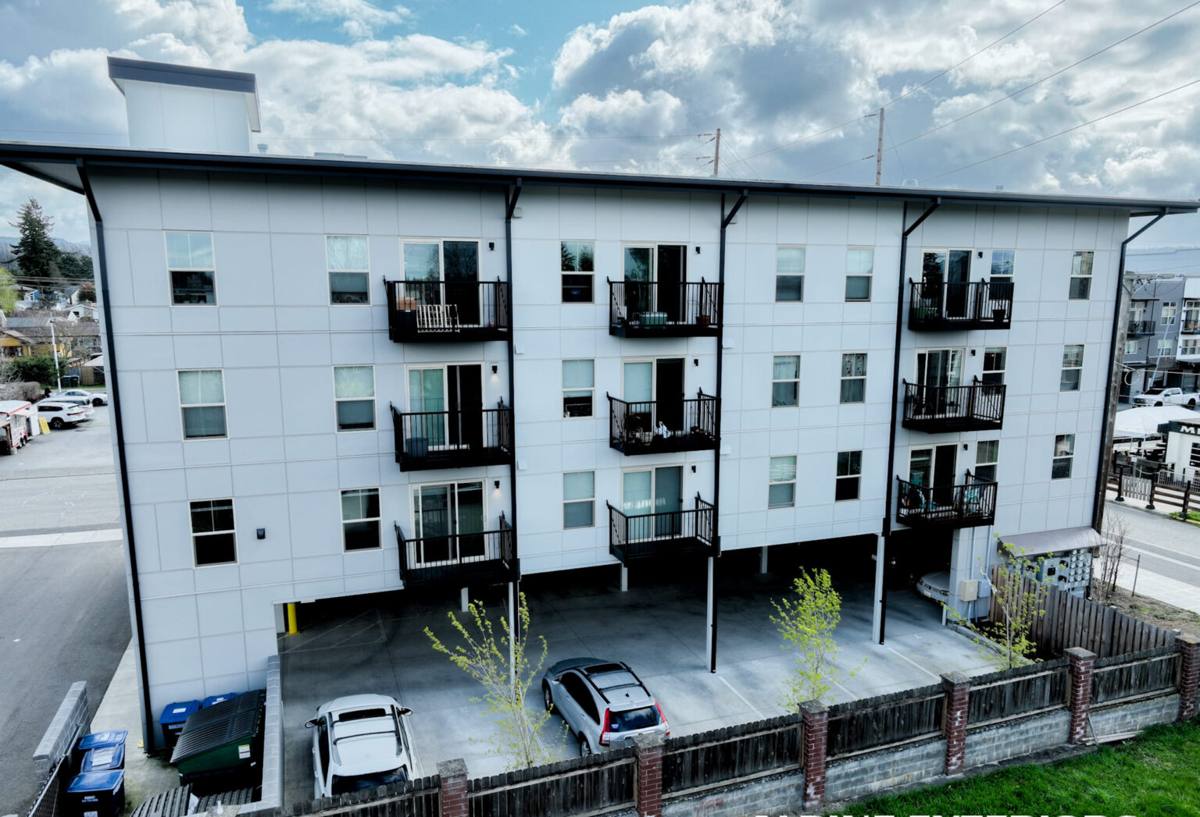
Signs a Happy Valley Home Is Ready for New Windows
Moisture and Rot Signs
Soft or discolored wood at the sill or the trim around a window is usually the first visible clue that water has been getting past the seal for a while. Peeling paint concentrated around window openings, a musty smell near exterior walls, or visible black staining in the corners of the frame all point to the same root problem: moisture that should have been shed to the outside instead worked its way in.
Comfort and Performance Signs
Older single-pane or early-generation double-pane windows in this area often show their age through drafts you can feel with a hand near the frame on a windy day, condensation building up between the panes (a sign the seal has failed), or windows that stick, won't latch fully, or have visibly warped out of square. Rising heating bills without any other explanation are also worth paying attention to — glass and frame assemblies lose efficiency gradually, so the change can be easy to miss year to year.
What a Correct Window Installation Actually Involves
The window unit itself is only part of the job. Most window failures we're called out to fix trace back to installation details, not product defects. In a climate that sends rain sideways for days at a stretch, these details matter more than they would somewhere drier.
Flashing and Water Management
Every opening needs a flashing system that directs water down and out and away from the wall structure — never around the window and into it. This includes sill pan flashing at the bottom of the opening (so any water that does get past the window has somewhere to go besides the framing), proper head flashing above, and correct integration with the existing weather-resistive barrier. Skipping or rushing this step is the single most common cause of hidden rot behind window trim.
Air Sealing and Insulation
The gap between the window frame and the rough opening needs to be sealed and insulated correctly — not stuffed with fiberglass and forgotten, and not left to a single bead of caulk. Done right, this step stops drafts and also keeps moist interior air from condensing inside the wall cavity, which is its own slow path to rot.
Fastening and Structural Fit
A window that isn't shimmed square and fastened per the manufacturer's specification will operate poorly and stress the seals prematurely, even if everything else about the installation is right. This is a place where experience shows — a slightly-out-of-level opening (common in older Bellingham-area homes) needs to be corrected properly, not just worked around.
Window Materials That Hold Up in This Climate
There's no single "best" window material — the right choice depends on the home, the budget, and how much upkeep an owner wants to take on. Here's how the common options compare for a coastal Whatcom County setting:
| Material | Moisture & Salt-Air Resistance | Maintenance | Typical Cost Tier |
|---|---|---|---|
| Vinyl | Good — won't rust or rot; UV can wear finish over decades | Low | Lower |
| Fiberglass | Excellent — very stable in wet, temperature-swinging conditions | Low | Higher |
| Aluminum-clad wood | Good exterior protection, but any breach exposes wood beneath | Moderate | Higher |
| Bare aluminum frame | Prone to corrosion and condensation in salt air and cold snaps | Moderate to high | Lower to moderate |
For most Happy Valley homes, vinyl and fiberglass are our go-to recommendations because they shrug off the combination of salt air and sustained damp that this area sees for a good chunk of the year. Wood-clad windows can still be the right call for a specific architectural look, as long as the owner understands the added maintenance commitment of keeping every joint and seam sealed.
Full-Frame Replacement vs. Insert Replacement
One of the first decisions in any project is whether the job calls for a full-frame replacement or an insert (pocket) replacement, where the new window is fitted inside the existing frame. Both are legitimate approaches — the right one depends on the condition of what's already there.
| Factor | Insert Replacement | Full-Frame Replacement |
|---|---|---|
| When it's appropriate | Existing frame is square, dry, and structurally sound | Frame shows rot, water damage, or is out of square |
| What it addresses | Glass, seals, and operating hardware | Everything, including flashing and the opening itself |
| Relative cost and disruption | Lower cost, faster, less exterior/interior trim work | Higher cost, more labor, but resets the whole assembly |
| Risk if used on the wrong opening | Traps existing rot or moisture problems behind the new unit | Not applicable — starts clean |
We won't recommend an insert replacement over a rotten or compromised frame just because it's the cheaper option up front — that only buries a problem that will resurface, and cost more to fix, later. Part of a proper estimate is opening things up enough to actually see what condition the framing is in before recommending which approach fits.
How Our Installation Process Works
- On-site assessment. We inspect the existing windows, framing, and siding interface to understand what we're actually working with, not just measure for a quote.
- Product selection. We walk through material, glass, and style options suited to the home and budget — no upselling toward whatever has the best margin.
- Preparation. Existing units are removed carefully to protect interior and exterior finishes, and the opening is inspected for hidden damage before anything new goes in.
- Flashing and installation. Sill pan flashing, proper head flashing, and correct integration with the weather barrier come first — then the window is set, shimmed square, and fastened to spec.
- Sealing and insulation. The perimeter gap is insulated and sealed correctly, inside and out, using materials suited to the local moisture load.
- Finish work and walkthrough. Trim is reinstalled or replaced, operation is tested on every unit, and we walk the homeowner through care and warranty details before we consider the job done.
Why Local Experience in Happy Valley Matters
A crew that's done this work elsewhere on Bellingham Bay knows what to expect before the first window comes out. That means recognizing the framing habits and materials common in this area's older housing stock, knowing which siding types need extra care during removal so they don't crack, and understanding just how much water a poorly flashed opening can take on during a real Pacific storm. It also means being realistic about scheduling around this region's wet season rather than promising a timeline that doesn't account for it.
Familiarity with the area also means we're not guessing at code requirements or permitting expectations that apply locally — that's handled as a normal part of the job, not an afterthought.
Questions Worth Asking Before You Hire
Window installation is one of those jobs where the difference between a good contractor and a mediocre one doesn't show up for a year or two — by which point it's an expensive fix. A few questions up front go a long way:
- Are you licensed, bonded, and insured to do this work in Washington?
- Does your warranty cover installation labor separately from the manufacturer's product warranty?
- What's your specific plan for flashing and sealing this opening, given its condition?
- Will you inspect the framing before quoting a firm price, or is the quote based on a quick look?
- Can you walk me through why you're recommending insert vs. full-frame replacement for my windows?
- Who handles permitting, and is that included in the quote?
An honest contractor won't hesitate to answer any of these directly.
Caring for New Windows in a Coastal Climate
New windows still need a little seasonal attention here. Rinsing salt residue off frames and hardware a few times a year keeps corrosion at bay, and keeping weep holes clear of debris and moss buildup lets water drain the way it's designed to. It's also worth doing a quick visual check of exterior caulking and trim each fall, before the heavy rains set in, so any small gap gets addressed while it's still small.
If your windows in Happy Valley are drafty, fogging between the panes, or showing soft trim, we're glad to take a look and give you a straightforward, no-pressure estimate — just fill out the form below to get started.