 Bellingham Siding
 Metal Roofing in Barkley: Built for Bellingham's Weather, Not Just the Sunny Days
Barkley sits close enough to the water and the surrounding hills that its roofs take a different kind of beating than roofs twenty miles inland. Salt-laden air off Bellingham Bay, wind-driven rain that finds every gap in a lazy flashing job, and a moss season that runs longer here than almost anywhere else in Whatcom County — all of it adds up over the life of a roof. Metal roofing handles that combination better than most materials, but only when it's specified and installed correctly for this climate. A metal roof put on the way you'd do it in a dry inland town will disappoint a Barkley homeowner within a few winters.
This page is about metal roofing specifically for homes in and around Barkley — what the local conditions demand, what a correct installation actually involves, and how our process works from first call to final walk-through.
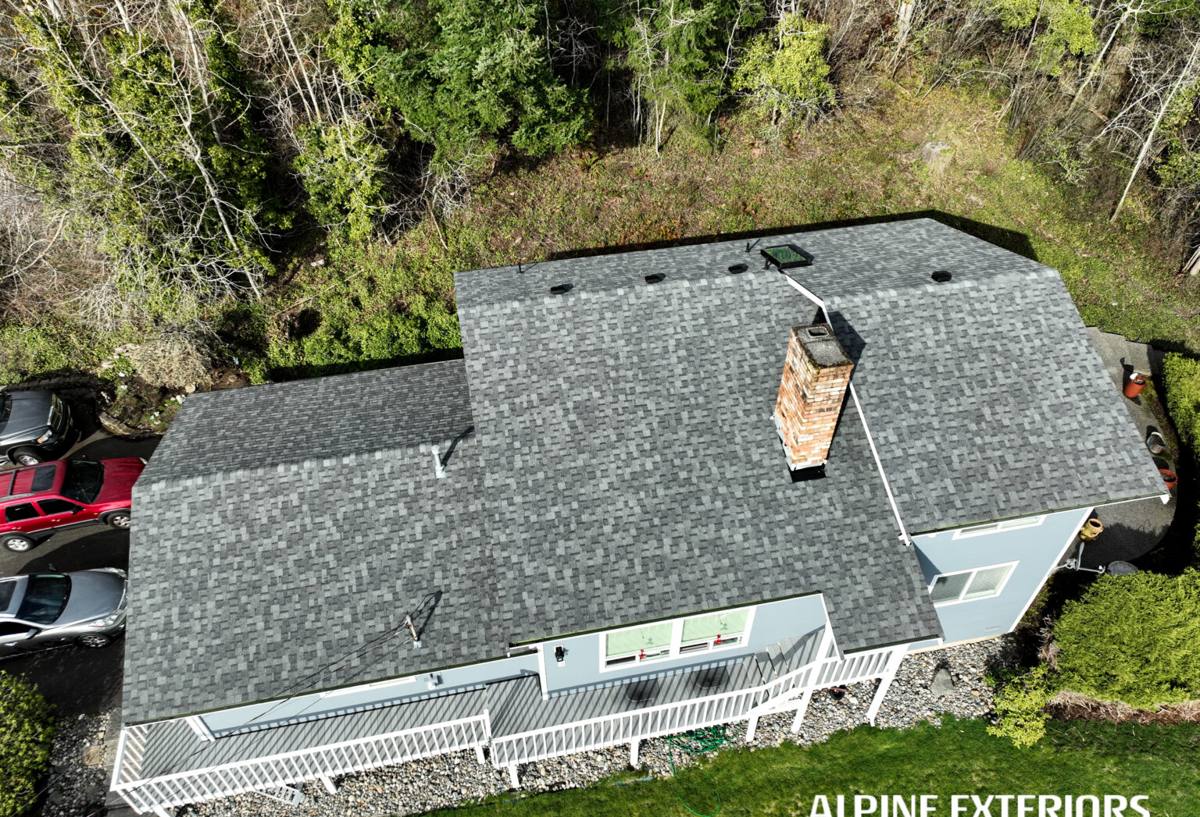
Why Barkley's Climate Changes the Metal Roofing Conversation
Salt Air and Fastener Corrosion
Barkley's proximity to the bay means a steady low-level exposure to salt in the air, especially on west- and south-facing roof slopes that catch onshore weather. Salt air doesn't destroy a metal roof overnight, but it accelerates corrosion at the weakest points — exposed fasteners, cut edges, and any spot where a coating has been scratched or is thinner than spec. That's why fastener choice and edge treatment matter more here than they would in a drier, inland part of the county.
Driving Rain and Wind-Driven Water
A lot of roofing details that hold up fine in a light, straight-down rain fail the first time wind pushes water sideways and uphill under a lap or a flashing. Bellingham gets plenty of that kind of weather, and Barkley's mix of open and tree-sheltered lots means wind patterns can vary block to block. Underlayment, lap direction, and sealed penetrations all have to be done with wind-driven rain in mind, not just gravity.
Moss and the Long Wet Season
Whatcom County's moss season runs long — often eight months or more where shade and moisture combine. Moss on an asphalt roof works its way under shingle tabs and holds moisture against the deck. Metal doesn't give moss the same foothold, but panels still need proper slope, clean valleys, and periodic debris clearing near roof-to-wall transitions and behind chimneys, or organic buildup can trap moisture against seams and fasteners over time.
What a Correct Metal Roof Installation Involves
Metal roofing is unforgiving of shortcuts in a way that's easy to overlook until a roof is a few years old. The material itself is durable; the failures we see almost always trace back to installation details, not the metal.
Deck and Ventilation Prep
Before any panel goes down, the deck needs to be sound and dry, and the attic or roof assembly needs adequate ventilation. Trapping moisture under a metal roof in a climate this wet is a recipe for slow rot that you won't see until it's expensive. We check ventilation as part of every metal roofing job, not as an upsell.
Underlayment Choice
In a high-moisture, high-wind-driven-rain area like Barkley, we lean toward synthetic or self-adhered underlayments at eaves, valleys, and penetrations rather than the minimum a manufacturer will allow. It costs a bit more up front and saves the roof deck if any water does find its way past the panel seams.
Fastening and Panel System
Exposed-fastener panels are less expensive but rely on gaskets that degrade faster in salt air and sun exposure; standing seam systems use concealed clips and fasteners, which keeps metal-to-metal contact points out of the weather entirely. For homes closer to the water or with a lot of west-facing roof exposure, we generally recommend standing seam for that reason. It's a real cost-versus-maintenance trade-off, and we'll walk through it honestly rather than push the more expensive option by default.
Flashing and Penetration Detail
Chimneys, vents, skylights, and wall transitions are where most roof leaks start, metal or otherwise. Every penetration gets flashed and sealed to shed wind-driven rain, not just standing water, and we check these details against the specific slope and exposure of each roof plane rather than using one generic approach for the whole house.
Metal Roofing Options: A Cost and Maintenance Comparison
There's no single "best" metal roofing system — the right choice depends on budget, how long you plan to stay in the home, and how exposed the roof is to salt air and wind. Here's how the common options compare for a Barkley home.
| System | Typical Cost Position | Maintenance in This Climate | Best Fit |
|---|---|---|---|
| Exposed-fastener panel (corrugated/ribbed) | Lower | Gasket washers need periodic inspection; more fastener points exposed to salt air | Budget-conscious projects, outbuildings, less coastal-exposed roof planes |
| Standing seam (concealed fastener) | Higher | Low; no exposed gaskets, fewer penetration points | Primary roofs, homes with direct bay exposure, long-term owners |
| Stone-coated steel | Mid to higher | Low; coating adds abrasion and impact resistance | Homeowners wanting a shingle-like look with metal's durability |
| Metal re-roof over existing shingle (where code allows) | Lower install cost | Depends on condition of the layer beneath; not always advisable in wet climates | Rarely our first recommendation here — trapped moisture risk usually outweighs the savings |
We'll be direct about that last row: on a coastal, high-moisture roof, we usually recommend a full tear-off rather than roofing over old material, even though it costs more up front. Trapping a wet or aging layer under new metal is one of the more common ways we see moisture problems show up a few years down the road.
How Our Process Works for Barkley Metal Roofing Jobs
- On-site assessment. We walk the roof (or use a lift/drone where pitch or access requires it), check the deck, ventilation, and existing flashing conditions, and note exposure to prevailing wind and salt air.
- Honest system recommendation. Based on that assessment, we recommend the panel system and underlayment package that fits your budget and the roof's actual exposure — not a one-size answer.
- Written estimate. Materials, labor, ventilation work if needed, and a clear scope so there are no surprise change orders mid-job.
- Deck prep and tear-off. Old roofing removed, deck inspected and repaired as needed before anything new goes down.
- Underlayment and flashing installation. Done to the standard the site's exposure calls for, not the manufacturer's bare minimum.
- Panel installation. Fastened or seamed to spec, with attention to lap direction against prevailing wind.
- Final walk-through. We go over the finished roof with you, including anything worth knowing about long-term care.
Why a Crew That Already Works Barkley Matters
Roofing crews that don't work this specific area regularly can miss things that aren't obvious from a spec sheet: which slopes on a given street catch the worst wind-driven rain, how much shade and moss pressure a particular lot gets, or how salt exposure varies even within a few blocks depending on tree cover and elevation. A crew that's already done roofs in Barkley has seen how those variables actually play out on real houses, not just in theory. That local pattern recognition shows up in small decisions — where we add extra underlayment, which fastener spec we use, how we detail a valley — that add years to a roof's service life.
It also matters for accountability. A local crew is easy to reach if a question comes up after the job, and we're not disappearing to the next region once the invoice is paid.
Signs Your Current Roof May Be Ready for a Metal Upgrade
- Asphalt shingles showing granule loss, curling edges, or moss growth that keeps coming back despite cleaning
- Recurring leaks near valleys, chimneys, or roof-to-wall transitions
- Visible rust or corrosion on an older metal roof's fasteners or panel edges
- A roof deck that feels soft or springy when walked, a sign of trapped moisture
- Rising energy bills that may point to poor attic ventilation or heat loss through an aging roof assembly
- Wanting a longer-term roofing investment before a planned addition, remodel, or resale
Maintenance: What Barkley Homeowners Should Actually Do
Metal roofs are lower-maintenance than asphalt, but "low" isn't "none," especially in this climate. A couple of times a year — commonly after the worst of fall leaf drop and again heading into spring — it's worth having gutters and valleys cleared of debris so organic material doesn't sit against seams and hold moisture. If your lot has heavy tree cover, check for moss or algae buildup in shaded areas and have it addressed before it accumulates against fasteners or panel laps. Beyond that, a periodic visual check for loose fasteners, damaged flashing, or scuffed coating after a major windstorm is reasonable good practice.
Get a Straightforward Estimate
If you're weighing a metal roof for your Barkley home, we're happy to come take a look, walk you through what your specific roof and exposure actually call for, and give you a clear, no-pressure estimate. No hard sell, just an honest read on what will hold up in this weather. Use the form below to get started.