 Bellingham Siding
 Roofing in Silver Beach Has Its Own Set of Problems
Silver Beach sits in a part of Bellingham where the roof rarely gets a break. Between the marine air moving in off the Sound, long stretches of steady rain through fall and winter, and shade from mature trees that keeps roof surfaces damp well after the rest of the neighborhood has dried out, asphalt shingle roofs here age differently than they do in drier parts of Whatcom County. A roof that would last two decades in eastern Washington can show moss, granule loss, and soft decking in half that time if it wasn't installed with this climate in mind.
That doesn't mean asphalt shingles are the wrong choice for Silver Beach — they're still the most practical, cost-effective roofing material for most homes here. It means the installation details matter more than they would somewhere drier, and a roof that looks fine from the driveway can still be failing underneath if those details were skipped.
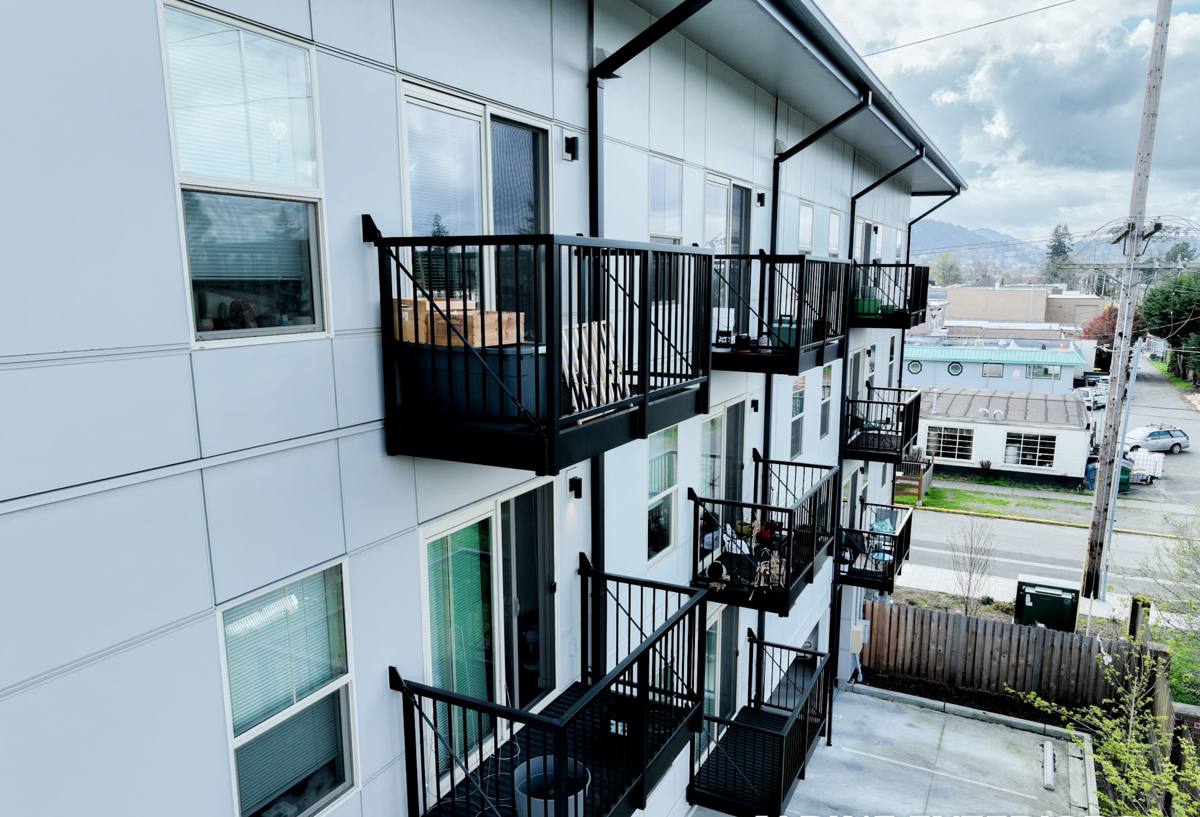
What Bellingham's Climate Actually Does to a Shingle Roof
Moisture That Never Fully Leaves
Whatcom County doesn't get the extreme downpours some regions do, but it makes up for that with duration — long, low-intensity rain events that keep roofs wet for days at a time. Combined with salt-laden marine air, that moisture works into any gap in the underlayment, flashing, or shingle seal and stays there instead of drying out between storms.
Moss Season Is a Real Season
North-facing slopes and anything shaded by trees or a neighboring roofline will grow moss here, often starting within the first year or two if the roof wasn't treated with that in mind. Moss isn't just cosmetic — its root structure lifts shingle edges, holds water against the mat, and accelerates granule loss. Left alone long enough, it works its way under the shingle tabs and into the decking.
Wind-Driven Rain at the Edges and Penetrations
Storms off the Sound don't just drop rain straight down — they push it sideways, which means the vulnerable points on a roof (valleys, chimney flashing, pipe boots, and the edges near gutters) take more abuse than the open field of the roof. Most leaks we get called out for in this neighborhood trace back to one of these transition points, not the shingles themselves.
What a Correctly Built Shingle Roof Looks Like Here
A roof built for Silver Beach's conditions isn't a different product than a roof built anywhere else — it's the same asphalt shingle system, installed with the right underlayment package and attention to the details that matter most in a wet, mossy climate.
- Ice and water shield at the vulnerable zones — valleys, eaves, and around every penetration, not just the minimum code strip, since these are where wind-driven rain finds its way in.
- Synthetic underlayment across the full deck — a secondary water barrier that doesn't break down the way old felt paper does under sustained damp conditions.
- Balanced attic ventilation — intake at the eaves and exhaust at the ridge, sized to the attic volume, so moisture from inside the house doesn't condense against the underside of the decking and rot it from below.
- Metal step and counter-flashing at every wall and chimney intersection — not roof cement smeared over the gap, which fails within a few seasons.
- Shingles rated for algae and moss resistance on any home with shaded or north-facing roof planes, since standard shingles will green up faster under tree cover here than they would on an open, sunny lot.
- Proper nailing pattern and fastener count — under-nailing is one of the most common defects we find on re-roof tear-offs, and it shows up as blow-offs during the first real windstorm.
None of this is exotic. It's standard trade practice applied consistently, which is exactly what tends to get shortcut on jobs bid to hit the lowest price.
Signs a Silver Beach Roof Needs a Look
Because the damage that matters most happens under the shingles, homeowners often don't notice a problem until it shows up as a stain on a ceiling. These are the signs worth acting on before that happens:
- Dark streaking or green/black moss patches, especially on north-facing or shaded slopes
- Granules collecting in gutters or at the base of downspouts
- Shingle edges that look lifted, curled, or cupped rather than lying flat
- Soft or spongy spots underfoot when walked (a sign of decking that's absorbed moisture)
- Daylight visible through the attic decking, or damp insulation near the eaves
- Flashing around chimneys, skylights, or vent pipes that looks rusted, lifted, or gapped
- A roof original to the house and approaching 18–20 years old, regardless of visible damage
Our Process for a Silver Beach Roof
- On-site inspection. We walk the roof and the attic, not just look from the ground, to check decking condition, ventilation, and where moisture is actually getting in.
- Straight assessment. We'll tell you if a roof needs full replacement, targeted repair, or just a cleaning and maintenance plan — we don't sell a tear-off when a repair will hold.
- Written estimate that spells out shingle line, underlayment package, flashing work, and ventilation changes, so there's no ambiguity about what's included.
- Tear-off and deck inspection. Old material comes off down to the deck, and any soft or rotted sheathing gets replaced before anything new goes down — never covered over.
- Full underlayment and flashing install per the details above, sized to the specific exposure of your roof planes.
- Shingle install with correct nailing pattern, starter strip, and ridge cap for the wind exposure typical of this area.
- Final walkthrough covering warranty paperwork, what to watch for, and a basic maintenance schedule for moss and gutter upkeep.
Shingle Options and Cost Factors
Most Silver Beach re-roofs land in one of three shingle tiers. The right one depends on how shaded your lot is, how long you plan to stay in the home, and what you're willing to spend on upkeep versus upfront material.
| Shingle Type | Typical Lifespan Here | Moss/Algae Resistance | Best Fit |
|---|---|---|---|
| Standard 3-tab | 15–18 years | None built in | Budget-focused re-roofs on sunny, open lots |
| Architectural (laminate) | 22–28 years | Optional algae-resistant granules | Most Silver Beach homes — best balance of cost and durability |
| Impact-rated / premium architectural | 28–35 years | Algae-resistant granules standard on most lines | Shaded lots, longer hold periods, higher wind exposure |
Beyond the shingle tier itself, the underlayment package, amount of flashing replacement, ventilation upgrades, and deck repair (if the tear-off finds rot) are what actually move a bid up or down. Two quotes with the same shingle brand listed can be very different roofs once you compare what's underneath it.
Cost Factors Worth Asking About
- Whether ice and water shield is spec'd for the full valley and eave line or just the code minimum
- Whether ventilation is being added or corrected, not just matched to what was there before
- Whether flashing is being replaced or reused
- How much deck repair is included in the base price versus billed as a change order
- What the workmanship warranty covers versus the manufacturer's material warranty
Why It Matters Who's Doing the Work
A shingle roof is a forgiving product to install badly — it'll look fine on install day no matter how it's nailed down, and the underlayment mistakes won't show up for a year or two, long after the crew has moved on. That's exactly why experience in this specific climate matters more than a low bid. A crew that's worked roofs across Whatcom County knows which slopes on a Silver Beach lot will hold moss, which flashing details actually stop wind-driven rain, and how much ventilation an older Bellingham attic really needs — not because it's written in a manual, but because they've been back to fix the ones that skipped it.
We stand behind our workmanship separately from the shingle manufacturer's material warranty, and we'll walk you through exactly what each one covers before you sign anything. If a contractor won't put the ventilation and flashing details in writing on the estimate, that's worth asking about before you decide.
After the Roof Is On: Keeping It That Way
A correctly installed roof still needs basic upkeep in this climate, especially where moss and standing debris are concerned:
- Clear gutters and downspouts at least twice a year so water isn't backing up under the shingle edge
- Remove moss and debris from shaded slopes before it establishes rather than after
- Trim back overhanging branches to cut down on shade and debris buildup
- Have flashing and penetrations checked every few years, since these fail well before the shingles do
We're glad to walk you through a simple maintenance routine at the end of a job, and to take a look at an existing roof even if it's not something we installed.
If you're weighing a repair, a full re-roof, or just want a straight answer on how much life is left in your current roof, we'll come out, look at it in person, and give you a written estimate with no pressure to sign on the spot.