 Bellingham Siding
 Windows Built for York's Corner of Whatcom County
York sits close enough to the water and the weather patterns that roll off Bellingham Bay that its homes take a different kind of beating than houses further inland. Salt-laden air corrodes hardware and fasteners faster than dry-climate ratings account for. Driving rain, pushed sideways by wind off the water, tests every seal and flashing detail a window has. And the long stretch of grey, wet months each year gives moss, algae, and general dampness months at a time to work into any gap a window wasn't properly sealed against. None of that is exotic — it's just steady, patient pressure, year after year, on wood, vinyl, glass, and caulk alike.
Window installation in a climate like this isn't fundamentally different work than anywhere else, but it has less room for shortcuts. A window that's slightly out of level or under-flashed might go unnoticed for years in a dry climate. In York, the same mistake usually shows up within a season or two as a drafty room, a soft spot in the sill, or a dark stain creeping across interior trim.
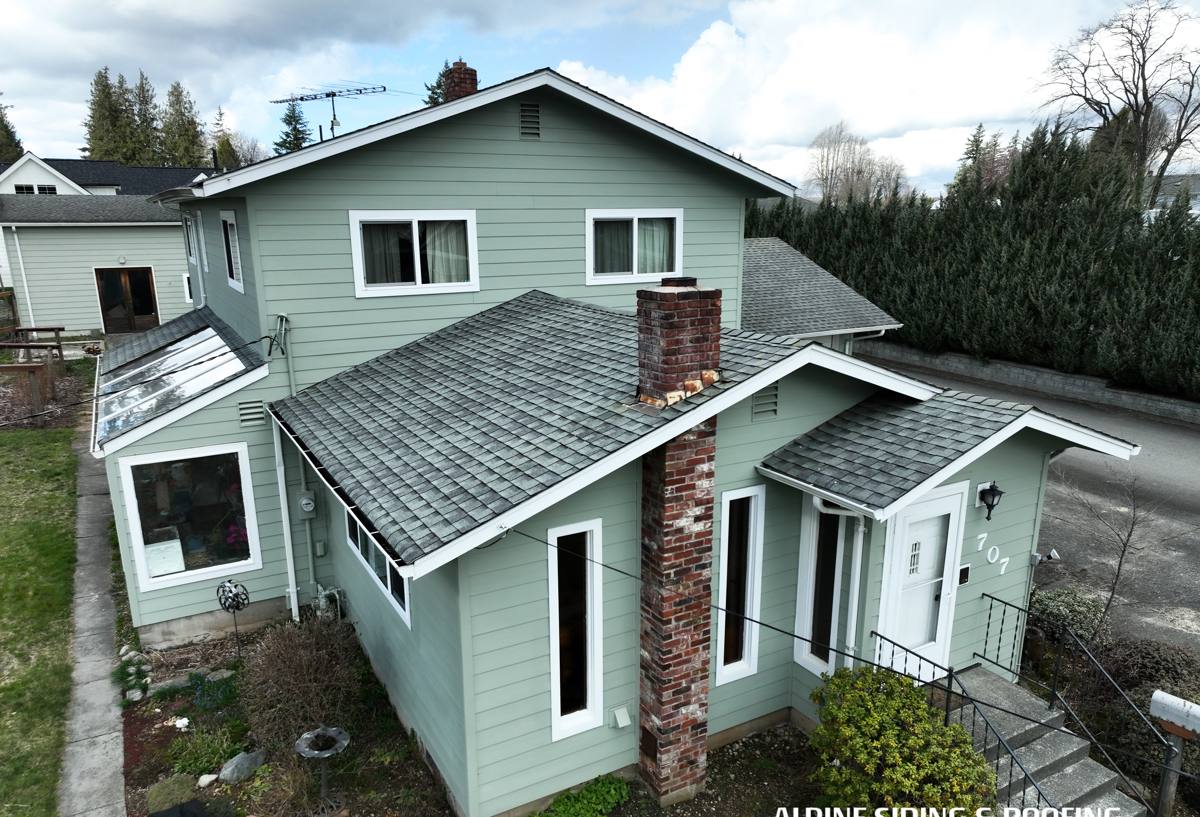
Signs a York Home Needs New Windows
Moisture and Water Signs
Fogging or persistent condensation between panes means the seal on a double- or triple-pane unit has failed and the insulating gas has escaped — that window is no longer doing its job, even if it still looks fine from the curb. Soft or discolored wood at the sill or lower corners, peeling paint concentrated around the window frame, or a musty smell near an exterior wall are all signs that water has been getting past the window, not just condensing on it.
Comfort and Energy Signs
Noticeable drafts near the window on a windy day, rooms that are hard to heat evenly, or a jump in winter heating costs without a clear cause often trace back to failing seals or an outdated frame material. Single-pane windows, still common in older York-area homes, are the biggest culprit here.
Age and Material Signs
Wood windows that have gone a long stretch without repainting or refinishing are especially vulnerable in this climate — once moisture gets under the paint film, it doesn't dry out quickly with our humidity levels. Aluminum-frame windows from past decades tend to conduct cold straight through the frame and are usually the first thing worth replacing on an older home.
What a Correct Window Installation Actually Involves
Window installation is one of those jobs where the parts nobody sees matter more than the parts everyone does. A beautiful window installed without proper flashing will fail — it's just a matter of when.
Removal and Opening Prep
The old window comes out carefully to avoid damaging the rough opening or surrounding siding. We inspect the sheathing and framing underneath for hidden rot or old water damage before anything new goes in — this is often the only point in a window's life when that area is actually visible.
Flashing and Weatherproofing
Correct flashing directs any water that gets behind the siding back out, rather than letting it pool at the sill or migrate into the wall cavity. This means a proper sill pan, side and head flashing installed in the right shingle-lap order, and compatible flashing tape or housewrap integration — not just a bead of caulk around the edges.
Insulation and Air Sealing
The gap between the window frame and the rough opening gets filled with a low-expansion foam or backer rod and sealant designed to move with the building, not rigid foam that can bow the frame out of square.
Trim and Finish
Interior and exterior trim gets reinstalled or replaced, caulked at the right joints (and left open where it needs to drain), and the window is tested for smooth operation and a tight seal before we call it done.
Choosing the Right Window for a York Home
There isn't one universally "best" window — the right choice depends on your home's age, exposure to wind and rain, and your budget. Here's how the common frame materials generally compare for a coastal Whatcom County setting:
| Frame Material | Moisture Resistance | Maintenance | Typical Use Case |
|---|---|---|---|
| Vinyl | Good — won't rot, but seals and hardware still need quality checks | Low | Most cost-effective full replacements |
| Fiberglass | Excellent — very stable in wet, temperature-swinging conditions | Low | Homes wanting durability without wood upkeep |
| Wood | Fair — needs a well-maintained finish to perform | High | Historic or character homes where wood trim matters |
| Wood-clad (wood interior, metal/vinyl exterior) | Good — exterior shell protects the wood | Moderate | Balancing interior appearance with exterior durability |
| Aluminum | Poor for energy performance — conducts cold and can condense | Low | Generally not recommended for our climate except specific applications |
We install quality vinyl, fiberglass, and wood-clad windows depending on what a home calls for. We generally steer homeowners away from bare aluminum-frame replacements in this climate — not because aluminum is a bad metal, but because its thermal conductivity and condensation behavior are a poor match for our wet, temperature-swinging weather, and it tends to show that mismatch in the form of sweating frames and higher heating bills.
Our Installation Process
- On-site assessment. We look at your existing windows, framing condition, and any water intrusion history before recommending anything.
- Product selection. We walk through frame material, glass package, and style options based on your home and budget — no pressure toward the most expensive option.
- Written estimate. Clear scope, materials, and pricing before any work is scheduled.
- Careful removal and opening inspection. Old windows come out, and we check the rough opening for hidden damage.
- Flashing, insulation, and installation. Each window is set, shimmed level and plumb, flashed, and sealed to manage water correctly.
- Trim, cleanup, and final check. Interior and exterior finish work, then operation and seal checks on every window before we leave.
What Affects the Cost of Window Installation
| Factor | Why It Matters |
|---|---|
| Number of windows | Per-window cost typically drops as the project scales up |
| Frame material | Vinyl is generally most affordable; fiberglass and wood-clad cost more upfront |
| Glass package | Double-pane vs. triple-pane, and low-E coatings, affect both price and performance |
| Installation type | A straightforward insert replacement costs less than a full-frame replacement that addresses rot or resizes an opening |
| Existing damage | Rot or water damage found in the opening adds repair work before the new window can go in |
| Access and site conditions | Second-story or hard-to-reach windows can add labor time |
We won't quote a number without seeing the actual windows and openings — anyone who does is guessing, and on older York homes that guess can be off by a lot once hidden rot or an out-of-square opening turns up.
Why It Matters to Hire a Crew That Already Works in York
A contractor who regularly works in the Bellingham area, including neighborhoods like York, has already seen how the local combination of salt air, wind-driven rain, and prolonged wet seasons plays out on real homes over time — which framing details tend to fail first, which materials hold up, and which shortcuts show their cost within a year or two instead of a decade. That's not something you can fully substitute with a product spec sheet. It shapes decisions like how aggressively to flash a west-facing window, or whether a particular sill detail needs extra attention given the home's exposure.
Local, licensed, and insured work also means someone accountable is easy to reach if a question comes up after the job — not a call center for a company that installed your windows once and moved on.
A Quick Homeowner Checklist Before You Sign a Window Contract
- Confirm the contractor is licensed and insured in Washington State
- Ask what flashing method they use and why
- Get the frame material, glass package, and warranty terms in writing
- Ask how they handle rot or damage discovered once the old window is out
- Clarify whether the quote includes interior and exterior trim work
- Ask for a realistic timeline, including any lead time for special-order sizes
Maintaining Your Windows After Installation
A correctly installed window still benefits from basic upkeep, especially in a climate that stays damp for months at a time.
- Rinse frames and tracks periodically to clear salt residue and grime
- Check exterior caulking each year and touch up any cracked or separated joints
- Keep gutters and downspouts clear so water isn't sheeting down past window heads
- Watch for moss or algae buildup on sills and clean it before it holds moisture against the frame
- Test operation of hardware and locks seasonally so they don't seize up
If your York home has drafty rooms, foggy glass, or windows that just feel past their prime, we're happy to take a look and walk you through honest options — no pressure, no obligation. Fill out the form below for a free estimate.