 Bellingham Siding
 Board & Batten Siding for Silver Beach Homes
Board and batten is one of the most requested siding styles in Bellingham, and Silver Beach is no exception. The vertical lines read as classic Pacific Northwest architecture, whether the house is a newer build or an older home getting a full exterior refresh. But the look is only half the story. In Whatcom County's marine climate — salt air, driving rain that comes in sideways off a storm, and a moss season that can stretch most of the year — how that siding is built and installed matters just as much as how it looks from the street.
We install board and batten for homeowners throughout Silver Beach and the surrounding Bellingham area, and we build every job around the same standard: get the water management right first, then make it look sharp. This page covers what that actually means for a board and batten project in this specific climate, not a generic rundown of the siding style.
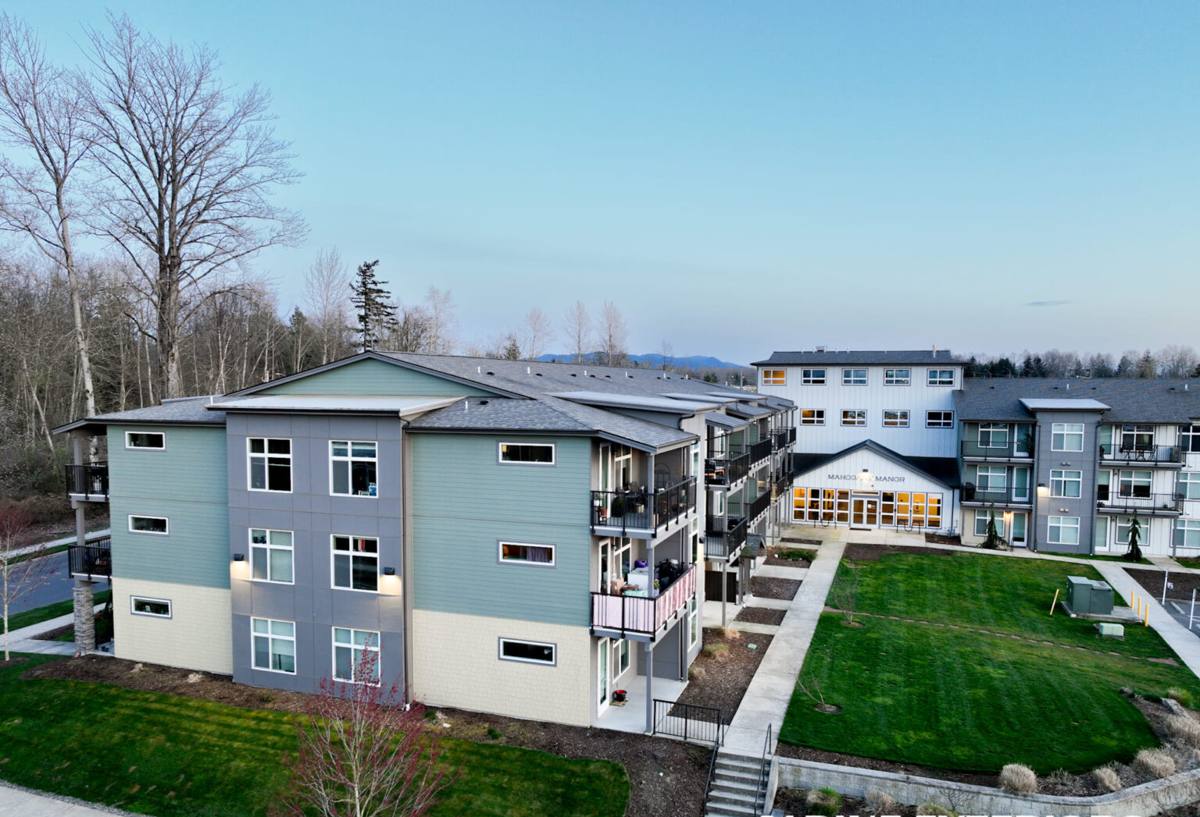
Why Silver Beach Homes Ask for Board and Batten
Board and batten shows up a lot in Bellingham's older neighborhoods and newer infill construction alike, and for good reason. The vertical panel-and-strip pattern:
- Reads as a clean, architectural upgrade on homes that currently have flat lap siding or aging vertical wood
- Pairs well with the mixed rooflines and covered porches common in this area
- Works as an accent on gables, dormers, or a front entry even when the rest of the house stays lap-sided
- Holds paint and color evenly across a large vertical run, since there are fewer horizontal shadow lines to break it up
The trade-off is that board and batten has more vertical seams than lap siding, and every one of those seams — at the battens, at the panel joints, at the corners — is a place water can find its way in if the install isn't done correctly. In a climate that stays wet for most of the year, that detail work is where a job succeeds or fails.
What Bellingham's Climate Actually Does to Vertical Siding
Driving rain and long wet seasons
Bellingham doesn't just get rain — it gets sustained, wind-driven rain that hits vertical siding at an angle for days at a stretch during fall and winter. On board and batten, that means water is constantly testing the caulked joints at the battens and the seams where panels meet. A siding system that isn't detailed for this kind of exposure will eventually let moisture behind the boards, even if the surface looks fine.
A long moss season
Whatcom County's combination of shade, moisture, and mild temperatures gives moss and algae a long growing window — often nearly year-round on north-facing walls and anywhere tree cover blocks the sun. Moss holds moisture against the siding surface longer than bare siding would dry on its own, which accelerates wear on anything that isn't rot-resistant. It also just looks bad fast, especially on light-colored board and batten where green and black staining shows up clearly against the vertical lines.
Salt air and fastener corrosion
Homes closer to Bellingham Bay and the broader Whatcom County shoreline deal with airborne salt that speeds up corrosion on anything metal — nail heads, flashing, trim fasteners. Rust bleed at a nail head on board and batten is one of the most common cosmetic failures we see on homes with the wrong fastener spec, because every visible fastener line runs straight down the vertical boards where it's easy to spot.
What a Correct Board and Batten Install Involves
A board and batten job that's going to hold up in this climate isn't just panels and strips nailed to the wall. The details that actually matter are mostly invisible once the job is done:
A drainage gap behind the siding
Vertical siding should be installed over a rainscreen or furring system that creates a small air gap between the back of the panel and the water-resistive barrier. That gap lets any moisture that does get past the surface drain and dry out instead of sitting against the sheathing. Skipping this step is the single biggest shortcut we see on board and batten jobs that fail early.
Correct batten spacing and fastening
Battens need to land over solid backing, be spaced to the manufacturer's engineering, and be fastened with the right length and type of fastener for the substrate — not just close enough. Loose or under-driven fasteners work themselves proud over a wet-dry cycle season after season, which is exactly what Bellingham's climate puts siding through.
Flashing at every horizontal transition
Window heads, deck ledgers, roof-to-wall intersections, and the bottom starter course all need proper flashing and kick-out details. Vertical siding is less forgiving of flashing mistakes than lap siding because water runs straight down the boards to whatever transition is below it — if that transition isn't flashed correctly, the water has nowhere to go but behind the wall.
Corrosion-resistant fasteners
Given the salt air exposure common in this part of Bellingham, we spec fasteners rated for the coastal environment rather than standard interior-grade options. It costs more up front and it's the difference between clean board and batten ten years out and a wall streaked with rust.
James Hardie Board and Batten: What We Actually Install
We install James Hardie fiber cement exclusively, and board and batten is one of the styles where that decision matters most. Hardie's vertical siding system is built as fiber cement panels installed with battens over the seams, factory-finished with ColorPlus Technology so the color is baked on before it ever reaches the job site — not field-painted after installation, which is where a lot of DIY and lower-grade board and batten jobs run into trouble.
Fiber cement doesn't absorb water the way wood-based or wood-composite board and batten products can, which matters directly for moss and rot resistance in a climate this wet. It's also non-combustible, which is a meaningful difference from wood board and batten in a region where wildfire smoke and defensible-space rules are an increasing part of homeowner insurance conversations.
We don't install vinyl board and batten, wood board and batten, or engineered wood products like LP SmartSide. Each of those has a place in the market, but none of them hold up to Bellingham's combination of moisture, moss, and salt air the way factory-finished fiber cement does, and we'd rather stand behind one system we trust completely than offer several we'd have to caveat.
Board and Batten Options Compared for This Climate
| Material | Moisture behavior | Moss/algae resistance | Finish | Typical lifespan here |
|---|---|---|---|---|
| James Hardie fiber cement | Does not absorb and swell; dimensionally stable when installed to spec | Resists growth; cleans off the surface without damaging the material | Factory-baked ColorPlus finish, warrantied against fading and peeling | Decades with normal maintenance |
| Cedar or primed wood | Absorbs moisture; prone to swelling, cupping, and rot at joints over time | Moss and algae take hold readily in shaded, damp spots | Field-applied paint or stain; needs repainting on a recurring cycle | Shorter, with ongoing upkeep required |
| Vinyl board and batten | Doesn't rot, but seams and panels can warp or gap with temperature swings | Moss grows on the surface film; can be harder to fully remove without damaging texture | Color is through the material but fades and chalks over time | Variable; brittle in cold, softens in heat |
| Engineered wood (e.g., LP SmartSide) | Treated to resist moisture but still wood-based; edge and cut-end exposure is a known weak point | Better than raw wood, but still more susceptible than fiber cement | Factory primed or finished, but coating maintenance still applies | Depends heavily on installation quality and edge sealing |
Our Process for a Silver Beach Board and Batten Job
- On-site assessment. We look at the existing wall assembly, check for any moisture damage already present, and identify exposure areas — north walls, tree-shaded sections, and anywhere salt air exposure is a bigger factor.
- Water management plan. Before a single panel goes up, we confirm the water-resistive barrier, rainscreen strategy, and flashing details for every window, door, and roof transition on the wall.
- Panel and batten layout. We plan batten spacing and panel breaks to land on solid framing and to keep the vertical lines even across the elevation — this is where board and batten either looks intentional or looks patched together.
- Installation to manufacturer spec. Fastener type, spacing, and embedment follow James Hardie's published installation requirements, not a generalized nailing pattern.
- Final detailing and walkthrough. Caulking, trim, and touch-up happen last, followed by a walkthrough so you know exactly what was done and what maintenance, if any, to expect going forward.
Signs Your Current Board and Batten Siding Is Already Failing
If you're in Silver Beach and wondering whether your existing board and batten needs attention now or can wait, watch for:
- Soft or spongy spots when you press on the boards, especially near the bottom courses
- Persistent moss or dark staining that comes back within weeks of cleaning
- Rust streaking running down from fastener heads or trim
- Gaps opening up at the battens or panel seams
- Paint that's peeling or bubbling rather than just fading evenly
- Visible warping or cupping in individual boards
Any one of these on its own might just need a repair. Several at once, especially combined with soft sheathing underneath, usually means the water management behind the siding failed and a full reside is the more honest recommendation.
Maintenance Through a Long Moss Season
Even correctly installed fiber cement board and batten benefits from basic upkeep in this climate. A soft wash — not a high-pressure blast, which can force water behind seams and strip factory finish — once or twice a year keeps moss and algae from building up on shaded walls. Keeping gutters clear and trimming back vegetation that shades the siding both reduce how long walls stay damp after a storm, which is most of what drives moss growth in the first place. Because ColorPlus finish is baked on rather than field-applied, you're not on a repainting cycle the way you would be with wood board and batten — routine cleaning is the main task.
Why a Crew That Already Works Silver Beach Matters
Board and batten installed to a generic spec sheet, without accounting for this specific corner of Whatcom County, tends to show its weak points early — usually at the flashing details and fastener choices that a crew from outside the area might not think twice about. A crew that regularly works Bellingham and the surrounding communities already knows how the rain moves across a wall here, where moss takes hold first, and what fastener and flashing specs actually hold up over a full wet season rather than just on paper.
That local familiarity doesn't replace manufacturer specs or good workmanship, but it does mean fewer surprises — and it means someone who already knows this neighborhood is easy to reach if a question comes up after the job is done.
If you're considering board and batten siding for a home in Silver Beach, we're happy to take a look and give you a straight, no-pressure estimate — including an honest read on whether board and batten is the right fit for your specific house before we talk numbers.