 Bellingham Siding
 Siding Installation in Sehome Isn't a One-Size-Fits-All Job
Sehome sits close enough to Bellingham Bay and the surrounding hillside terrain that its homes take on a specific set of weather conditions year-round: salt-laden air rolling off the water, long stretches of driving rain that comes in sideways more often than straight down, and a moss season that can stretch from fall through spring. Any siding installed here has to be chosen and installed with those three things in mind, not just picked off a sample board and nailed up the way it might be in a drier inland town.
This page is about one job, done in one place: siding installation for homes in Sehome. We're not going to give you a generic rundown of siding in general. We're going to walk through what the local climate actually does to a wall assembly over time, what a correct installation looks like in response to that, and why the crew you hire for this job matters as much as the material they're using.
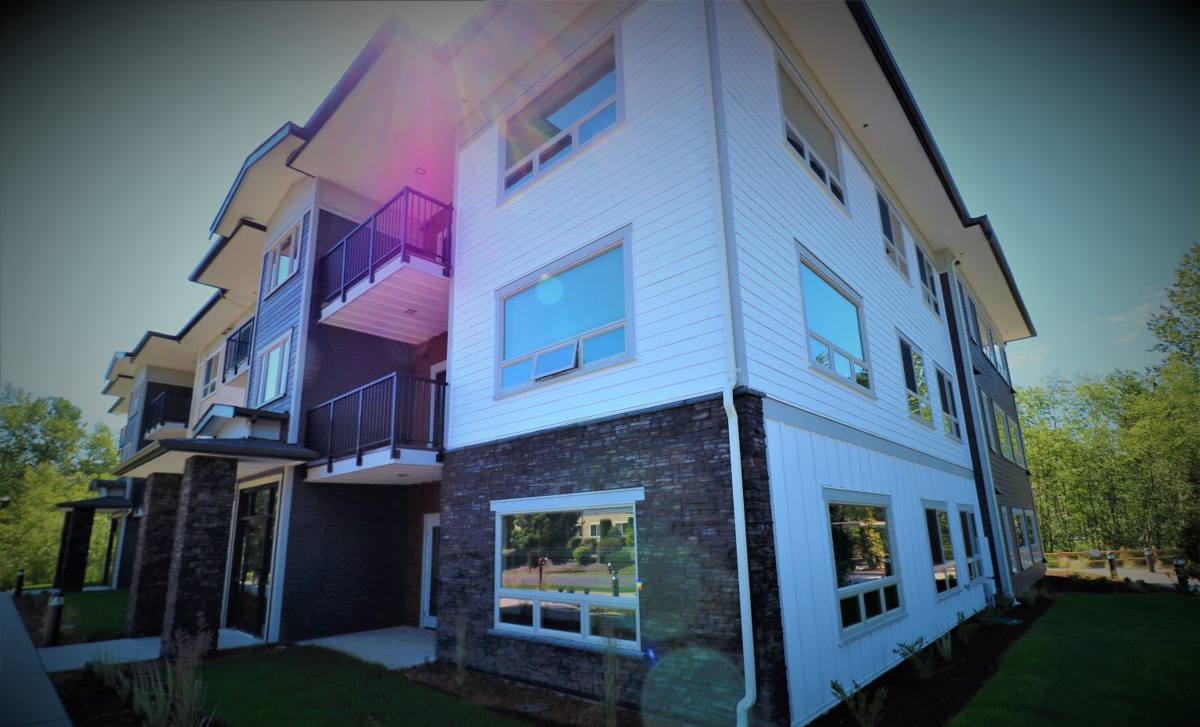
What Bellingham Bay's Climate Does to a Wall Over Time
Whatcom County isn't an extreme climate in terms of temperature swings, but it's a demanding one in terms of moisture. Three factors compound on each other in Sehome specifically:
Salt Air
Proximity to Bellingham Bay means airborne salt is a real factor on exposed siding, trim, and fasteners. Salt exposure accelerates corrosion on unprotected metal fasteners and flashing, and it can degrade paint and coatings faster than it would further inland. Materials and hardware that aren't rated for it will show it first — chalking, fastener staining, and early coating failure.
Driving Rain
Wind-driven rain off the water doesn't just wet a wall's face — it gets pushed sideways and upward into laps, seams, and butt joints that would stay dry in a calmer rain event. That means water management behind the siding (not just on top of it) is the difference between a wall that stays dry and one that slowly rots from the inside.
Moss Season
Shaded, damp conditions for much of the year create ideal moss and algae growth on north-facing walls, under eaves, and anywhere airflow is restricted. Moss holds moisture against the surface it grows on, which is a problem for materials that absorb water rather than shed it.
None of these three factors is unique to Sehome by itself — but the combination, on a hillside neighborhood this close to the water, is what makes siding choice and installation quality matter more here than in a lot of other places.
What Correct Siding Installation Actually Involves
A siding job is judged by what you can't see once it's finished. The visible panel is the last five percent of the work. The other ninety-five percent is what's happening behind it.
Water Management Starts Before the Siding Goes Up
Before a single piece of siding gets installed, the wall needs a continuous weather-resistive barrier, properly lapped and taped at seams, with flashing integrated at every window, door, and penetration so water is directed out and down — never trapped behind the cladding. On a house exposed to driving rain off the bay, skipped or sloppy flashing at a single window head is often where the first rot shows up, sometimes years later.
Rainscreen Gap
Given how much moisture Sehome walls deal with, a drainage gap (furring strips or a purpose-built rainscreen product) between the weather barrier and the siding gives incidental moisture a path to drain and dry instead of sitting against the back of the panel. This is one of the biggest differences between a durable installation and one that looks fine for a few years and then doesn't.
Fastening and Clearances
Fiber cement siding has specific fastening patterns, nail types, and penetration depths that have to be followed exactly — over-driven or under-driven fasteners are a common cause of premature failure. Clearance from grade, roof lines, and decks also has to meet minimum standards so the bottom edge of the siding isn't sitting in standing water or snowmelt.
Sealed and Caulked Correctly
Butt joints, trim intersections, and penetrations need the right sealant, applied to manufacturer spec — not just enough to hide the seam. Done wrong, caulk becomes the first thing to fail and the first place water gets back in.
Why This Company Installs Only James Hardie Fiber Cement
We don't install vinyl siding, LP SmartSide, Cemplank, Allura, primed spruce, or cedar. That's a deliberate standard, not a lack of options. Each of those products has legitimate uses and reasonable installers behind them — but each also comes with a trade-off we're not willing to build into a Bellingham home:
- Vinyl expands and contracts significantly with temperature, can crack in cold snaps, and offers little protection against wind-driven rain intrusion at seams.
- LP SmartSide is engineered wood — treated to resist moisture, but still wood at its core, meaning long-term performance depends heavily on caulking, paint maintenance, and keeping water off cut edges.
- Cemplank and Allura are other fiber cement brands; we simply have more field experience, a deeper factory finish system, and a stronger warranty structure with James Hardie specifically.
- Primed spruce and cedar are natural wood products that require ongoing repainting, sealing, and vigilance against rot — a heavier maintenance burden in a climate with this much sustained moisture.
James Hardie fiber cement is non-combustible, doesn't support moss and mold growth the way organic materials can, and holds paint (through its factory-applied ColorPlus finish) far longer than field-applied coatings on wood or engineered wood products. It's also backwards from what people expect on cost: because it lasts longer and needs less maintenance, it's often the cheaper choice over the life of the siding, not just the safer one.
Matching the Product Line to Sehome's Conditions
James Hardie makes climate-engineered product lines (HZ5, HZ10) formulated for different regional exposure levels. For a wall exposed to salt air and sustained moisture like the ones common in Sehome, product selection and the HZ engineering behind it are not a minor spec detail — they're the difference between a wall system built for this exact climate and one built for somewhere drier.
| Factor | James Hardie Fiber Cement (HZ-engineered) | Vinyl | Engineered Wood / Natural Wood |
|---|---|---|---|
| Moisture absorption | Very low; not organic, doesn't feed moss/mold | Low absorption, but seams allow water intrusion | Moderate to high if coatings fail or edges are exposed |
| Salt air / coastal exposure | Factory finish resists fading and chalking | Can chalk and become brittle over time | Finish and substrate both vulnerable to salt exposure |
| Combustibility | Non-combustible | Combustible, can melt/warp near heat sources | Combustible |
| Maintenance burden | Low — occasional wash, no repainting for years | Low, but seam and impact damage common | Higher — recoating, sealing, and rot inspection needed |
| Warranty | Strong, transferable factory warranty | Varies widely by manufacturer | Often shorter, more limited coverage |
Our Installation Process for Sehome Homes
The process doesn't change dramatically from house to house, but the details we pay extra attention to are shaped by the neighborhood's exposure to the bay and its terrain.
- On-site assessment. We look at existing siding and sheathing condition, wall orientation relative to prevailing wind and rain, moss and moisture staining patterns, and any signs of past water intrusion around windows, doors, and roof-to-wall transitions.
- Tear-off and sheathing check. Old siding comes off and the sheathing underneath gets inspected for rot or soft spots before anything new goes on — covering up a problem is not an option.
- Weather barrier and flashing. A continuous, properly lapped weather-resistive barrier goes on, with flashing integrated at every window, door, and penetration.
- Rainscreen installation. Furring strips or a rainscreen product create a drainage and drying gap behind the siding, particularly important on walls that see the most driving rain.
- James Hardie panel installation. Panels, trim, and accessories go up per manufacturer fastening spec — correct nail type, spacing, and penetration depth, with proper clearances at grade, roofs, and decks.
- Sealing and detail work. Joints, trim intersections, and penetrations are sealed to spec, and all cut edges are properly sealed or factory-finished to prevent moisture entry.
- Final walk-through. We review the finished installation with you, including basic care and what to watch for going forward.
What Drives the Cost of Siding Installation Here
Every siding quote is a little different because every house is a little different. The factors below tend to move the number most on Sehome-area homes:
| Factor | Why It Matters Here |
|---|---|
| Extent of sheathing repair | Long-term moisture exposure sometimes means rot repair is needed before new siding goes on |
| Home age and existing siding type | Older homes may need more tear-off labor and additional flashing detail at older window and door openings |
| Wall exposure and terrain | Walls facing prevailing wind and rain off the bay may need more rigorous water management detailing |
| Trim and detail complexity | Multiple gables, dormers, or trim profiles add labor beyond flat wall runs |
| Rainscreen inclusion | Adds material and labor but improves long-term drying performance in a wet climate |
| Access and site conditions | Hillside lots, tight setbacks, or limited staging area can affect labor and equipment needs |
We give straightforward, itemized estimates so you can see exactly what you're paying for and why — not a single lump number with no explanation behind it.
Living With Your Siding: Maintenance in a Wet Climate
Correctly installed James Hardie siding is low-maintenance, not no-maintenance. A short seasonal checklist keeps it performing the way it's designed to:
- Keep gutters clear so overflow doesn't run down the face of the siding or pool at the base of a wall
- Trim back vegetation and tree cover that keeps walls shaded and damp longer than they need to be
- Rinse off moss, algae, or grime buildup on shaded and north-facing walls before it accumulates
- Check caulking at trim joints and penetrations periodically, especially after severe weather
- Watch for any staining or discoloration near window heads and roof-to-wall transitions, which can indicate a flashing issue worth catching early
- Repaint only if and when the factory ColorPlus finish is nearing the end of its service life — most homes go many years without needing it
Why Hiring a Crew That Already Works in Sehome Matters
Siding installation done wrong doesn't usually fail in year one — it fails in year five or ten, quietly, behind the wall, long after the crew that did it has moved on. A contractor who already works regularly in Sehome and the surrounding Bellingham neighborhoods has seen how homes in this specific setting age: which wall orientations take the worst of the driving rain, where moss tends to establish first, and how salt air shows up in fastener corrosion or coating failure over time. That's the kind of judgment that doesn't come from a spec sheet — it comes from having actually stood on ladders in this weather, on this kind of terrain, more than once.
It also matters for the boring but important stuff: knowing local permitting expectations, understanding how Whatcom County's building code applies to exterior work, and being available if a question comes up five years after installation instead of having moved on to another region entirely.
Get a Straightforward Estimate for Your Sehome Home
If your siding is showing its age, feeling soft in spots, or just due for an honest look, we're happy to come take a look and give you a clear, no-pressure estimate — what we'd recommend, why, and what it would cost. Use the form below to get started.