 Bellingham Siding
 Metal Roofing Built for Sehome's Weather, Not Just Its Look
Sehome sits close enough to Bellingham Bay that salt-laden air is a real factor in how a roof ages, and its tree cover and hillside terrain mean shade, damp, and slow-drying surfaces most of the year. Add Whatcom County's long, wet winters and a moss season that can run from fall through spring, and you have a climate that is genuinely hard on roofing material. Metal roofing holds up well here when it's the right system, installed the right way, by a crew that understands what this specific stretch of coastline does to a roof over twenty, thirty, or fifty years.
This page is about one thing: metal roofing for homes in Sehome. Not a general overview of metal roofing everywhere, and not a sales pitch for every product on the market. Just what your roof actually needs to hold up here, what a correct installation involves, and how we approach the work.
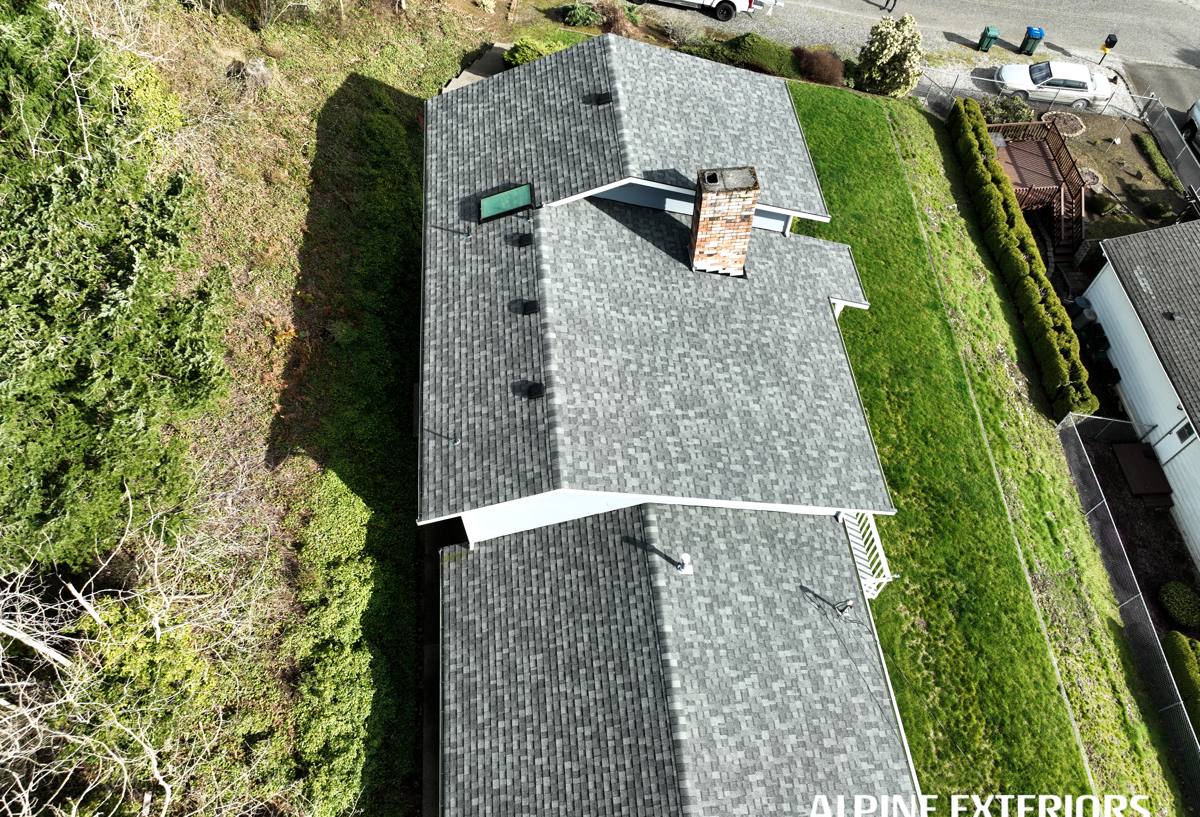
What Salt Air, Driving Rain, and Moss Actually Do to a Roof
Homeowners often assume rain is the main threat to a roof in this part of Washington. It's a factor, but it's rarely the one that causes early failure. The bigger issues are usually slower and less obvious.
Salt Air and Corrosion
Proximity to the bay means airborne salt settles on exposed metal surfaces, fasteners, and flashing over time. Bare or poorly coated steel components can start corroding years before a homeowner notices anything from the ground. This is why fastener quality and coating specification matter more here than they would fifty miles inland.
Driving Rain and Wind-Driven Water
Bellingham's storms frequently come in sideways off the water. Wind-driven rain doesn't just fall on a roof, it gets pushed up under laps, around penetrations, and into any gap that a fastener-heavy or poorly flashed installation leaves open. A roof that would perform fine in a calmer climate can leak here if the underlayment and flashing details weren't built for lateral water intrusion.
Moss and Prolonged Moisture
Shade from mature trees, combined with months of damp air, creates ideal conditions for moss and algae growth. On some roofing materials this is mostly cosmetic. On others, trapped moisture under moss mats accelerates wear, holds water against seams, and shortens the life of the roofing system. Metal roofing's smooth, largely fastener-minimized surface gives moss far less to grip onto than a textured or granulated material, which is one of the practical reasons it performs well in neighborhoods like Sehome.
Why Metal Roofing Fits This Climate
Metal roofing isn't automatically the right answer for every home, but it addresses the three problems above directly:
- Smooth panel surfaces shed water fast and give moss and algae less to root into compared to more textured, granulated roofing materials
- Properly coated steel or aluminum resists the slow corrosion that salt air accelerates on lower-grade or bare metal components
- Standing seam and other concealed-fastener systems reduce the number of penetration points where wind-driven rain can work its way in
- Metal sheds heavy, wet snow and rain load efficiently rather than absorbing and holding moisture
- Long service life reduces how often the roof is disturbed by re-roofing, which matters on homes with mature landscaping and tight access
None of that means metal roofing is maintenance-free. It means it starts from a stronger baseline against the specific conditions Sehome deals with.
Choosing the Right Metal Roofing System
"Metal roofing" covers more than one product, and the differences matter for how a roof performs in this climate and how it looks on a Sehome home. We walk homeowners through the real trade-offs rather than defaulting to whatever is easiest to install.
| System | How It's Fastened | Best Fit | Trade-Offs |
|---|---|---|---|
| Standing Seam | Concealed clips, no exposed fasteners on the field | Homes prioritizing longevity and minimal maintenance | Higher upfront cost, requires an experienced install crew |
| Exposed-Fastener Panel | Screws through the panel face into decking or purlins | Budget-conscious projects, outbuildings, some rooflines | Fasteners need periodic inspection and eventual replacement as gaskets age |
| Metal Shingle/Shake Panel | Interlocking panels, concealed fasteners | Homeowners wanting a traditional look with metal's durability | More seams and details than standing seam, install quality matters more |
For most homes in Sehome, we lean toward concealed-fastener systems specifically because they hold up better against wind-driven rain and reduce the number of penetration points salt air can attack over time. Exposed-fastener panels aren't wrong for every application, but we're upfront when a lower-cost option will mean more maintenance down the road.
Panel Material: Steel vs. Aluminum
Steel panels, properly coated, are a strong choice for most homes and typically cost less than aluminum. Aluminum naturally resists corrosion without relying on a coating and can be a smart upgrade for homes closer to the water where salt exposure is heaviest. We factor in your home's specific exposure, not just a blanket recommendation, when discussing which material makes sense.
What a Correct Metal Roof Installation Involves
The metal itself is only part of the system. Most metal roof failures we get called out to inspect trace back to installation shortcuts, not the panels themselves.
Underlayment
A high-temperature, self-adhered underlayment matters more under metal than under many other roofing materials, and it matters more in a driving-rain climate than a dry one. It's the backup layer that protects the deck if wind-driven water gets past the panel seams.
Flashing and Penetration Detailing
Chimneys, vents, skylights, and valleys are where roofs actually leak. Correct metal flashing detail work, cut and formed for the specific penetration rather than caulked into place, is non-negotiable on a roof that has to handle sideways rain off the bay.
Fastener Selection
Where fasteners are used, corrosion-resistant fasteners rated for the panel material are essential. Mismatched metals or bargain fasteners are a common source of premature staining and failure in coastal air.
Ventilation
Proper ridge and intake ventilation keeps moisture from building up in the attic space, which matters in a climate where the air outside is often nearly as damp as the air you're trying to vent out.
Panel Layout and Expansion Allowance
Metal expands and contracts with temperature swings. Panels and clips need to be installed to allow for that movement, especially on longer roof runs, or you end up with oil-canning or stress at the fasteners over time.
Our Process
- On-site inspection of your current roof, decking condition, and any moss, moisture, or ventilation issues specific to your property
- Honest recommendation on panel system and material based on your home's exposure, roofline, and budget, not a one-size-fits-all pitch
- Written estimate that breaks out material, labor, flashing, and any decking repair separately, so you know what you're paying for
- Removal of old roofing material and inspection of the deck for rot or damage before anything new goes down
- Installation of underlayment, flashing, panels, and ventilation components to manufacturer specification and local code
- Final walkthrough covering what maintenance the specific system you chose will need going forward
Cost Factors for a Sehome Metal Roof
Every roof is different, but these are the variables that most often move the price up or down. We won't quote a number without seeing the roof, but this is what drives the range.
| Factor | Why It Matters |
|---|---|
| Panel system chosen | Standing seam costs more upfront than exposed-fastener panel but needs less long-term maintenance |
| Roof complexity | Valleys, dormers, and multiple penetrations mean more flashing work and labor time |
| Decking condition | Rot or damage found during tear-off adds repair cost before new roofing goes on |
| Roof access | Steep pitches, tight lots, or limited staging area affect labor and equipment needs |
| Material choice | Aluminum typically costs more than steel but resists corrosion without a coating |
Living With a Metal Roof in a Moss-Prone, Wet Climate
A metal roof installed correctly needs less maintenance than most alternatives, but "less" isn't "none." A little attention keeps it performing the way it's supposed to for decades.
- Keep gutters and downspouts clear so water isn't backing up against roof edges during heavy rain
- Trim overhanging branches back where practical to reduce shade, debris, and moss pressure on the roof
- Have flashing and penetration points checked periodically, since that's where most leaks originate even on a well-built metal roof
- Rinse off accumulated debris in valleys and low-slope sections where organic material can collect and hold moisture
- Address any panel scratches or fastener corrosion early rather than letting a small spot become a bigger repair
Why Hiring a Crew That Already Works in Sehome Matters
A roofing crew that mostly works drier climates, or that treats every job the same regardless of location, is more likely to under-spec underlayment, skip ventilation details, or use fasteners that aren't suited to salt air exposure. None of those shortcuts show up on install day. They show up two, five, or ten years later as a leak, corrosion streaking, or moss damage that could have been avoided.
Working regularly in Bellingham and across Whatcom County means we see how roofs here actually age, not just how they look on install day. That shapes which panel systems we recommend, how we detail flashing, and what we tell homeowners to expect for maintenance. It's a different starting point than a general contractor bidding a metal roof for the first time.
Get a Straight Answer on Your Roof
If you're weighing metal roofing for a home in Sehome, we're glad to take a look and give you a straightforward assessment, no pressure, no upsell. Use the form below to request a free estimate and we'll walk you through what your specific roof needs.