 Bellingham Siding
 Bellingham's Climate Is Hard on Decks — Sunnyland Is No Exception
Decks in Sunnyland deal with a specific combination of punishment that a lot of drier climates never see. Whatcom County sits right on the water, and that means the air carries salt even well inland from Bellingham Bay. Salt-laden moisture works its way into metal fasteners, joist hangers, and railing hardware, quietly corroding them from the inside long before the wood itself looks like a problem. Add in driving rain that comes sideways during winter storms, and water gets pushed into joints and seams that would stay dry in a calmer climate.
Sunnyland's mature tree canopy compounds all of this. Established, tree-lined residential streets are one of the things that make the neighborhood pleasant to live in, but that same shade keeps decks damp longer after every rain. Less direct sun means slower drying, and slower drying means a longer moss season — often stretching from fall through late spring here. Moss and algae hold moisture directly against wood fibers and fasteners, which accelerates rot in exactly the spots that are hardest to inspect: under boards, around ledger connections, and inside framing joints.
None of this means a deck is doomed. It means deck repair in this climate has to account for moisture management, not just cosmetic wear.
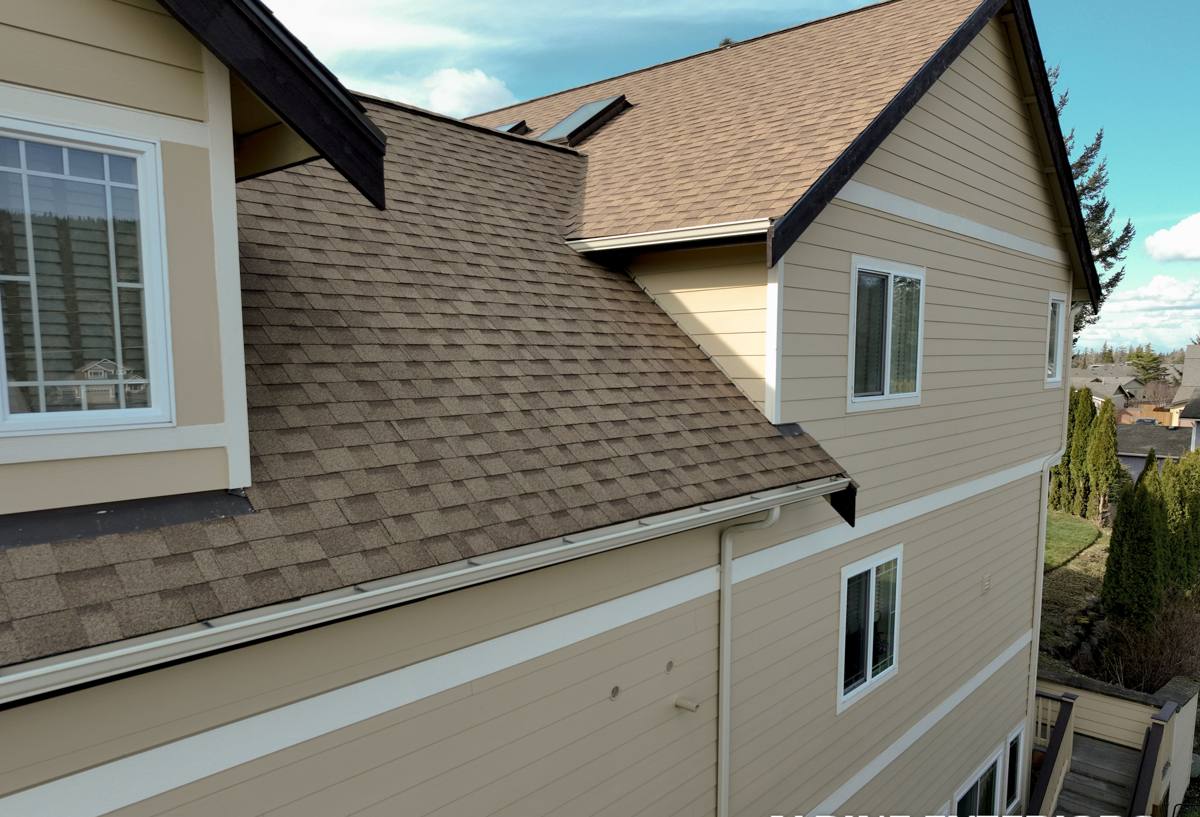
Signs Your Sunnyland Deck Needs Attention
Most deck problems don't announce themselves with a dramatic failure — they show up as small, easy-to-ignore details first. Homeowners who catch these early usually end up with a repair instead of a full rebuild.
- Boards that feel soft, spongy, or slightly bouncy when you walk across them
- Gaps between boards that have widened noticeably or edges that are starting to cup
- Rust streaks bleeding out from screw heads or nail holes
- Any visible gap or separation where the deck framing meets the house
- Railings or stair stringers that wobble or flex under normal weight
- Thick moss or algae buildup packed into board gaps rather than sitting on the surface
- A musty or damp smell coming from underneath the deck
- Discoloration or soft spots on support posts near ground contact
Any one of these on its own might be minor. Several together, especially near the ledger or support posts, usually point to a structural issue worth having looked at before it's load-bearing.
What a Correct Deck Repair Actually Involves
A repair that only replaces the boards you can see is a cosmetic fix, not a real one. A correct repair starts with the structure and works outward.
Ledger Board and Flashing
The ledger board — where the deck attaches to the house — is the single most common point of failure we find, and it's almost always a water problem, not a wood-quality problem. Driving rain pushes moisture behind poorly flashed or unflashed ledger connections, and it sits there against the house framing where nobody sees it until the deck starts to sag or pull away. Any proper repair includes checking this connection and correcting the flashing detail, not just re-bolting the board back in place.
Framing: Joists and Beams
Rot in joists and beams is often hidden under decking that still looks fine on top. We check for soft spots, delamination, and corrosion at joist hangers — hardware exposed to salt air corrodes faster than most homeowners expect, sometimes losing structural strength while still looking intact from a distance.
Decking Boards and Fasteners
Replacement boards need to match how the existing deck moves with moisture and temperature — mixing incompatible wood species or fastener types is a common shortcut that leads to cupping, splitting, or uneven wear within a season or two. We also use fasteners rated for coastal, high-moisture exposure rather than standard hardware that will streak and weaken faster here.
Railings and Stairs
Railings and stairs get evaluated for both wear and current code requirements, since older decks in established neighborhoods were often built to standards that have since changed. A repair is also the right time to correct any attachment that's undersized or improperly anchored.
Repair or Replace? A Practical Comparison
Not every deck problem calls for a full rebuild, and not every deck is worth repairing indefinitely. The table below covers the factors that actually matter when making that call.
| Factor | Repair Usually Makes Sense | Replacement Usually Makes Sense |
|---|---|---|
| Ledger and framing condition | Solid, dry, no significant rot found | Widespread rot or repeated water damage at the ledger |
| Decking surface | Isolated bad boards, rest of deck sound | Most boards cupped, splitting, or soft |
| Deck age | Under 15-20 years, built to reasonable standards | Older deck with outdated framing sizes or spacing |
| Cost outlook | Targeted repair costs a fraction of rebuilding | Repair costs start approaching rebuild costs |
| Code compliance | Railings, stairs, and spacing already meet current code | Multiple code issues would need correcting anyway |
When the structure underneath is sound, targeted repair is almost always the more cost-effective choice. When the framing itself is compromised in multiple places, patching around it usually just delays a rebuild while spending money that doesn't carry forward.
Materials That Actually Hold Up in This Climate
We're honest about trade-offs rather than pushing one product as a cure-all. Pressure-treated lumber remains a solid, economical choice for framing and is what most Sunnyland decks are already built on — it holds up well as long as flashing and drainage are handled correctly, since the wood itself isn't the weak point when water is kept out. Cedar offers natural resistance to rot and a look many homeowners prefer, but it requires more consistent maintenance and refinishing to perform well through our wet season. Composite decking reduces surface maintenance and won't splinter or cup the way wood can, but it comes with its own considerations — it still needs proper framing and airflow underneath, costs more upfront, and, like any material, performs only as well as the structure it's installed on.
For fasteners and hardware, we favor stainless steel or heavily coated, corrosion-rated products in this area specifically because of the salt content in the air. Standard hardware simply doesn't last as long here, and hardware failure is one of the more preventable causes of deck problems.
Our Deck Repair Process
- Inspection. We check the ledger connection, framing, fasteners, and decking surface — including areas that aren't visible without pulling a few boards.
- Honest diagnosis. We tell you what's actually wrong, what's cosmetic versus structural, and what the realistic options are.
- A clear repair plan. You get a straightforward scope and price before any work starts — no surprise add-ons partway through.
- The repair itself. Structural issues get addressed first — flashing, framing, hardware — before any new decking goes on.
- Protective finishing. Where appropriate, we address sealing or finishing to help the repaired area handle the next wet season.
- Final walkthrough. We go over the completed work with you so you know what was done and what to keep an eye on going forward.
Moss, Algae, and Keeping a Repaired Deck Dry
Because Sunnyland's tree cover extends the moss season well beyond what a more open, sunnier lot would deal with, a repair is a good time to think about ongoing prevention, not just the immediate fix. Board spacing and airflow underneath the deck make a real difference in how fast moisture clears after rain. Keeping gutters and downspouts directed away from deck framing — rather than draining onto or near it — prevents concentrated water exposure that speeds up rot in one spot faster than the rest of the deck. Periodic cleaning of moss and organic debris out of board gaps, rather than letting it compact and hold water, extends the life of both the decking and the fasteners underneath it. None of this is complicated, but it's the difference between a repair that lasts and one that reappears in a couple of years.
Why Hire a Crew That Already Works in Sunnyland
A lot of deck problems in this neighborhood share the same root causes — mature tree shade, older framing built before current code updates, and the coastal moisture exposure common across Whatcom County. A crew that already works in Sunnyland recognizes these patterns quickly instead of treating every deck as a blank slate, which means a more accurate diagnosis and fewer surprises once work is underway. It also means familiarity with the City of Bellingham's permitting requirements for structural deck work, so repairs are handled correctly from a code standpoint, not just a cosmetic one.
If your deck is showing any of the signs above, or you just want a straight answer about whether it needs repair or replacement, we're glad to take a look. The form below gets you a free, no-pressure estimate — no obligation, just an honest assessment of what your deck actually needs.