 Bellingham Siding
 South Hill's Climate Is Hard on Windows — Here's Why
South Hill sits up above the flats of Bellingham, which means homes here catch more of what Whatcom County weather has to offer: steady wind off the water, driving rain that comes in sideways during fall and winter storms, and a damp, shaded moss season that can stretch on for months. Add in the salt-laden air that drifts up from Bellingham Bay, and you've got a combination that wears down window frames, seals, and glazing faster than it would in a more sheltered, inland location.
Older homes on South Hill — and there are plenty of them, built well before modern window technology existed — were never designed with this kind of sustained exposure in mind. Original wood windows, aluminum-frame replacements from decades past, and even some newer vinyl units installed without the right flashing details all show the same pattern of problems: swollen sashes, fogged glass, soft wood at the sill, and drafts that show up every time the wind picks up off the water.
Custom windows done right for this neighborhood aren't just about picking a style out of a catalog. They're about matching the frame material, glazing package, and installation detail to a hillside home that takes weather from more directions than a house tucked into a valley or a more protected part of town.
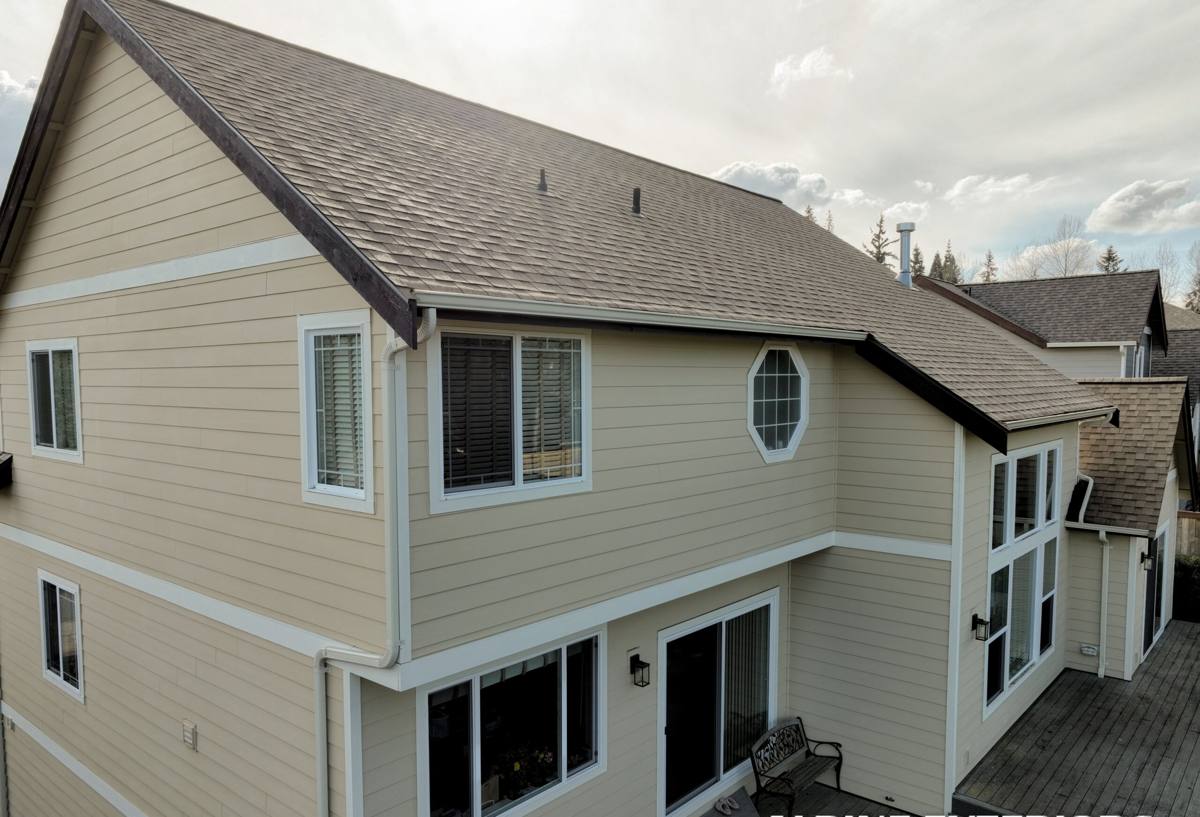
What "Correct" Actually Means for a Custom Window Job
A lot of window problems homeowners deal with aren't a defect in the window itself — they're a defect in how it was installed, or a mismatch between the window and the opening it went into. A correct custom window job addresses both.
Getting the Opening Right
Custom windows are built to the exact dimensions of your existing opening, which matters a great deal on older South Hill homes where openings have often settled, shifted slightly, or were never perfectly square to begin with. Forcing a stock-sized window into an irregular opening leaves gaps that get packed with foam or caulk and called "good enough." That approach fails in this climate — wind-driven rain finds those gaps.
Flashing and Water Management
This is the step that gets skipped most often, and it's the one that matters most in a place with this much sideways rain. Proper installation means integrating window flashing with the building's water-resistive barrier so water is directed out and away from the framing, not just caulked at the surface. Surface-level sealant alone is a maintenance item, not a water management system — it will eventually fail, and when it does, the water has nowhere to go but into the wall.
Sizing and Fit
A correctly sized custom window sits square in its opening with consistent reveal all the way around, operates smoothly without racking, and locks tight without needing to be forced. If a window needs to be slammed or wrestled shut, something in the installation wasn't right.
Problems We Commonly See on South Hill Homes
Every neighborhood has its own patterns, and South Hill's mix of older construction, hillside wind exposure, and shaded, moisture-prone lots produces a fairly consistent list of issues:
- Soft or rotting wood at the sill and lower frame corners, usually where flashing was never installed correctly the first time
- Moss and algae buildup on horizontal window trim and sills, which holds moisture against the wood far longer than it would otherwise sit
- Fogged or cloudy double-pane glass, meaning the seal between panes has failed and the insulating gas or air gap has been compromised
- Drafts and cold spots around frames during windy weather, even on windows that look fine from a distance
- Sashes that stick or won't stay open, from wood swelling with repeated moisture exposure
- Condensation on the inside of glass during colder months, a sign of an aging or poorly performing glazing package
None of these are cosmetic issues you can ignore indefinitely. Moisture that gets past a failing window doesn't stop at the frame — it moves into the wall assembly, and that's a far more expensive repair than the window itself.
Choosing Frame Material and Glass for This Climate
There's no single "best" window material for every home — it depends on the house, the budget, and how much maintenance you want to take on. Here's how the common options hold up specifically against South Hill's salt air, wind, and damp conditions:
| Frame Material | Performance in This Climate | Maintenance Trade-Off |
|---|---|---|
| Vinyl | Handles moisture and salt air well; won't rot or corrode | Low maintenance, but quality varies a lot between manufacturers |
| Fiberglass | Very stable in temperature swings and wind-driven rain; strong seal retention | Higher upfront cost, minimal upkeep |
| Wood | Classic look, good insulator, but vulnerable to the moss-season moisture cycle | Requires regular painting/sealing to prevent rot |
| Wood-clad (wood interior, metal/vinyl exterior) | Exterior shell resists weather while keeping interior wood appearance | Moderate — exterior cladding needs to be inspected where it meets the frame |
| Aluminum | Prone to condensation and thermal transfer in our cooler, damp climate; can corrode near salt air over time | We generally steer homeowners away from bare aluminum for this reason |
Glazing Matters Just as Much as Frame Material
For South Hill, we typically recommend double-pane windows with a low-E coating and argon gas fill as the baseline — it manages heat loss and condensation well for the price. Triple-pane is worth considering for homes with more direct wind exposure or street noise, though it comes at added cost and weight. Whatever the glazing package, the seal quality is what determines how long it performs — a cheap unit with a poor edge seal will fog within a few years regardless of how good the glass itself is.
Our Installation Process
We follow the same disciplined process on every custom window job, because skipping a step is exactly how the problems described above start:
- On-site assessment of existing windows, framing condition, and any signs of past water intrusion
- Precise measurement of each opening — no two are assumed to be identical, even on the same wall
- Custom window ordering to those exact dimensions, in the frame material and glazing package that fits the home and budget
- Careful removal of the old window, with inspection of the framing underneath before anything new goes in
- Repair of any soft or damaged framing discovered during removal, before the new window is set
- Installation with proper flashing integration and air-sealing, not surface caulk alone
- Interior and exterior trim finishing to match the home
- Final operation check and cleanup
If we find rot or water damage during removal — which isn't unusual on older South Hill homes — we'll walk you through it before proceeding, with straightforward options rather than surprises on the invoice.
Why It Matters to Hire a Crew That Already Works This Neighborhood
South Hill isn't a uniform building stock — it's a mix of older homes with original construction details, additions and renovations of varying quality over the years, and view lots that catch wind and rain differently depending on their orientation to the bay. A crew that regularly works this hillside knows to check for the wood rot patterns common to homes of a certain age, understands how wind direction changes the water intrusion risk on different sides of a house, and isn't guessing at flashing details for the first time on your project.
That familiarity also shows up in smaller ways: recognizing when an older home's window openings are going to need extra attention before a custom unit will fit correctly, knowing what permitting looks like in Bellingham and Whatcom County for window replacement, and understanding which materials hold up and which ones create maintenance headaches a few years down the road in this specific climate.
Protecting Your Investment After Installation
A correctly installed custom window is a long-term investment, and a small amount of regular maintenance goes a long way toward protecting it in a climate this damp:
- Rinse pollen, salt residue, and grime off glass and frames a couple times a year
- Check sills and trim for early moss or algae growth and clean it off before it holds moisture against the wood or frame
- Inspect exterior caulk lines annually and have any cracked or separated sealant redone promptly
- Keep gutters and downspouts clear so roof runoff isn't sheeting down across window trim
- Operate each window a few times through the year, even ones you don't use often, to keep hardware and weatherstripping from sticking or compressing unevenly
- Watch for condensation between panes — it's an early sign of seal failure, not something that resolves on its own
What Affects the Cost of a Custom Window Project
Every home is different, so we don't quote a flat price without seeing the job — but these are the main factors that move the number up or down:
| Factor | How It Affects Cost |
|---|---|
| Number and size of windows | More or larger openings mean more material and labor |
| Frame material chosen | Vinyl is typically the most budget-friendly; fiberglass and wood-clad cost more upfront |
| Glazing package | Triple-pane and specialty coatings add cost over standard double-pane low-E |
| Condition of existing framing | Rot repair discovered during removal adds labor and material |
| Window style | Custom shapes, larger picture windows, or specialty operating styles cost more than standard double-hung or casement |
| Access and site conditions | Hillside lots with limited access can add setup time |
If you're noticing drafts, fogged glass, sticky sashes, or soft wood around your windows, it's worth having them looked at before the next storm season rather than after. We'd be glad to come take a look at your South Hill home and put together a free, no-pressure estimate — no obligation, just an honest read on what your windows need. The form below is the easiest way to get started.