 Bellingham Siding
 Building a Deck That Actually Survives a Whatcom County Winter
Lynden sits inland from the Salish Sea but still gets the full package of Pacific Northwest weather: months of steady rain, damp air rolling in off the water, and long stretches where surfaces barely dry out between storms. A deck built here doesn't fail because the wood was bad or the contractor was lazy — it fails because it was built the way decks get built in drier climates, without accounting for how much water this region throws at a structure and how little sun it gets to dry back out.
We build and repair custom decks for homeowners throughout Lynden and the rest of Whatcom County, and the decks that last aren't the fanciest ones — they're the ones where the framing, flashing, and fasteners were chosen for this specific climate instead of a catalog spec sheet.
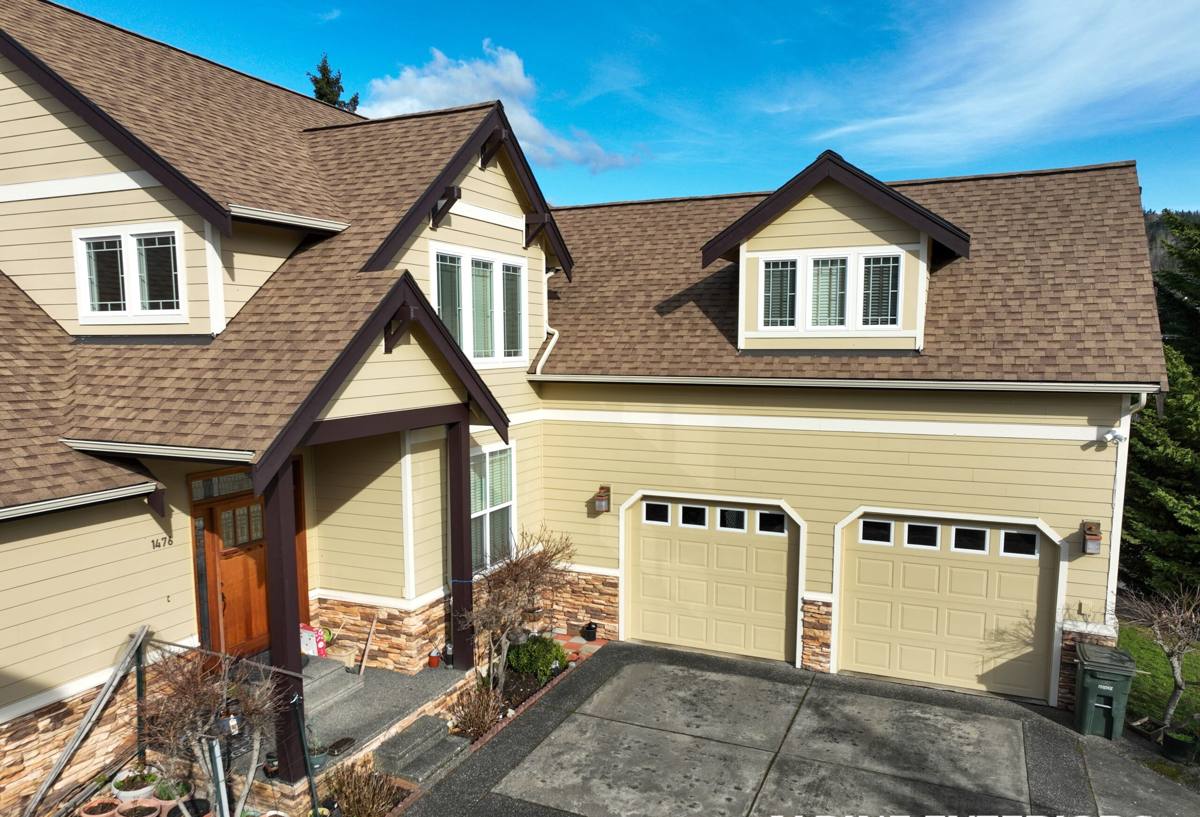
What the Local Climate Actually Does to a Deck
A few things happen to decks here that don't show up in a general "how to build a deck" article:
Moss and Algae Growth
Whatcom County's long moss season isn't just a cosmetic problem. Moss and algae hold moisture against decking boards and railings, which slows drying and accelerates rot in wood and staining on composite. North-facing decks, shaded decks under trees, and decks that don't get much direct sun stay damp far longer than homeowners expect, sometimes for days after a storm passes.
Driving Rain and Wind-Blown Moisture
Rain here often doesn't fall straight down — wind pushes it sideways under railings, behind fascia boards, and into any gap where two materials meet. That's why the connection points on a deck (ledger boards, post bases, stair stringers) matter more than the decking surface itself. Most deck failures we get called out to inspect start at a joint, not in the middle of a board.
Salt Air and Corrosion
Being close to the coast means fasteners, brackets, and hardware are exposed to a mild but constant dose of salt air. Standard zinc-coated screws and brackets corrode faster here than they would inland, which weakens connections years before the wood itself is a problem.
Freeze-Thaw Cycles
Whatcom County gets enough cold snaps to matter. Water that soaks into end grain, fastener holes, or hairline cracks can freeze and expand, opening up small problems into bigger ones over a few winters.
Framing and Footings: The Part Nobody Sees but Everyone Relies On
A deck's substructure is where corners get cut, because it's invisible once the decking goes down. For Lynden's clay-heavy and often saturated soils, footings need to be sized and set below frost depth, with proper drainage around them so water doesn't pool against the concrete. Undersized or shallow footings are one of the most common problems we find on older decks — the deck looks fine from above but has started to shift or settle underneath.
Framing lumber should be pressure-treated and rated for ground contact where it's within a few inches of soil or sits low to grade. Joist spacing matters for more than just bounce — tighter spacing under composite decking, for example, is often required by the manufacturer's warranty and matters more here because composite expands and contracts more with our temperature swings than in drier climates.
Choosing a Decking Material for This Climate
There's no single "best" decking material — the right choice depends on how much maintenance a homeowner wants to take on and how much shade and moisture exposure the deck will see.
| Material | How It Handles Our Climate | Maintenance |
|---|---|---|
| Pressure-treated wood | Affordable, workable, but needs sealing to resist moss staining and moisture absorption | Annual cleaning and re-sealing every 2-3 years |
| Cedar | Naturally more rot- and insect-resistant, ages to a gray patina if left unsealed | Occasional cleaning; sealing recommended in shaded areas |
| Composite | Resists moisture absorption and rot well, but can stay damp-looking and grow algae in shaded, low-airflow spots without regular cleaning | Periodic washing; no sealing or staining needed |
| PVC decking | Fully moisture-resistant, holds up well to driving rain and salt air; least prone to moss staining | Occasional washing; higher upfront cost |
For decks with a lot of shade — common on tree-lined lots around Lynden — we usually steer homeowners toward composite or PVC unless they specifically want the look and feel of real wood and are willing to keep up with sealing.
Where Deck Failures Actually Start: The Ledger Board
The ledger board is the piece that bolts the deck to the house, and it's the single most common failure point we see in this climate. Water gets behind an improperly flashed ledger board, soaks into the house's rim joist, and rots both the ledger and the framing behind it — sometimes for years before it's visible from outside.
A correctly built ledger connection includes flashing that directs water out and away from the house, a gap or flashing detail between the ledger and the siding so water can't wick behind it, and structural fasteners (not just nails) rated for the load and spaced to code. If we're replacing a deck attached to a house with siding we're also working on, we'll flag ledger flashing as part of the job either way — it's cheap to do right during construction and expensive to fix after the wood behind it has already rotted.
Our Custom Deck Process
- On-site assessment. We look at drainage, sun exposure, soil conditions, and how the deck will attach to the house before recommending a design.
- Design and material selection. We walk through material trade-offs honestly, including what each option will actually look like in five and ten years given local moisture and shade.
- Permitting. Most decks above a certain height or attached to the house require a permit through the local jurisdiction. We handle that process rather than leaving it to the homeowner.
- Footings and framing. Footings set to proper depth, treated framing lumber, and joist spacing matched to the decking material's requirements.
- Flashing and connections. Ledger flashing, corrosion-resistant fasteners, and post-to-footing hardware suited to our climate.
- Decking, railings, and finish work. Installed to the manufacturer's spec so warranties stay valid, with attention to drainage gaps between boards.
- Final walkthrough. We go over basic maintenance so the deck is set up to last, not just to look good on day one.
Permits and Local Requirements
Deck projects in and around Lynden typically need a building permit if the deck is attached to the house, elevated above a certain height, or includes structural changes like new footings. Requirements and setback rules vary by jurisdiction within Whatcom County, so we confirm the specifics for each property before finalizing a design rather than assuming the same rules apply everywhere. Skipping this step is one of the more common regrets homeowners run into when they hire out-of-area contractors who aren't familiar with local requirements.
Keeping a Deck Ahead of Moss Season
A well-built deck still needs upkeep in this climate. A simple annual routine goes a long way:
- Clear leaves, needles, and debris from between boards before fall rains set in — trapped debris holds moisture against the surface.
- Wash the deck surface and railings at least once a year to remove early moss and algae growth before it takes hold.
- Check and clear any drainage gaps or gutters directing water away from the deck structure.
- Inspect fasteners and hardware for rust or corrosion, especially near the coast.
- Reseal wood decking on the manufacturer's or installer's recommended schedule — don't wait until it looks dry and gray.
- Look closely at the ledger board area and any spot where the deck meets the house siding for staining or soft wood.
Why a Crew That Already Works in Lynden Makes a Difference
A deck built by a crew unfamiliar with this specific climate often looks fine for the first year or two, then starts showing problems — soft spots near the house, moss that won't stay off the surface, hardware that rusts faster than expected. We build and repair decks throughout Lynden and the surrounding Whatcom County area regularly, so we're not guessing at how much moisture a shaded north side will hold onto, or which fastener grades actually hold up this close to the coast. That experience shows up in details that aren't visible on the day the job is finished, but matter five and ten years down the road.
If you're planning a new deck or dealing with an existing one that's showing its age, we're happy to take a look and give you a straight assessment — no pressure, no upsell, just what the deck actually needs. Use the form below to request a free estimate.