 Bellingham Siding
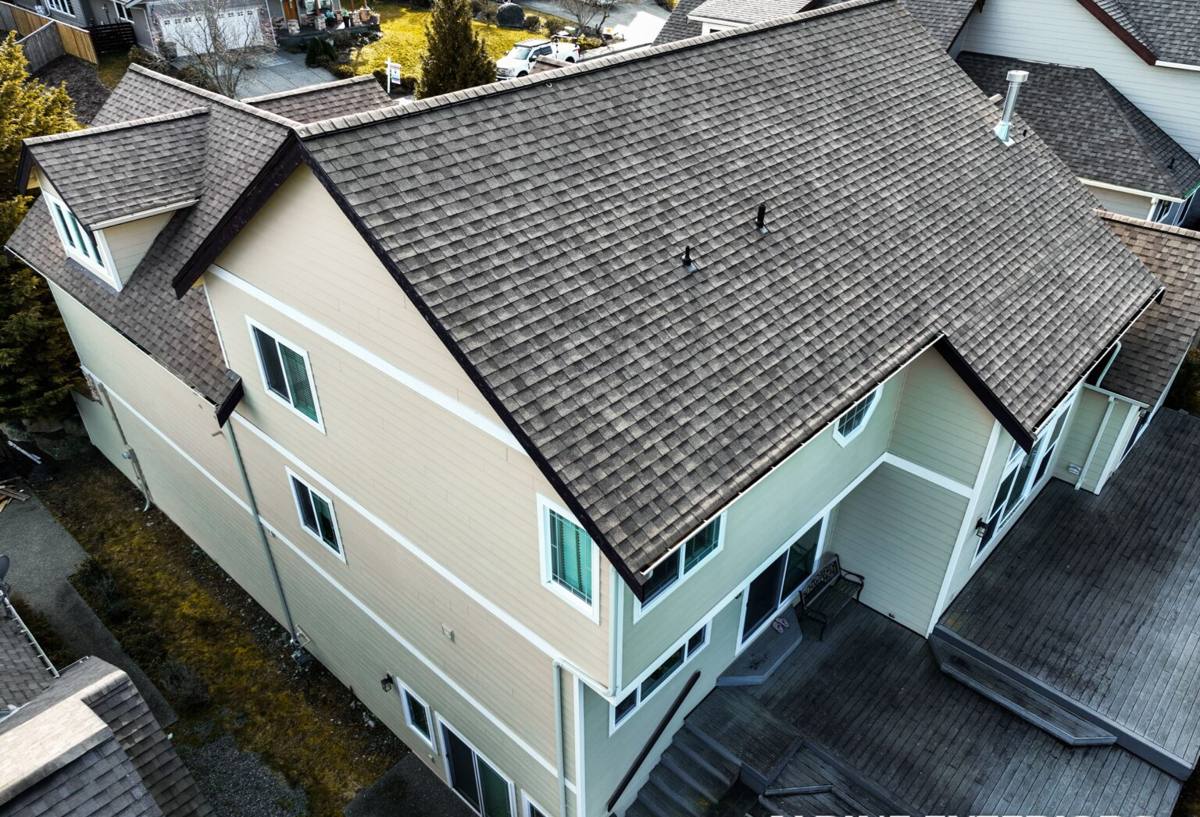
 Decks in the Columbia neighborhood take a beating that homeowners in drier climates never have to think about. Between salt-tinged air drifting in off Bellingham Bay, driving rain that finds its way into every seam and fastener hole, and a moss season that can stretch from October through May, a deck here ages differently than one in Spokane or Boise. If your deck feels soft underfoot, has dark streaking on the boards, or just doesn't look or feel as solid as it used to, it's worth understanding what's actually happening underneath before you decide what to do about it.
Why Columbia Homes Are Tough on Decks
Whatcom County's marine climate is mild, but mild doesn't mean gentle on wood and fasteners. Columbia's mix of mature tree cover and proximity to the bay means decks here deal with near-constant moisture exposure for much of the year, punctuated by short dry spells that never quite let structural lumber fully dry out. That cycle of wet-then-almost-dry is harder on wood than a climate that's simply wet all the time, because it drives the swelling and shrinking that eventually opens up joints, loosens fasteners, and cracks finishes.
Moisture Finds the Weak Points
Rain in this region rarely falls straight down. Driving rain off the bay pushes water sideways into ledger board connections, under railing posts, and into the end grain of deck boards where they meet joists — exactly the spots builders often don't seal well the first time. Once water gets into end grain or a fastener hole, it stays there far longer than surface moisture would, which is where rot usually starts.
Salt Air and Metal Fasteners
Homes closer to the water deal with a slow, steady corrosive effect on screws, joist hangers, and bolts. Standard galvanized coatings can wear thin over years of salt-laden air, and once a fastener starts rusting, it loses holding strength long before it looks obviously bad. This is a big reason we inspect hardware, not just decking boards, on every repair call in this area.
Signs Your Deck Needs Repair, Not Replacement
Most decks don't fail all at once — they give off warning signs for months or years before a board finally breaks through or a railing comes loose. Catching these early is usually the difference between a repair bill and a full rebuild.
- Boards that feel spongy, springy, or noticeably softer than the boards around them
- Visible cracking, splitting, or cupping (boards curling at the edges) on the decking surface
- Dark staining or a musty smell near ledger boards, posts, or stair stringers
- Railings or stair rails that wiggle or flex when you put weight on them
- Rust streaks running down from screws, bolts, or joist hangers
- Visible gaps opening up where the deck meets the house (a ledger board issue, not cosmetic)
- Green or black film that returns quickly after cleaning, especially in shaded corners
Any one of these on its own might be minor. Several at once, or anything involving the ledger board or main support posts, is worth a professional look before you use the deck heavily again.
What a Proper Deck Repair Actually Involves
A repair that only addresses what's visible from the top often misses the actual problem. Rotten boards are usually a symptom; the cause is almost always moisture getting somewhere it shouldn't, either through a failed seal, a bad fastener, or a design detail that traps water instead of shedding it.
Structural Framing First
Before any new decking goes down, we check the ledger board attachment, joists, beams, and posts for soft spots, cracking, or rot. This is the part of the deck that actually holds people up, and it's also the part most likely to be hidden from a casual look. Structural framing issues get fixed or reinforced before anything cosmetic is touched.
Decking Boards and Fasteners
We replace individual boards where the damage is localized rather than tearing out a whole deck surface that's still mostly sound. Fasteners get matched to the material and to this region's moisture exposure — stainless or coated fasteners rated for coastal or high-moisture use, not whatever standard-grade screw happens to be on hand.
Railings, Stairs, and Connection Points
Railing posts and stair stringers see concentrated stress and are common failure points because they're often attached with fewer, larger fasteners than the deck surface. We check post attachment to framing (not just to the surface decking, which isn't a structural connection) and rebuild any connection that's loosened or corroded.
Repair or Replace? Weighing the Factors
Not every deck problem calls for a full rebuild, and not every deck is worth saving as-is. The right call usually comes down to how much of the structure is still sound.
| Factor | Repair Usually Makes Sense | Replacement Usually Makes Sense |
|---|---|---|
| Framing condition | Ledger, joists, and posts are solid; damage is isolated | Rot or damage is widespread through the structural framing |
| Age of the deck | Under 15–20 years, built to a reasonable standard | Older deck nearing the end of its practical service life |
| Damage pattern | A handful of boards, one railing section, or one stair run | Damage scattered across most of the surface and substructure |
| Code and design | Original layout and railing heights meet current safety needs | Original build predates current code requirements for railings or stairs |
| Budget goals | Extending usable life at a lower upfront cost | Wanting a longer-term reset, possibly with different materials |
We'll walk you through where your deck actually falls on this table rather than defaulting to the more expensive answer. A lot of decks we look at in Columbia only need targeted structural and surface repair, not a teardown.
Our Deck Repair Process
1. Full Inspection
We check framing, fasteners, ledger attachment, railings, and the decking surface, probing suspect areas rather than just looking at them. This is where we find the problems a homeowner usually can't see from the top.
2. A Straightforward Repair Plan
You get a clear explanation of what's actually wrong, what needs to be fixed structurally versus cosmetically, and a plan that fits your budget and timeline — no pressure toward a bigger job than the deck needs.
3. The Repair Itself
Structural work happens first, then decking, railings, and stairs. We match materials and fasteners to what's already there where that makes sense, or recommend an upgrade where the original材料 or hardware was part of the problem.
4. Sealing and Finish Work
Any exposed wood, especially cut ends and new fastener points, gets properly sealed before finish coats go on. This is a step that's easy to rush and is often where the next round of moisture problems starts if it's skipped.
Material Choices for Long-Term Performance
Wood and composite decking each have a place, and the right choice depends on your deck's exposure and how much upkeep you want to take on.
Wood Decking
Pressure-treated lumber and cedar remain solid, cost-effective choices, but they require regular sealing or staining — realistically every one to three years in this climate — to keep moisture from re-entering the wood. Skipping that maintenance is the single biggest reason wood decks fail early here.
Composite Decking
Composite boards resist moisture absorption and don't need staining, which appeals to homeowners who want less ongoing upkeep. The trade-off is a higher upfront material cost and the fact that composite still needs a sound, well-ventilated frame underneath — it doesn't fix a moisture problem in the substructure, it just doesn't add to it.
We'll talk through both honestly, including what each one actually costs to own over time, not just to install.
Moss, Algae, and Slip Safety
Whatcom County's long wet season is exactly the kind of environment moss and algae thrive in, especially on shaded decks or ones under tree cover, which describes a lot of lots in this neighborhood. Beyond looking bad, a mossy or algae-covered deck surface gets genuinely slippery, and moss holds moisture against the board surface longer than bare wood would, accelerating the rot cycle we discussed above.
Repair work is a natural point to address this — regrading a low spot that holds water, improving airflow under the deck where possible, or switching to a decking profile that sheds water and debris better than what's there now.
Why Local Experience in Columbia Matters
A deck repair crew that regularly works in this part of Bellingham already knows what tends to fail here and why — which ledger connections take the worst of the driving rain, how fast moss comes back on a shaded north-facing deck, and which fastener grades actually hold up to the salt air near the bay. That's the difference between a repair that patches what's visible and one that fixes what's actually causing the damage. We're not guessing at Whatcom County's climate from a manual; it's what we see on job sites here every week.
Maintaining Your Deck After Repair
A good repair should buy you years, not months, but it still needs some basic upkeep to get there.
- Clean the surface at least once a year, more often in shaded or tree-covered areas prone to moss
- Re-seal or re-stain wood decking on a regular schedule rather than waiting until it looks worn
- Check railings and stair connections periodically for looseness, especially after winter storms
- Keep gutters and downspouts clear so runoff isn't dumping extra water onto or under the deck
- Address small issues — a soft board, a loose baluster — before they turn into structural repairs
If your deck in Columbia is showing any of the signs above, or you just want an honest opinion on its condition, we're happy to take a look. Reach out for a free, no-pressure estimate using the form below.