 Bellingham Siding
 Board & Batten Siding Built for Barkley's Climate
Barkley sits close enough to Bellingham Bay and the surrounding wetlands that homes here take on a specific mix of weather stress: salt-tinged air rolling in off the water, long stretches of driving rain through fall and winter, and shaded, damp corners where moss gets a foothold and doesn't let go. Board and batten siding is one of the more popular profiles in this part of Whatcom County because of its clean, vertical look and the way it reads against the neighborhood's mix of newer construction and older homes being updated. But that same profile — vertical boards with battens covering the seams — has more joints and more edges than a standard lap siding job, which means it either sheds water and holds its finish for decades, or it becomes a maintenance headache within a few wet seasons.
This page covers what board and batten siding needs to hold up in Barkley specifically, what a correct installation actually involves, and why we only install it in James Hardie fiber cement rather than the vinyl or engineered wood panel versions you'll also see marketed under the same name.
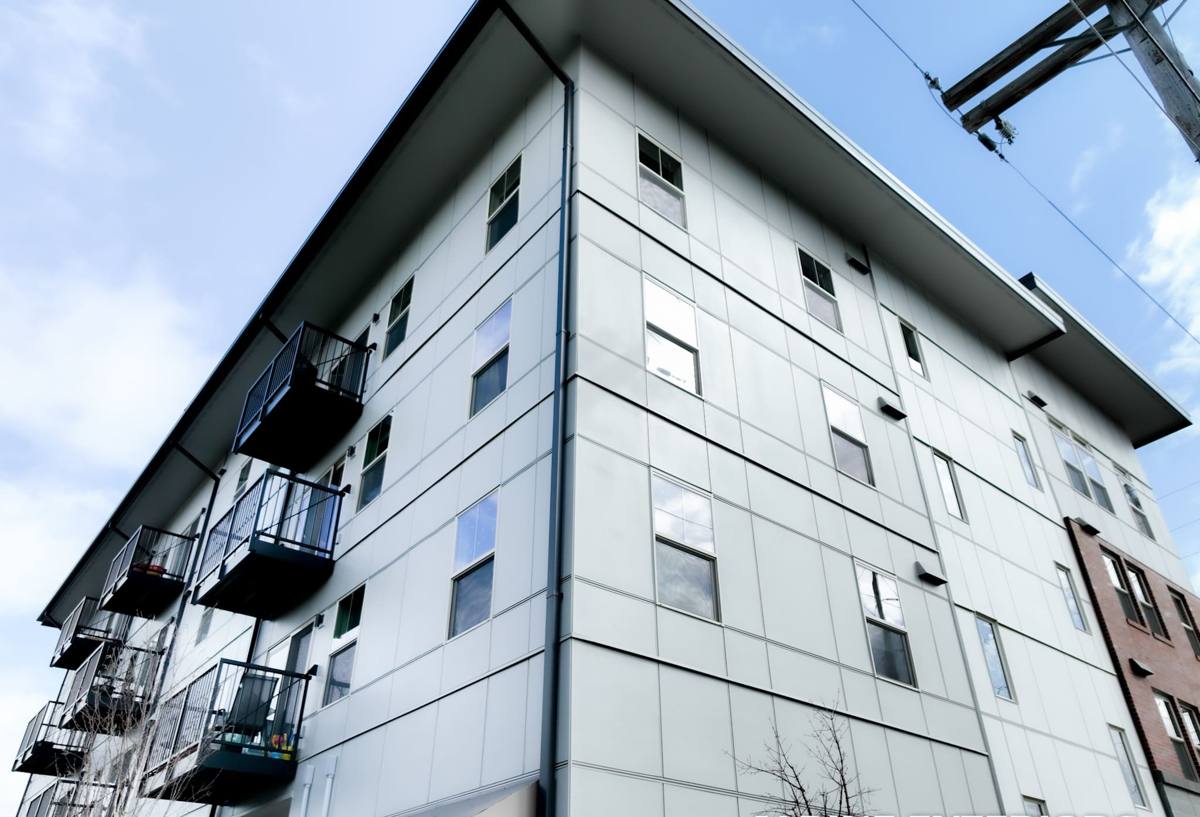
What Local Homes Need From a Board & Batten Job
Rain Volume and Direction
Whatcom County gets a long, steady rain season rather than short heavy bursts, and wind-driven rain off the bay can push moisture sideways into vertical seams that a drier climate would never test. Board and batten has more vertical joint lines than horizontal lap siding, and every one of those joints is a place water can find its way behind the cladding if the flashing and drainage plane underneath aren't done correctly.
Salt Air and Coastal Exposure
Proximity to Bellingham Bay means airborne salt is a real factor for fasteners, trim, and paint film over the life of the siding. Salt-laden air accelerates corrosion on the wrong fastener type and breaks down lesser paint and coating systems faster than they'd fail further inland.
Moss and Shaded Microclimates
Mature trees and close-set lots around Barkley create plenty of shaded, slow-to-dry wall sections. Moss and algae thrive in that combination of shade and moisture, and on a batten profile the raised battens themselves create small ledges and shadow lines where organic growth gets started if the siding material and finish aren't built to resist it.
What Correct Board & Batten Installation Involves
The Drainage Plane Comes First
Before a single board goes up, the wall needs a continuous weather-resistive barrier and, ideally, a drainage gap behind the siding so any moisture that does get past the cladding has somewhere to go instead of sitting against the sheathing. This step is invisible once the job is finished, which is exactly why it's the step that gets skipped on rushed installs.
Fastening and Batten Spacing
Boards and battens need to be fastened to solid framing, not just sheathing, with corrosion-resistant fasteners sized and spaced to the manufacturer's specification. Batten spacing has to account for the width of the boards underneath and for expansion and contraction, so panels aren't fighting each other as temperature and moisture levels shift through the year.
Flashing at Every Penetration
Windows, doors, hose bibs, light fixtures, and vents all interrupt the siding field, and each one needs proper flashing integrated with the weather barrier — not just caulk smeared around the edge. Caulk is a maintenance item that fails over time; flashing is a permanent detail that doesn't depend on anyone remembering to re-caulk it.
Bottom Clearance and Ground Contact
Board and batten siding needs proper clearance from grade, decks, roofs, and other horizontal surfaces so it isn't sitting in standing water or splashback. This is a common failure point on older installs in wetter climates like ours.
Why We Install Only James Hardie Fiber Cement
Board and batten is sold in several materials — vinyl, engineered wood panels like LP SmartSide, and fiber cement. We install James Hardie exclusively, and it's worth explaining why in plain terms rather than just stating it as a policy.
Vinyl board and batten is inexpensive and easy to install, but it's a thin plastic product that expands and contracts significantly with temperature, can warp or crack in impact, and doesn't hold paint (it's color-molded, so you're locked into the factory color for its life). In a marine climate with wide seasonal swings and salt air, that expansion behavior and the way it ages in UV exposure are real long-term trade-offs.
Engineered wood panel siding like LP SmartSide uses treated wood strand substrate, which performs well when the finish and caulking are maintained perfectly for the life of the product — but wood strand is still wood, and in a climate with this much sustained moisture and shade, any breach in the coating gives water a path into a substrate that can swell or deteriorate. That's a maintenance burden we don't think is fair to hand a homeowner in Whatcom County without saying so upfront.
James Hardie fiber cement is non-combustible, dimensionally stable in wet climates, and available in HZ5 formulations engineered for the Pacific Northwest's freeze-thaw and moisture cycles. Its ColorPlus factory finish is baked on rather than field-applied, which means better fade and moss/mildew resistance than field paint and a longer stretch before repainting is even a conversation. It's also backed by a strong transferable warranty when installed to Hardie's specifications — which is exactly why correct installation, not just correct material, is the other half of this page.
Comparing Siding Profiles for a Barkley Home
| Profile | Look | Joint Exposure | Best Fit |
|---|---|---|---|
| Board & Batten (Hardie) | Vertical, modern or farmhouse | More vertical seams, needs precise flashing | Accent walls, gables, full facades on newer or updated homes |
| Lap Siding (Hardie) | Traditional horizontal | Overlapping, naturally sheds water | Whole-home siding on most Bellingham homes |
| Vinyl Board & Batten | Similar look, lower cost | Prone to gapping with temperature swings | Budget-driven projects, shorter expected lifespan |
| Engineered Wood Panel | Similar look, warmer texture | Vulnerable if coating fails | Drier climates or well-maintained finishes |
Our Process for Board & Batten Projects in Barkley
1. On-Site Assessment
We look at wall orientation relative to prevailing wind and rain, existing moisture or moss damage, shaded sections, and how the current siding or sheathing has held up. This tells us where extra attention to flashing and drainage is warranted before we ever price the job.
2. Detailed, Written Estimate
You get a scope that spells out material, fastening approach, flashing details, and finish — not a vague square-footage number. No pressure, no rushed sales pitch.
3. Tear-Off and Substrate Check
Old siding comes off and we inspect the sheathing underneath for rot or damage before anything new goes up. Problems found here get flagged and addressed, not covered over.
4. Weather Barrier and Drainage Plane
A continuous weather-resistive barrier goes on correctly lapped, with a drainage gap where the wall assembly calls for one.
5. Board, Batten, and Trim Installation
Boards and battens go up to Hardie's fastening and spacing specifications, with flashing integrated at every window, door, and penetration as we go — not patched in afterward.
6. Final Walkthrough
We walk the finished job with you, point out what we did and why, and answer questions about care going forward.
What Drives Cost on a Board & Batten Job
| Factor | Why It Matters |
|---|---|
| Wall height and complexity | Gables, dormers, and multi-story walls take more time and staging |
| Existing substrate condition | Rot or moisture damage found at tear-off adds repair scope |
| Trim and corner detail | Board and batten uses more trim pieces than lap siding of the same square footage |
| Accent vs. full-home application | Many Barkley homes use board and batten as a gable or entry accent alongside lap siding elsewhere, which changes total scope |
| Access and site conditions | Tight lots, mature landscaping, or steep grades affect staging and labor time |
What to Check Before You Sign a Contract
- Is the weather-resistive barrier and drainage plane spelled out in writing, not just "siding install"?
- Does the estimate specify James Hardie product line, not just "fiber cement" generically?
- Are flashing details at windows, doors, and penetrations included, or treated as an add-on?
- Is the crew installing to the manufacturer's published fastening and spacing specs, which is what keeps the warranty valid?
- Does the contractor carry proper licensing and insurance for exterior work in Washington?
Why a Crew That Already Works in Barkley Matters
Board and batten siding fails, when it fails, in ways that take a season or two to show up — a joint that wasn't flashed right, a bottom edge too close to grade, moss establishing in a shaded batten line. A crew that's already worked on homes in this part of Bellingham has seen how these specific streets, tree cover, and exposure to the bay play out over time, and builds around that instead of treating every job like it's in a different climate. That's the difference between a board and batten job that looks good at handoff and one that still looks good in ten years.
If you're weighing board and batten siding for a Barkley home, we're happy to walk the property, talk through what your specific walls need, and give you a straightforward, no-pressure estimate. There's a form below — reach out and we'll get you scheduled.