 Bellingham Siding
 Window Installation in Barkley
Barkley sits close enough to the water and to the wooded slopes around Bellingham that its homes take on both sides of Whatcom County's weather: salt-laden air rolling in off Bellingham Bay and the damp, shaded moisture that builds up under tree cover through the long moss season. Windows in this part of town do double duty, holding back wind-driven rain for months at a stretch while fighting the slow corrosion that salt air causes on hardware, frames, and fasteners. When a window installation is done right here, it accounts for both. When it's done as a generic, anywhere-in-America job, the homeowner usually finds out within a few winters.
We install windows in Barkley regularly enough to know which details actually matter on these lots and which ones are just upsells. This page covers what a correct window installation looks like for this neighborhood, what goes wrong when it's skipped, and how our process works from first look to final walkthrough.
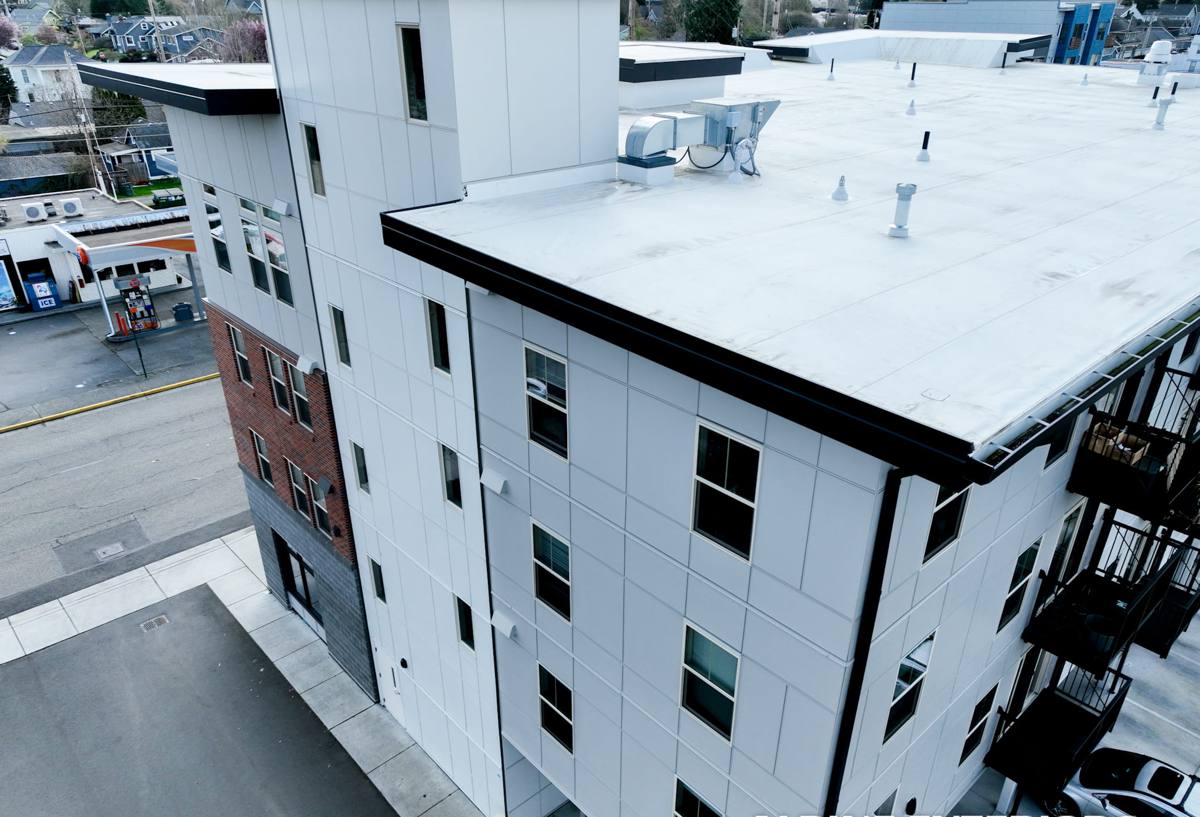
What Bellingham's Climate Does to Windows
Salt Air and Hardware
Homes closer to the bay deal with airborne salt that settles on window hardware, screen frames, and exposed fasteners. Over years, untreated or low-grade hardware pits and corrodes, hinges on casement and awning windows stiffen up, and finishes on lower-end aluminum frames chalk and dull faster than the same product would inland. This isn't a defect specific to any one brand — it's just what salt air does to metal that isn't specified for it.
Driving Rain
Whatcom County storms don't just drop rain straight down; wind pushes it sideways into wall assemblies, and window openings are where that wind-driven rain finds its way in if the flashing and sealant details aren't right. A window can be perfectly good and still leak if it was installed without proper head flashing, sill pans, or a correctly lapped weather-resistive barrier around the rough opening.
Moss Season and Prolonged Dampness
Shaded and tree-lined lots in and around Barkley stay damp longer than open, sunny sites. That extended moisture window is exactly what moss, algae, and wood rot need to get established — on siding, on trim, and on window sills and jambs if wood components aren't sealed and detailed correctly. A window install that ignores this reality is setting up a maintenance problem a few years down the road, not right away, which is why it's easy for a rushed or inexperienced crew to get away with cutting corners.
Signs a Barkley Home Needs Window Attention
- Fogging or a visible haze between the panes of a double-pane window (seal failure, not cleanable)
- Soft or discolored wood at the sill or lower corners of the frame
- Windows that are hard to open, close, or lock — often a sign the frame has racked or swollen
- Visible gaps, cracked caulking, or daylight around the frame from inside
- Drafts near the window even with it fully closed and locked
- Moss or dark streaking building up on the sill, trim, or the wall just below the window
- Noticeably higher heating bills without another clear cause
Any one of these on its own might just mean a caulking touch-up or a hardware adjustment. Several together, especially on a window more than 15-20 years old, usually means it's time to talk about replacement rather than repair.
What a Correct Window Installation Involves
The window itself is only part of the job. Most leaks and premature failures we see trace back to installation shortcuts, not a bad product. A correct installation in this climate includes:
Opening Prep and Flashing
The rough opening gets inspected for existing damage before anything new goes in — there's no point sealing a new window into a sill that's already rotting. Proper flashing sequence (sill pan first, then side flashing, then head flashing, integrated with the weather-resistive barrier) directs any water that gets past the window itself back out, not into the wall cavity.
Sealing and Insulation
Low-expansion foam or backer rod and sealant around the frame, sized and applied correctly, both air-seals the opening and lets the window move slightly with temperature changes without cracking the seal. Over-filling with high-expansion foam can bow a frame; under-sealing leaves gaps that draft and eventually let moisture in.
Hardware and Materials Suited to the Coastal Climate
We select cladding, hardware, and fastener materials with the salt-air exposure in mind rather than defaulting to whatever's cheapest. That's a judgment call based on the home's proximity to the water and sun/shade exposure, not a one-size-fits-all rule.
Interior and Exterior Trim Detailing
Exterior trim gets back-primed and sealed on all sides before installation, not just face-painted afterward. Interior trim and sill details get finished so condensation (common in our humid winters) doesn't sit against bare wood.
Window Types and Materials: What Fits a Barkley Home
| Material | How it handles our climate | Maintenance |
|---|---|---|
| Vinyl | Good moisture resistance, no corrosion risk from salt air; performance varies a lot by manufacturer quality | Low — occasional cleaning |
| Fiberglass | Very stable in temperature and moisture swings, holds up well near the coast | Low |
| Aluminum | Strong but conducts cold and can corrode over time in salt air unless properly finished | Moderate — watch hardware and finish over years |
| Wood (clad or unclad) | Best look for many homeowners; unclad wood is the most exposed to our damp, mossy conditions | Higher — regular painting/sealing needed, especially unclad |
| Wood-clad (vinyl or fiberglass exterior) | Wood interior warmth with a weather-facing shell suited to driving rain and moisture | Low-moderate |
There's no single "best" material for every Barkley home — it depends on sun exposure, proximity to the bay, the home's style, and budget. We'll walk through the real trade-offs for your specific house rather than pushing one product line.
Our Window Installation Process
- On-site assessment — we look at existing windows, framing condition, sun/shade exposure, and any signs of past water intrusion before recommending anything.
- Honest scope and estimate — a written estimate that spells out materials, the flashing and sealing approach, and timeline, with no pressure to decide on the spot.
- Ordering and scheduling — windows are ordered to the exact opening sizes; we schedule around weather windows where possible to keep openings protected during the swap.
- Removal and opening inspection — old windows come out carefully so we can actually see the condition of the framing and sill before closing it back up.
- Installation with full flashing and sealing detail — sill pan, flashing, insulation, and sealant done in the correct order, not shortcuts to save an hour.
- Interior and exterior finish work — trim, caulking, and touch-up so the job looks finished, not just functional.
- Walkthrough — we go over operation, locking, and basic care with you before calling the job done.
What Affects the Cost
| Factor | Why it matters |
|---|---|
| Window material and brand | Vinyl, fiberglass, aluminum, and wood-clad options span a wide price range |
| Number and size of openings | Larger or custom-sized windows cost more than standard sizes |
| Condition of existing framing | Rot or water damage found during removal adds repair work before the new window can go in |
| Full-frame vs. insert replacement | Full-frame replacement (removing down to the studs) costs more but is often the right call on older homes with framing issues |
| Access and site conditions | Second-story windows, tight lots, or landscaping obstacles can add labor time |
We'd rather walk your specific windows and give you real numbers than quote a broad range that doesn't mean much for your house.
Why Hire a Crew That Already Works in Barkley
A contractor who works this neighborhood regularly has already seen how the local mix of tree cover, bay-adjacent air, and driving winter storms plays out on real houses — which sills fail first, which exposures need extra attention, and which materials hold up versus which ones look fine on the showroom floor but struggle here. That's not something you get from a crew passing through Whatcom County once a year. It also means we're reachable if a question comes up after the install, not a phone number that stops answering once the invoice is paid.
Before hiring anyone for window work in Barkley, it's worth checking a few basics:
- Current WA state contractor license and liability insurance, verifiable on request
- A written estimate that specifies flashing and sealing methods, not just "new windows installed"
- Manufacturer-backed product warranty plus a clear installation warranty from the contractor
- Willingness to explain material trade-offs rather than pushing one product
- Local references or a track record of jobs in the Bellingham area
If your Barkley home has windows showing their age, or you're planning ahead of the next wet season, we're happy to take a look and put together a free, no-pressure estimate — just fill out the form below.