 Bellingham Siding
 Roof Replacement in Sehome: Built for What This Neighborhood Actually Deals With
Sehome sits close enough to Bellingham Bay to catch salt-laden air, high enough on its hillside streets to take wind and driving rain straight on, and shaded enough by mature trees in spots to grow moss faster than almost any roof surface likes. That combination is common across Whatcom County, but it hits differently depending on a home's age, roof pitch, and how much tree cover surrounds it. A roof replacement done right for a Sehome home isn't the same job as one done for a flat, sun-exposed lot on the other side of town — the materials, ventilation, and detailing all need to answer to the same three things: salt, rain, and moss.
This page is about that one job, done for this one neighborhood. Not a general roofing pitch — an honest look at what a full roof replacement should involve here, what tends to go wrong when it's rushed, and what to look for in the crew you hire.
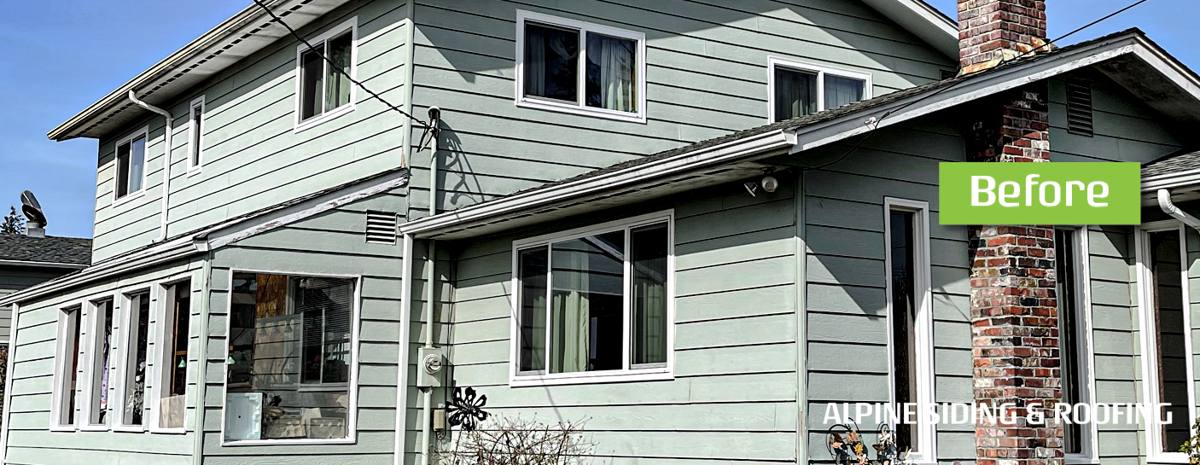
Why Sehome Roofs Wear Out the Way They Do
Salt Air and Metal Fatigue
Homes within a few miles of Bellingham Bay deal with airborne salt that accelerates corrosion on exposed metal — flashing, fasteners, gutter hangers, and any exposed nail heads. On an older roof, this shows up as rust streaking, pitted metal edges, and fasteners that back out or fail years before the shingles around them are actually worn out. Replacement is the right time to upgrade every piece of exposed metal to something rated for coastal exposure, not just match what was there before.
Driving Rain and Wind-Driven Water
Bellingham's rain rarely falls straight down. Wind off the water pushes it sideways, which means water finds its way under shingle edges, around chimneys, and into valleys that a calmer climate could get away with detailing more loosely. A roof built for occasional light rain in a drier region and installed here the same way will leak — usually at the same three or four spots every time: valleys, sidewall flashing, and low-slope transitions.
The Long Moss Season
Cooler, damp weather stretches the moss-growing season across most of the fall through spring here, and shaded lots or north-facing slopes barely get a break in summer either. Moss holds moisture against the roof surface, works into shingle tabs, and lifts edges enough for wind and rain to get underneath. Once it's established, moss shortens the life of almost any roofing material faster than sun exposure or age alone would.
Signs a Sehome Home Needs Replacement, Not Another Repair
Repair makes sense when the damage is isolated and the rest of the roof still has years left. Replacement becomes the honest answer once the underlying materials — not just the surface — are compromised. Common signs we look for on inspection:
- Granule loss heavy enough that shingle color looks patchy or the mat beneath is visible
- Moss or algae staining across large sections rather than isolated spots
- Soft or spongy decking felt underfoot during inspection, especially near valleys and eaves
- Repeated leaks in different locations after past patch repairs
- Curling, cracking, or missing shingles concentrated on the side that takes the most wind and rain
- Rusted or failing flashing around chimneys, vents, and skylights
- A roof already past 20–25 years old, regardless of how it looks from the ground
What a Correct Roof Replacement Actually Involves
Full Tear-Off, Not Overlay
Layering new shingles over old ones hides problems instead of fixing them — trapped moisture, soft decking, and failed flashing all stay buried under a new surface. A proper replacement strips the roof to the deck so every layer underneath can actually be inspected and corrected.
Decking Repair
Any decking that's soft, delaminated, or water-stained gets replaced before anything new goes down. Skipping this step is one of the most common corners cut in a rushed job, and it's invisible once the new roof is on — until it isn't.
Underlayment Suited to the Climate
Given how much wind-driven rain this area sees, we treat synthetic or ice-and-water shield underlayment at vulnerable areas — eaves, valleys, and low-slope sections — as standard, not upgrade. It's the layer that protects the home if wind ever gets under a shingle tab.
Flashing and Metal Upgrades
All flashing at chimneys, walls, valleys, and penetrations gets replaced with corrosion-resistant material suited to salt-air exposure, properly stepped and sealed rather than just caulked over.
Ventilation
A roof that can't breathe traps moisture in the attic, which speeds up decking rot and can encourage moss growth from the inside out. Balanced intake and exhaust ventilation is part of a correct replacement, not an afterthought.
Material Options for This Climate
There's no single "best" roofing material — the right choice depends on the home's roof pitch, budget, and how much moss and moisture exposure the specific lot deals with. Here's how the common options stack up for a Sehome home specifically:
| Material | Moss Resistance | Coastal/Salt Durability | Typical Lifespan |
|---|---|---|---|
| Architectural asphalt shingle | Good with algae-resistant granules | Solid with proper metal detailing | 25–30 years |
| Standard 3-tab shingle | Fair — wears faster in shaded, damp areas | Adequate | 15–20 years |
| Metal roofing (standing seam) | Excellent — moss struggles to hold on smooth metal | Very good with coastal-rated coatings | 40–50+ years |
| Cedar shake | Poor without diligent maintenance | Fair — needs regular treatment near salt air | 20–30 years with upkeep |
For most homes in this neighborhood, a quality architectural shingle with algae-resistant granules hits the right balance of cost, appearance, and moss resistance. Metal is worth serious consideration on steeper roofs or homes with heavy shade, since moss has a much harder time gripping a smooth metal surface long-term.
A Note on Cedar Shake
Cedar has real appeal and a long history in this region, but it's an honest trade-off: it needs regular cleaning and treatment to resist moss and rot in a climate this damp, and skipping that maintenance shortens its life considerably. We'll install it if that's what a homeowner wants, but we make sure the maintenance commitment is clear upfront rather than a surprise later.
Our Replacement Process
- On-site inspection — we walk the roof and attic, not just look from the driveway, to check decking, ventilation, and flashing condition
- Written estimate — a clear breakdown of materials, scope, and cost, with no vague allowances
- Tear-off and deck inspection — full removal, with any compromised decking flagged and replaced
- Underlayment and flashing installation — climate-appropriate materials at every vulnerable point
- Roofing material installation — installed to manufacturer spec, which is also what keeps the material warranty valid
- Ventilation check — confirming intake and exhaust are balanced for the attic size
- Final walkthrough and cleanup — magnetic sweep for nails, hauling debris, and a final inspection with the homeowner
Why Hiring a Crew That Already Works Sehome Matters
Sehome's mix of older homes and newer construction, hillside lots, and mature tree cover means access and staging aren't always straightforward — narrow driveways, sloped yards, and tree-adjacent roof sections all affect how a crew stages equipment and protects landscaping during tear-off. A crew that's worked this neighborhood before knows to plan for that instead of figuring it out on the day of the job.
Local experience also means knowing which detailing decisions actually matter here — where to prioritize ice-and-water shield, how much ventilation an older attic really needs, and which flashing upgrades are worth the cost given the salt air. Bellingham and Whatcom County also have their own permitting requirements for roof replacement; a local crew handles that as a matter of course rather than treating it as an extra step.
What to Ask Before You Hire
- Is this a full tear-off, and will decking be inspected and repaired as needed — not just quoted as an add-on later?
- What underlayment is being used at eaves and valleys, and why?
- Are flashing and exposed metal being replaced, or reused from the old roof?
- Is ventilation being evaluated as part of the job, not assumed to be fine?
- Is the estimate a firm written scope, or a rough verbal number?
- Does the contractor pull the required local permit themselves?
- What's the manufacturer's warranty, and does it require certified installation to stay valid?
What Affects the Cost
Every roof is priced on its own specifics, but the main factors that move the number are consistent: roof size and pitch, how much of the decking needs replacing, material choice, the amount of flashing and detail work at valleys and penetrations, and access difficulty on the lot. A steep, tree-shaded roof with rotted decking will always cost more to do right than a simple, accessible one — and a fair estimate should explain exactly why, not just hand over a total.
If your roof in Sehome is showing its age or you're just not sure whether it needs repair or full replacement, we're happy to take a look and give you a straight answer — no pressure, no upsell, just what the roof actually needs. Use the form below to request a free estimate.