 Bellingham Siding
 Board & Batten Siding Built for Birchwood's Climate
Birchwood homeowners deal with a specific combination of weather that's harder on siding than most people realize. Bellingham sits on the water, which means salt-laden air moving inland, long stretches of driving rain off the Sound, and a moss season that can run from fall through late spring. Add in the shade from mature Pacific Northwest trees that many Birchwood lots have, and you get siding conditions that punish anything not built and installed specifically for sustained moisture exposure.
Board and batten is a popular look in this neighborhood — the vertical lines read as clean and modern on newer builds, and they also suit the craftsman and farmhouse-style homes common throughout Whatcom County. But the same vertical seams and batten strips that make the style attractive also create more joints, more fastener penetrations, and more edges where water can get behind the cladding if the install isn't done right. In a climate like Bellingham's, that's not a minor detail — it's the difference between siding that looks good for decades and siding that's rotting or delaminating behind the battens in under ten years.
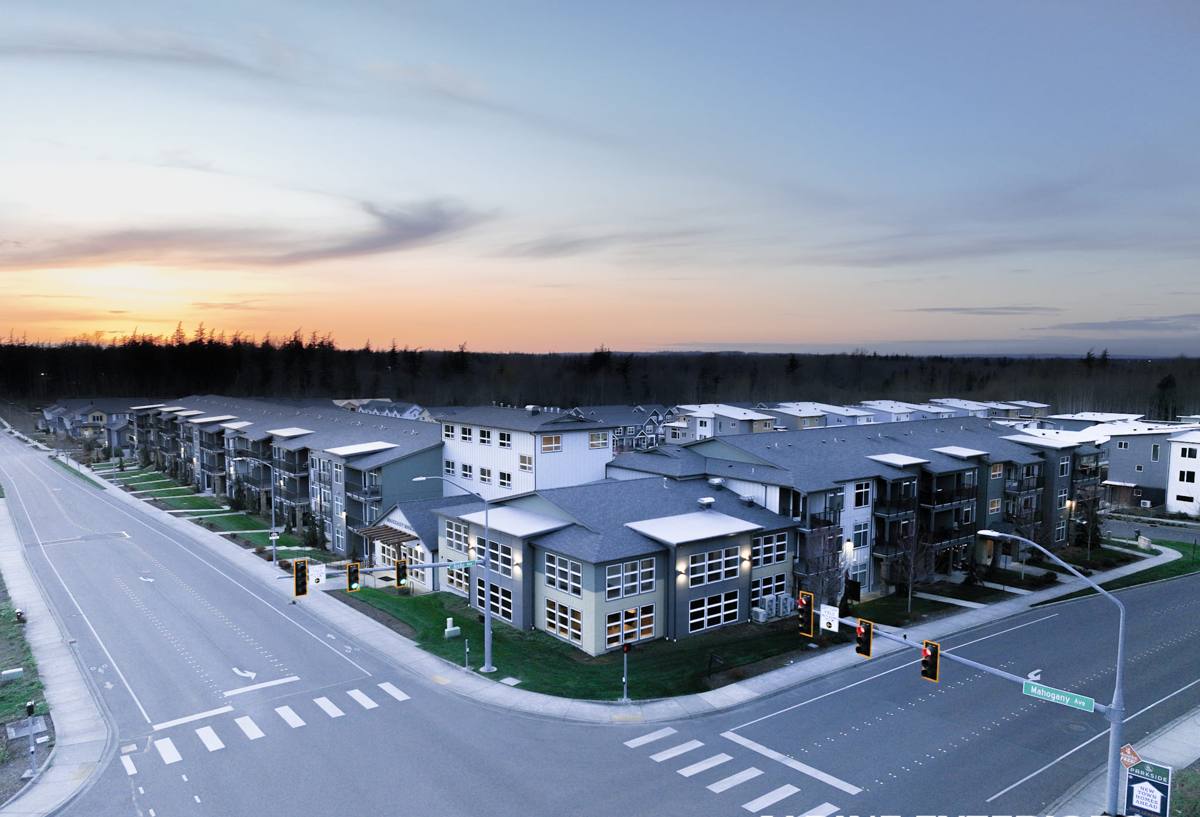
What Board & Batten Siding Actually Is
Board and batten is a vertical siding pattern made up of wide flat panels or boards, with narrower strips (the battens) covering the seams between them. It's one of the oldest siding styles in North American building, originally developed as a practical way to keep water out of gaps in vertical wood planking. Done correctly, it still does exactly that — but "done correctly" is doing a lot of work in that sentence.
Why the Vertical Pattern Matters in a Wet Climate
Vertical siding sheds water differently than horizontal lap siding. There's no overlap doing the heavy lifting the way there is with lap boards — instead, the battens and the water-resistive barrier behind the panels are what keep moisture out. That means the assembly behind the siding (the house wrap, flashing, and drainage plane) has to be right, because the visible boards alone aren't enough to protect the wall in a region that sees Bellingham's rainfall totals.
What a Correct Board & Batten Install Requires Here
We treat every board and batten job in Birchwood as a moisture-management project first and a cosmetic upgrade second. The look only holds up long-term if the details underneath are handled properly.
Rainscreen Gap
We install a drainage gap behind the panels rather than fastening siding directly to the wall. This lets any water that does get past the outer layer drain and dry out instead of sitting against the sheathing — critical in a climate where walls rarely get a long dry stretch to recover.
Flashing at Every Penetration
Windows, doors, hose bibs, light fixtures, vents — every penetration through board and batten siding is a potential entry point for water. Each one gets proper flashing and sealant detailing, not just caulk smeared over the gap.
Fastening Pattern and Panel Spacing
Fiber cement panels expand and contract slightly with temperature and moisture. Fasteners and gaps have to be spaced to manufacturer spec so panels aren't fighting against themselves over the life of the siding — a common cause of cracking and popped nails on jobs that were rushed.
Batten Placement Over Seams
Battens need to fully cover panel joints with correct overlap, and be fastened into structural framing wherever possible, not just into the panel itself.
Why We Install James Hardie Board & Batten and Nothing Else
We only install James Hardie fiber cement siding — no vinyl, no LP SmartSide, no primed spruce, no raw cedar board and batten. That's a deliberate standard, not a limitation, and it matters most in a climate like Birchwood's.
Cedar board and batten looks beautiful when it's new, but it's an organic material in a region with a long moss season and near-constant moisture exposure. It needs ongoing sealing, staining, and vigilance against rot, and even well-maintained cedar has a finite lifespan against sustained PNW dampness. Primed spruce and engineered wood products carry similar moisture vulnerabilities — the factory primer or coating is a maintenance head start, not a permanent shield, and any breach lets water into the wood substrate. Vinyl board and batten avoids the rot issue but is a thin, flexible material that can warp, fade, and crack in temperature swings, and it doesn't hold paint or take repair well if damaged.
James Hardie fiber cement is engineered specifically to resist moisture intrusion, doesn't support rot or moss growth the way wood does, and holds its factory-baked ColorPlus finish for years without repainting. It's non-combustible, which matters as wildfire smoke seasons have become a more regular part of Pacific Northwest summers, and it comes in HZ5 climate-engineered formulations built for exactly the wet, marine-adjacent conditions Bellingham sees. When we stand behind board and batten siding in Birchwood, we're standing behind a product built to actually survive the climate it's going into.
Our Process, Start to Finish
- On-site assessment: We look at your home's exposure, existing siding condition, moisture damage if any, and how sun, shade, and prevailing wind hit each wall.
- Design and material plan: We help you choose panel width, batten spacing, and Hardie color/finish that fits the home and neighborhood.
- Tear-off and inspection: Removing old siding lets us check the sheathing and framing underneath for hidden rot or moisture damage before anything new goes up.
- Water-resistive barrier and rainscreen install: This is the layer that does the real waterproofing work — we don't skip or shortcut it.
- Panel and batten installation: Installed to James Hardie's fastening and spacing specifications, not general guesswork.
- Flashing, trim, and final detailing: Every window, door, and penetration gets sealed and flashed properly.
- Final walkthrough: We go over the finished job with you before calling it done.
Cost Factors for Board & Batten in Birchwood
Every home is different, so we won't quote a number without seeing your house — but these are the main factors that move the price up or down on a board and batten project in this area:
| Factor | Why It Matters |
|---|---|
| Home size and wall complexity | More corners, dormers, and cutouts mean more cutting, flashing, and labor time |
| Existing siding removal | Tear-off of old cedar, vinyl, or damaged material adds time versus a clean substrate |
| Sheathing or framing repair | Hidden rot found during tear-off has to be fixed before new siding goes on |
| Panel width and batten spacing chosen | Narrower spacing means more material and more labor per square foot |
| Trim and color package | Custom trim details and premium ColorPlus finishes add to material cost |
| Access and site conditions | Sloped lots, tight setbacks, or landscaping can affect scaffolding and staging |
Living With Board & Batten Siding in a Moss-Prone Climate
Even the right siding material needs a little seasonal attention in Whatcom County. James Hardie board and batten is low-maintenance compared to wood, but "low-maintenance" doesn't mean "zero-maintenance" anywhere near the water. We recommend homeowners do a simple annual check:
- Rinse siding gently once or twice a year to clear salt residue and organic buildup, especially on shaded or north-facing walls where moss takes hold fastest
- Check caulking around windows, doors, and penetrations for cracking or gaps
- Keep gutters clear so overflow isn't running down the siding face
- Trim back vegetation and tree limbs that keep a wall damp and shaded longer than the rest of the house
- Look for any hairline cracks at panel corners or batten edges after storms and have them checked before winter
- Avoid pressure washing directly at joints and seams — a garden hose and soft brush are enough
None of this is heavy work, but skipping it is how moss gets a foothold on shaded walls and how small caulking gaps turn into real moisture problems over a few wet seasons.
Why Hiring a Crew That Already Works in Birchwood Matters
Board and batten installation isn't forgiving of guesswork, and a crew that hasn't worked much in this specific stretch of Whatcom County can miss the details that matter here — how much rainscreen gap is enough for this rainfall pattern, which walls need extra flashing attention because of shade and moss exposure, how salt air changes fastener and sealant choices over time. We work on homes in and around Birchwood regularly, which means we're not learning the local climate on your project. We know what these walls are up against before we ever pull a panel off the truck.
What to Ask Before You Hire Anyone for Board & Batten
- Do you install a rainscreen/drainage gap behind the panels, or fasten siding directly to the wall?
- What material are you installing, and why do you use it in this climate specifically?
- Will you inspect the sheathing for existing moisture damage during tear-off?
- How do you flash windows, doors, and other penetrations?
- What warranty comes with the material, and what comes with your labor?
- Can you walk me through your fastening and batten-spacing approach before work starts?
If a contractor can't answer these clearly, that's worth noticing before they're on your roofline.
If you're weighing board and batten for a home in Birchwood, we're happy to take a look and give you an honest, no-pressure estimate — including what we'd do differently if your walls need more than just new siding. Use the form below to get started.